Commercial Wind Damage Roof Repair in College Station, TX
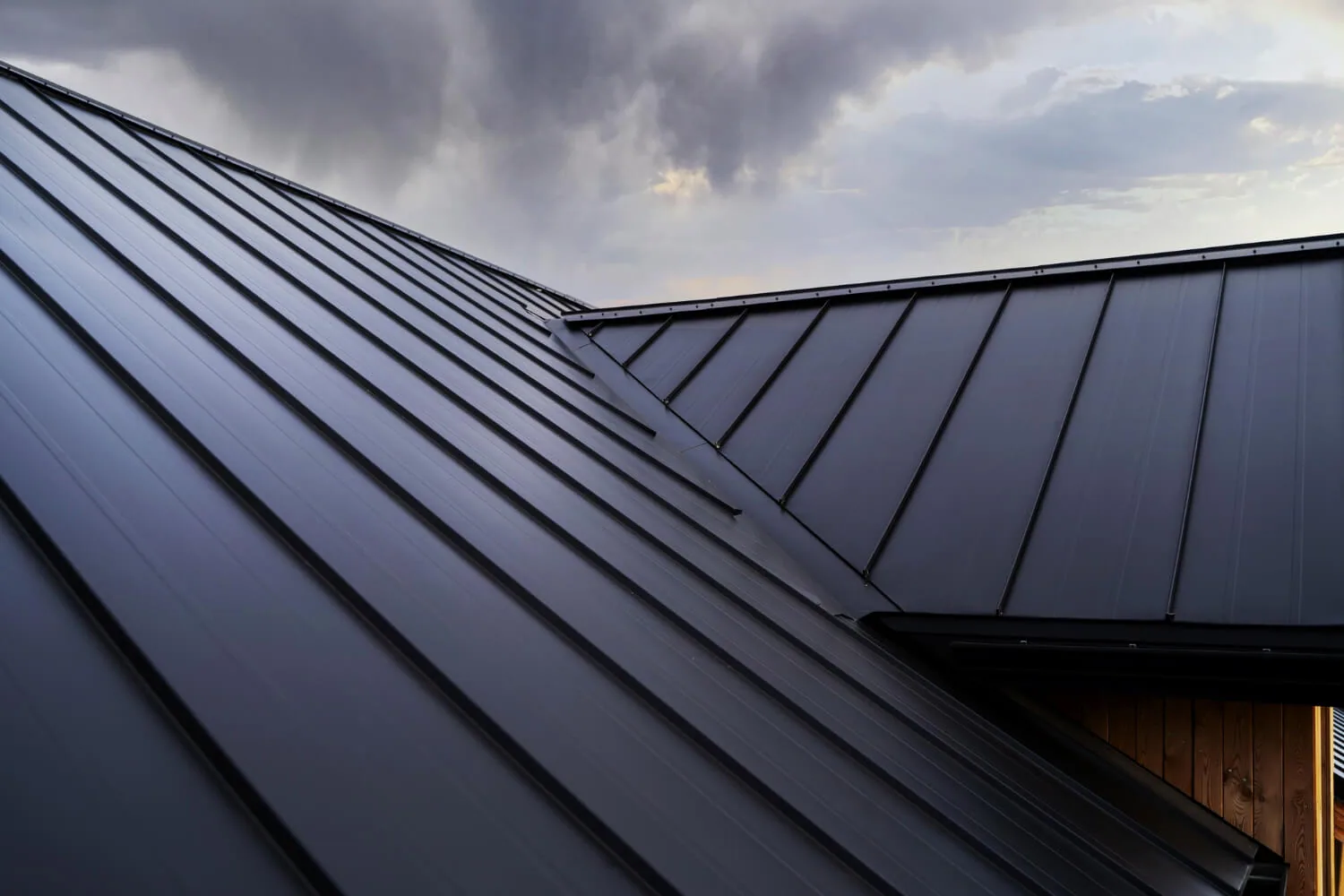
Commercial Wind Damage Roof Repair
Wind damage can start at a perimeter edge, ridge, curb, or loose panel and extend into areas that are not visible from the ground. A commercial roof review begins with access control and a safe survey, then records displaced materials, open seams, lifted flashing, debris impact, and any interior reports. The repair scope marks each roof zone and distinguishes storm observations from pre-existing wear. In Bryan and College Station, a mix of research, health-science, office, manufacturing, retail, and rail-served industrial properties means the inspection must account for equipment access and building operations.
College Station experienced a June 2023 severe thunderstorm with an 85 mph gust, according to the National Weather Service. That regional event supports a timely inspection, but only current field evidence establishes the condition of a specific roof. A commercial roof inspection can create the baseline before repairs are authorized.

Make the Roof Safe Before Tracing the Entry Point
After a strong-wind report, the first decision is whether crews can access the roof safely. We check current weather, ladder and hatch conditions, loose metal, unstable debris, and any energized equipment or damaged skylight. If a section cannot be entered safely, the report identifies the boundary and the access needed for a return visit. Temporary protection is installed only where the surface and conditions allow it to be secured without creating another hazard.
Inside, the building contact can identify active leaks, ceiling changes, equipment interruptions, and areas where occupants need protection. Those locations are recorded separately from the likely exterior opening. Wind can drive water horizontally under a flashing or move it along a roof assembly, so an interior stain alone does not identify the entry point. A emergency roof response can prioritize active water entry and safe temporary dry-in while the full scope is prepared.
Map Perimeter and Corner Conditions
Wind pressure varies across a roof, with perimeter and corner details often needing a closer look than the center of the field. We inspect edge metal, coping, fascia, terminations, roof-to-wall transitions, and fasteners for movement or separation. On a membrane roof, the survey notes exposed attachment, lifted seams, displaced ballast, and damage around rooftop equipment. On a metal roof, it records loose trim, panel movement, missing screws, and openings at laps. The report ties each condition to the roof plan rather than listing a general roof-wide conclusion.
Weather history gives context for a survey but does not replace the property record. We compare dated maintenance photos, prior repair notes, and any inspection made before the event. If a condition appears new, the report states what changed and what cannot be determined from the available evidence. A storm damage assessment can organize those observations by date and location for the asset file.
Trace Water Through Flashings and Drains
Wind-driven rain can reach a roof opening even when ordinary rainfall would drain away from it. We check laps, curb corners, pipe boots, wall transitions, scuppers, and overflow paths, then trace how water could travel from the exterior condition toward the interior report. A blocked outlet and a lifted flashing may need separate work items. The repair map distinguishes temporary protection, permanent detail restoration, and drainage maintenance so the owner can review each cost.
Rooftop equipment and later service work can change how wind and water reach a detail. We record equipment access paths, damaged walk pads, conduit supports, and penetrations added after the original roof installation. A drain and scupper review can confirm outlet conditions, while a curb and support assessment can identify trade coordination needed to restore the flashing.
Match the Repair to the Roof Assembly
A lasting repair depends on the roof system beneath the damaged surface. Membrane patches need compatible material and sound, prepared edges. Metal repairs need a detail that accommodates panel movement and does not rely on a short bead of sealant. Built-up or modified-bitumen repairs may require removal of wet or loose surfacing before new plies can be installed. We identify the assembly where records or inspection allow and state when a concealed layer remains unverified.
Small, isolated failures may support localized repair when nearby attachment and substrate remain sound. Repeated movement, widespread wet insulation, damaged deck, or many failed perimeter details can change the recommendation. The scope lists any test or opening needed to confirm concealed conditions before a broader quantity is priced. A commercial roof repair can address a defined failure area; a replacement evaluation can compare removal when repair boundaries cannot be supported by the field evidence.
Coordinate Dry-In With Building Use
Wind repairs may need to proceed while staff, tenants, deliveries, or equipment remain active below. We confirm roof access hours, escort requirements, shutdown windows, interior protection, and any area that should remain clear of debris or lifting equipment. Each work shift has an opening boundary and a dry-in point, with a contact assigned to review concealed damage before the scope expands. If weather changes, the work plan states how the exposed section will be secured. For a wind review in College Station, we confirm roof entry and any lift activity with the property contact, then keep the survey within the approved work area.
Before dispatch, confirm the approved truck approach, staging area, and whether the owner has restricted roof access pending review. If loose metal or debris remains, the site lead can identify an exclusion boundary and a safe point for the crew to check in. We record any change to those limits before work begins.
Keep the Event Record Useful for the Next Inspection
The closeout package should include dated photos, marked roof areas, temporary protection notes, material and repair details, and any unresolved test recommendation. It can also record the fastener pattern or membrane detail used, the crew that completed each zone, and the date the owner accepted the work. Those details help a later survey distinguish a new opening from a previous repair. Where interior reports were used to prioritize work, the record links them to the exterior location without treating the stain as proof of the entry point. This makes later inspection more useful if water returns or another storm affects the same section.
College Station adopted the 2024 International Building Code and 2024 International Energy Conservation Code effective January 1, 2026; commercial and multifamily energy designs require 2024 IECC COMcheck reports. The design and permitting team can confirm any review needed if a repair expands into a replacement or insulation project. A tornado damage review may be relevant when a severe wind report includes rotating storms. If impact marks accompany uplift, the hail damage assessment can document the related surface findings.
Commercial Roofing Questions
Does a wind report prove that my roof is damaged?
No. It tells us when to review the roof and records. A property-specific survey documents current conditions and identifies what remains concealed or uncertain.
What should we do if water is entering after a storm?
Protect people and contents, notify the facility contact, and limit access to unsafe areas. A qualified roof team can assess temporary dry-in and document the permanent repair scope.
Can you tell where a leak started from an interior stain?
Not from the stain alone. Water may travel through the assembly, so the field survey traces plausible paths and records the exterior details that support a repair location.
When is replacement more appropriate than a wind repair?
It depends on attachment, moisture, deck condition, repeated failures, and the number of affected details. We explain the evidence and any testing needed before expanding the scope.
What records help with a wind damage review?
Roof plans, dated photos, prior repair notes, leak logs, and the event date help establish a useful comparison. We mark findings by roof zone for follow-up.
Document Wind-Related Roof Conditions
Share the event date, roof plan, current leak locations, access rules, and available photos or repair records. We can map the observed damage and prepare a repair scope with clear limits.
Related Roofing Work
Request a Roof Assessment
Tell us about the building, the roof and what you are seeing. We look at leaks, storm and wind damage, aging membranes and planned replacements on commercial properties across College Station, Bryan and Brazos County.