Commercial Roofing in Historic Northgate District, College Station, TX
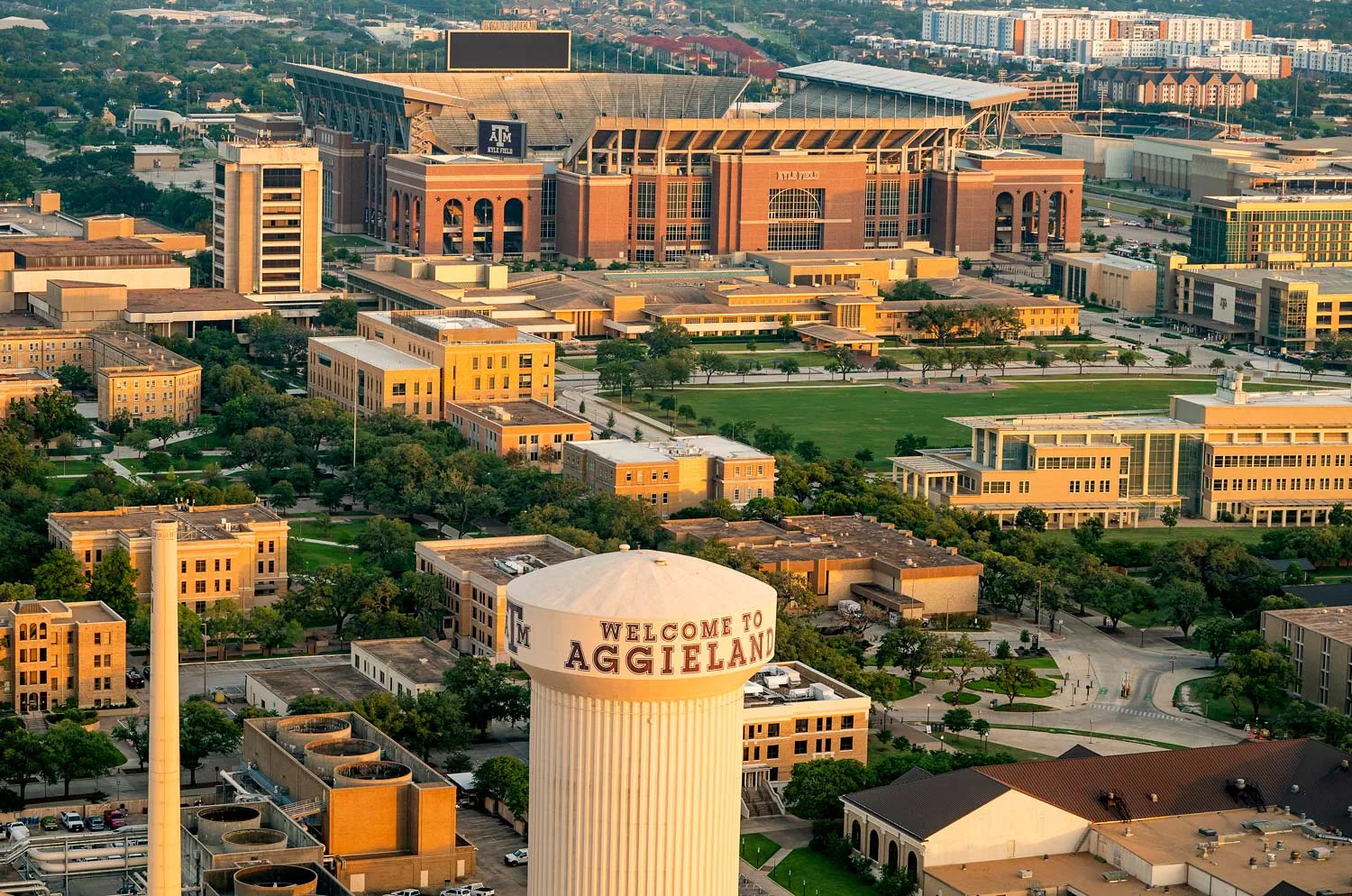
Historic Northgate District
Restaurants and mixed-use properties in the Historic Northgate District, College Station, TX serve customers throughout the year, while residential and commercial activity share the same area. Roof work needs to account for entry points, kitchen exhaust, tenant hours, and the access route to each roof section. A recent multifamily development added substantial housing capacity as redevelopment continued, so roof records may need to distinguish newer assemblies from older commercial conditions. We start with the property’s use and roof history, then build an inspection and repair sequence around what the field shows.
Summer temperatures in College Station place sustained demand on membrane surfaces, seals, and rooftop equipment. The July average high is about 95°F, with typical daily highs rising over the month. That regional condition gives us a reason to look closely at seam movement, flashing, and support details during a scheduled review. It does not establish a defect on any Northgate property. We confirm the assembly and record each observation through a roof inspection designed for the building’s operating window.
Plan around continuous activity
Year-round customer traffic makes communication and timing part of the roof scope. We identify the service doors, public entrances, loading movements, and periods when a lift or staged materials could interfere with normal use. Restaurant operations can add exhaust equipment and kitchen-related penetrations to the roof review, while mixed-use properties may require separate access coordination for residential and commercial areas.
The district combines restaurants, retail, hospitality, and mixed-use development. Those categories help frame the visit but do not tell us which membrane or deck a building has. We inspect the roof itself, note visible alterations, and compare them with any plans or work records available. When a portfolio includes a second property in the College Station Midtown District, a separate Midtown review can follow the same reporting method without merging building histories. A College Station roof review can be organized on the same regional calendar.
Before mobilization, the property contact should identify roof access rules, occupied periods, and equipment that cannot be interrupted. We can then divide a larger surface into work areas, mark any exclusion zones, and set a route that keeps the inspection focused. The written record also notes any roof area that could not be viewed, so the owner can decide whether a return visit is needed.
Check the details around exhaust
Kitchen exhaust and other rooftop equipment create transitions where a membrane meets a curb, duct, support, or flashing. Grease residue, vibration, service work, and repeated access can affect nearby details. We check the membrane at those interfaces, look for open seams or brittle sealant, and note whether equipment work appears to have disturbed the roof. A nearby stain inside the restaurant may help focus the review, but it does not identify the opening by itself.
Drainage deserves attention around equipment clusters and roof edges. A blocked strainer or debris can slow flow, while a damaged drain bowl or poor transition requires roof repair. We compare visible water marks with outlet locations and roof slope, then describe whether routine clearing, a local correction, or further investigation is indicated. The scope can include drain and scupper repair when the outlet assembly needs work.
Where several details share one area, we label each finding separately. That helps an owner coordinate a mechanical contractor with the roofer, rather than closing one penetration and leaving a nearby transition unaddressed. We record the order in which trades should work and which roof protections need to be restored after equipment service.
Keep drainage visible
A roof that appears dry during a visit may still have a recurring water problem after rain. We look for clogged outlets, standing water marks, displaced strainers, and deposits that show where runoff slows. The Diligence Notes should say whether a condition is present now or was reported earlier, because a past ponding area can change after cleaning or repair.
When water remains near a drain, the cause may be debris, a restricted leader, a low roof section, or a damaged connection. Each calls for a different response. Clearing an outlet can be scheduled as maintenance; correcting a failed drain flange or slope concern needs a defined construction scope. We check the membrane transitions around the drain and photograph both the detail and the surrounding roof so follow-up can verify the work.
Interior reports help connect the exterior map to occupied spaces. We ask where and when water appeared, whether it recurred, and whether temporary protection was installed. The resulting repair plan can address immediate entry while preserving a separate allowance for a larger correction if testing finds wet insulation or a broader failure.
Phase work by roof zone
Multifamily and commercial roof work may involve different contacts, access approvals, and quiet periods even when the roof areas connect. We set a sequence by section and identify which entrances or occupied spaces sit below active work. The district’s completed housing development and continuing redevelopment make it useful to keep records tied to specific buildings and phases rather than use one area-wide condition label.
If the assembly remains dry and secure, a recover may be worth evaluating against removal and replacement. Wet insulation, repeated detail failure, or poor attachment can change that choice. We document the layer information and explain how equipment transitions, perimeter work, drainage, and replacement staging affect the options. For residential buildings, apartment roof planning should account for entrances and occupied areas. On other occupied properties, a phased reroof can schedule work by zone and coordinate notices and protection with the property team.
Project timing also depends on equipment access, weather windows, material staging, and review of the planned scope. We separate urgent stabilization from work that can follow in an approved capital cycle. That makes it easier for management to decide what must happen before the next operating period and what can be scheduled with planned improvements.
Leave a useful condition record
A clear roof file should allow someone who missed the inspection to understand where the finding sits and why it matters. We include marked locations, context photographs, assembly details when known, and the recommended action. If moisture testing or access restrictions limited the review, the record names the remaining question and the next verification step.
Northgate’s year-round activity and mixed property uses make a shared service calendar useful, but each roof still needs its own history. We record repairs by area, note whether a condition returned, and carry forward items that still need review. This can support building-level decisions across the broader College Station market without suggesting that two roofs have the same wear pattern.
Owners can prepare by sharing leak records, prior repair scopes, access procedures, roof plans, and the operating calendar. We can then schedule a field visit, document the roof and its transitions, and return a practical order for repair, monitoring, or capital work. A condition report gives the property team an organized record to use in budget discussions.
Commercial Roofing Questions
Can roof work be scheduled around restaurant service?
Yes. We confirm operating hours, deliveries, entrances, and equipment access before selecting a work window. The scope can separate a protective repair from permanent work that needs a longer period or coordination with another trade.
What should be checked around kitchen exhaust?
We inspect the curb, flashing, nearby seams, supports, and any roof surface that may have been affected by service work. We also compare interior water reports with those details rather than treating the stain as the opening location.
How do mixed-use roofs get documented?
We label roof areas by building and access zone, then connect photographs and findings to the relevant commercial or residential contact. Separate records help management track repairs without combining unrelated assemblies.
Does standing water always mean a replacement is needed?
No. We first determine whether the cause is a blocked outlet, damaged drain detail, or a persistent low area. The repair boundary and moisture findings show whether maintenance, local correction, or broader work is appropriate.
What should happen after a repair?
We record the completed location, materials and detail corrected, and any follow-up condition to watch. A later inspection can verify whether the repair held and update the building’s condition history.
Arrange a Northgate roof visit
Share the roof history, tenant and service hours, equipment-access needs, and any current leak locations. We will coordinate a field review and document practical next steps for the property.
Related Roofing Work
Request a Roof Assessment
Tell us about the building, the roof and what you are seeing. We look at leaks, storm and wind damage, aging membranes and planned replacements on commercial properties across College Station, Bryan and Brazos County.