
Commercial Roofing for Real Estate Investors in College Station, TX
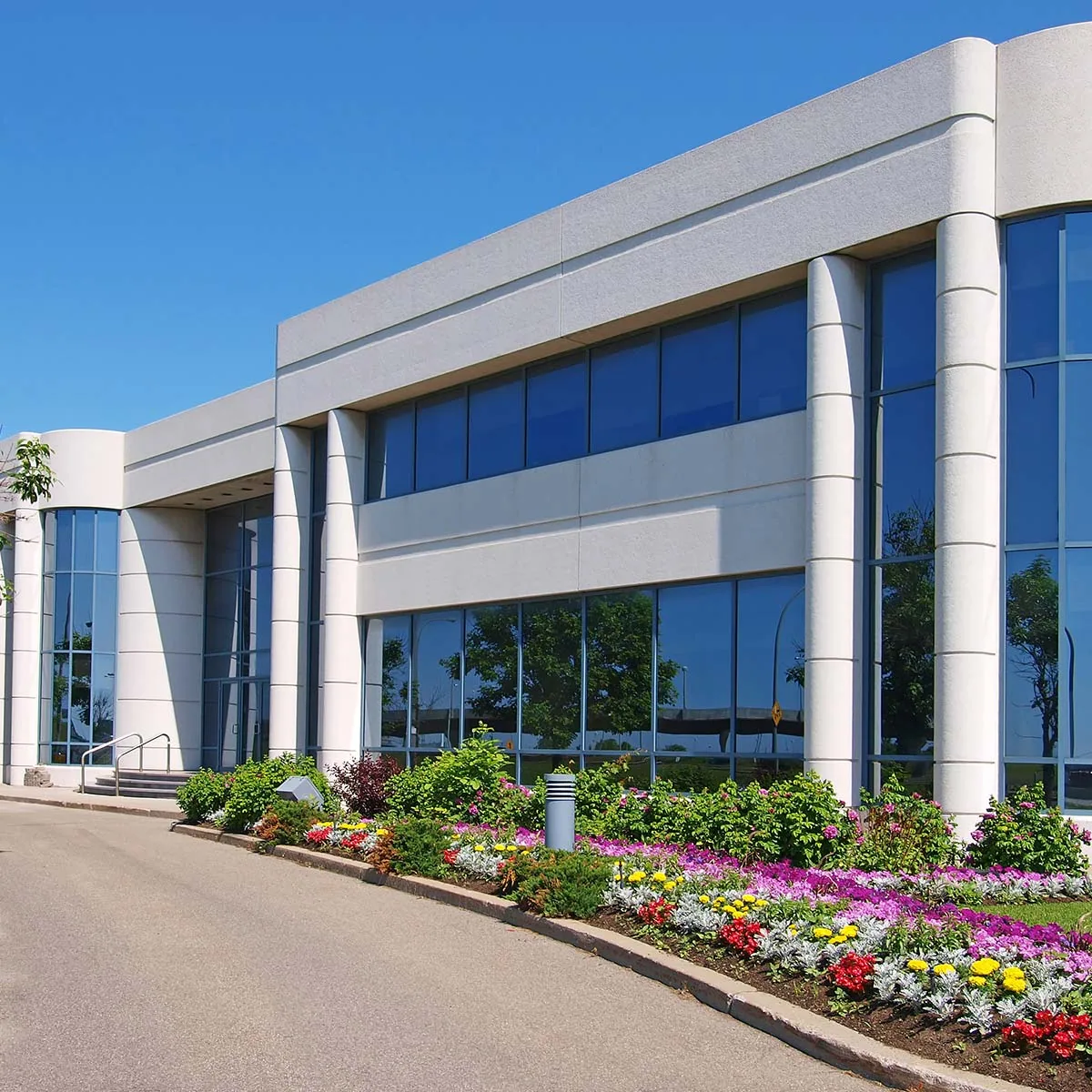
Real Estate Investors
A roof enters an investment decision as a condition question, a near-term operating cost, and a future capital event. In College Station, TX, an asset may sit among office, retail, hospitality, research, or industrial uses, while its own assembly and repair history determine the next move. We inspect accessible areas, connect reported symptoms to roof observations, and explain what supports repair, monitoring, restoration, or replacement. That gives the ownership team a field record it can compare with lease obligations, acquisition assumptions, and the planned hold period without treating an old estimate as current condition.
For an acquisition or annual review, provide prior inspection reports, service invoices, roof plans, and any known tenant concerns. We can identify what the available records establish and what needs a current visit. Property teams that manage daily requests can coordinate through a portfolio management workflow, while the investment decision remains tied to the asset’s actual roof assembly.
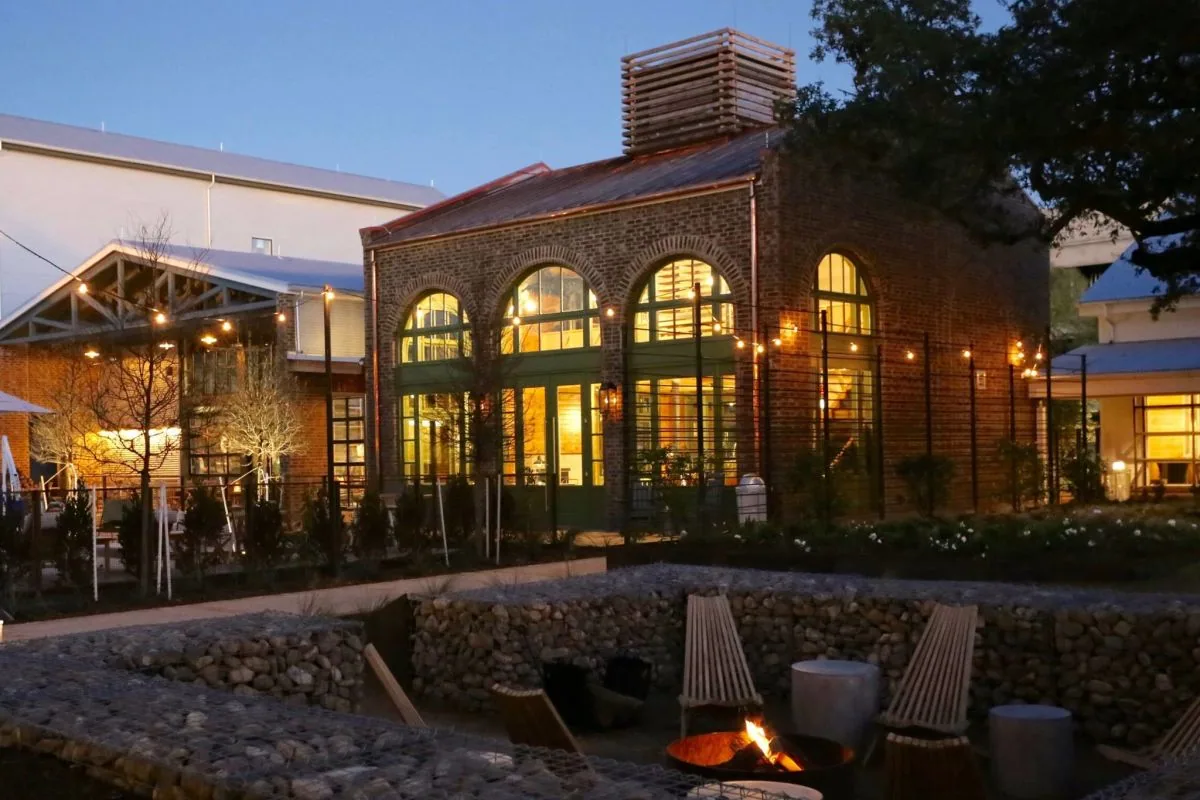
Test the record against the roof
Due diligence often starts with a report that has a date, a roof area, and a recommendation, but those details need to be checked against the current surface. We review accessible membrane, seams, flashings, drainage, edges, penetrations, equipment supports, and previous repairs. Photographs should be traceable to a location on the roof plan or another clear reference. If access is limited, the report identifies the area not observed and explains how that limit affects the conclusion. We separate a visible defect from a concern that still needs testing.
On a regional portfolio, a single local statistic cannot determine an individual property’s condition. For this market, the long-term July normal averages 95.4°F for daily highs. Use that figure when setting roof access and reviewing exposed materials. The assembly, exposure, and documented condition remain the basis for a recommendation. A focused roof survey for a transaction can record observed conditions and open questions in a format that fits acquisition review.
When a transaction timeline is short, we identify which questions can be answered by a visual review and which require records, testing, or access to another area. A moisture concern, for example, needs to be placed against the roof layout and interior observations before it becomes a broad replacement assumption. We can note the limits of the review, the facts available at the inspection, and the next action needed to resolve an open item. That gives a buyer and seller a shared scope for follow-up, even when the transaction decision has to move ahead before every unknown is closed.
Translate findings into a capital cycle
When a roof issue is localized, the field record should identify the affected detail, the repair boundary, and any nearby condition that could change the result. When deterioration spans several areas, the scope should show why a larger restoration or replacement should be evaluated. We discuss existing layers, moisture findings, attachment, drainage, insulation, and penetrations before presenting a system choice. A replacement scope can then distinguish urgent protection from work that can be sequenced into a later capital window.
Investment teams often compare roof work with tenant turnover, lease renewals, financing milestones, and planned building improvements. We can organize observations by roof area and priority so the same information supports an operating decision and a reserve discussion. The report should avoid implying a useful life that was not established by inspection. Instead, it records current defects, maintenance needs, and the conditions that would prompt another review. That gives ownership a defined basis for updating the capital plan as new work or weather events change the asset record.
Keep portfolio comparisons property-specific
Across Bryan and College Station, commercial property includes corporate offices, storefronts, lodging, research space, factories, and freight-dependent buildings. A portfolio can therefore contain different roof designs, even when assets share one market. We verify the assembly and visible layers at each building, then check whether repair materials are compatible with that roof. If records conflict with field observations, we document the difference for resolution before work proceeds.
For each investment asset, compare current roof condition with occupancy needs, access, repair history, and capital timing. Keep those inputs attached to the building’s own record before ranking work across the portfolio.
Set a scope that can be priced and scheduled
A proposal should make the work boundary clear enough for ownership to compare options. We identify roof areas, access assumptions, temporary protection, disposal, staging, and any interior coordination included in the scope. If the work is phased, the sequence should explain what remains weather-tight at each transition and which tenant or building services require coordination. For larger projects, an owner may need a general contractor roofing coordination plan to align adjacent trades, sequencing, and closeout records.
On an occupied property, work timing can change access, noise, parking, deliveries, and tenant communication. We confirm who approves field changes and how weather holds or concealed conditions will be reported. When a smaller repair can address a defined opening, a repair visit may fit the operating window while a broader project goes through approval. Our emergency response remains available around the clock, including weekends and holidays, for active water entry that cannot wait for a capital meeting.
Keep evidence attached to the investment
After the work, closeout should connect the original finding, the completed scope, and any open recommendation. We provide photographs by area, note materials and details addressed, and identify limitations that remain. Ownership can retain those records with invoices, roof plans, tenant communications, and warranty documents supplied for the assembly. At the next review, the team can compare conditions rather than rely on a broad statement that the roof was serviced.
Severe storms have affected the Bryan and College Station area, including hail, tornado, and high-wind events. For an investment property, that history supports having an inspection path ready after reported exposure; it does not establish damage at an uninspected building. We document visible changes, check vulnerable details, and separate emergency stabilization from any insurance or capital scope. A College Station roof review can be coordinated with the property’s access and operating plan, with nearby Bryan assets scheduled separately when that improves portfolio coverage.
A portfolio review is easier to use when each property carries a consistent set of fields: assembly, age if documented, repair history, drainage notes, access limits, and unresolved conditions. Those records can support a capital discussion without converting every roof into a single ranking. An owner may group work by timing or operational impact, while retaining the scope assumptions that apply to each building. If inspection finds concealed moisture or a failing tie-in, the follow-up belongs to that asset before it becomes a portfolio-wide allowance.
Commercial Roofing Questions
Can a roof survey support acquisition diligence?
Yes. We can review accessible roof areas, available reports, visible defects, and access limits, then document current observations and questions that need follow-up.
Can you estimate remaining roof life?
We report observable condition and known repair history. A specific remaining-life estimate requires evidence that supports it, so we do not assign a number where the inspection cannot substantiate one.
How should an investor compare repair and replacement?
Compare the repair boundary, surrounding assembly condition, recurring defects, moisture findings, and expected operating needs. We explain which observations support each scope and what further review is needed.
What records help before a capital review?
Roof plans, prior inspection photographs, repair invoices, leak reports, and access restrictions give us a starting point. We verify current conditions before relying on older recommendations.
Can work be phased around tenant activity?
Yes, when the roof and project conditions support phasing. We define work areas, temporary protection, access, tenant notices, and weather response before setting the sequence.
Put roof condition into the asset plan
Share the reports, roof plans, tenant schedule, equipment access needs, and capital timing. We will review the assembly and provide a clear field record for the next ownership decision.
Related Roofing Work
Request a Roof Assessment
Tell us about the building, the roof and what you are seeing. We look at leaks, storm and wind damage, aging membranes and planned replacements on commercial properties across College Station, Bryan and Brazos County.