
Distribution Center Roofing in College Station, TX
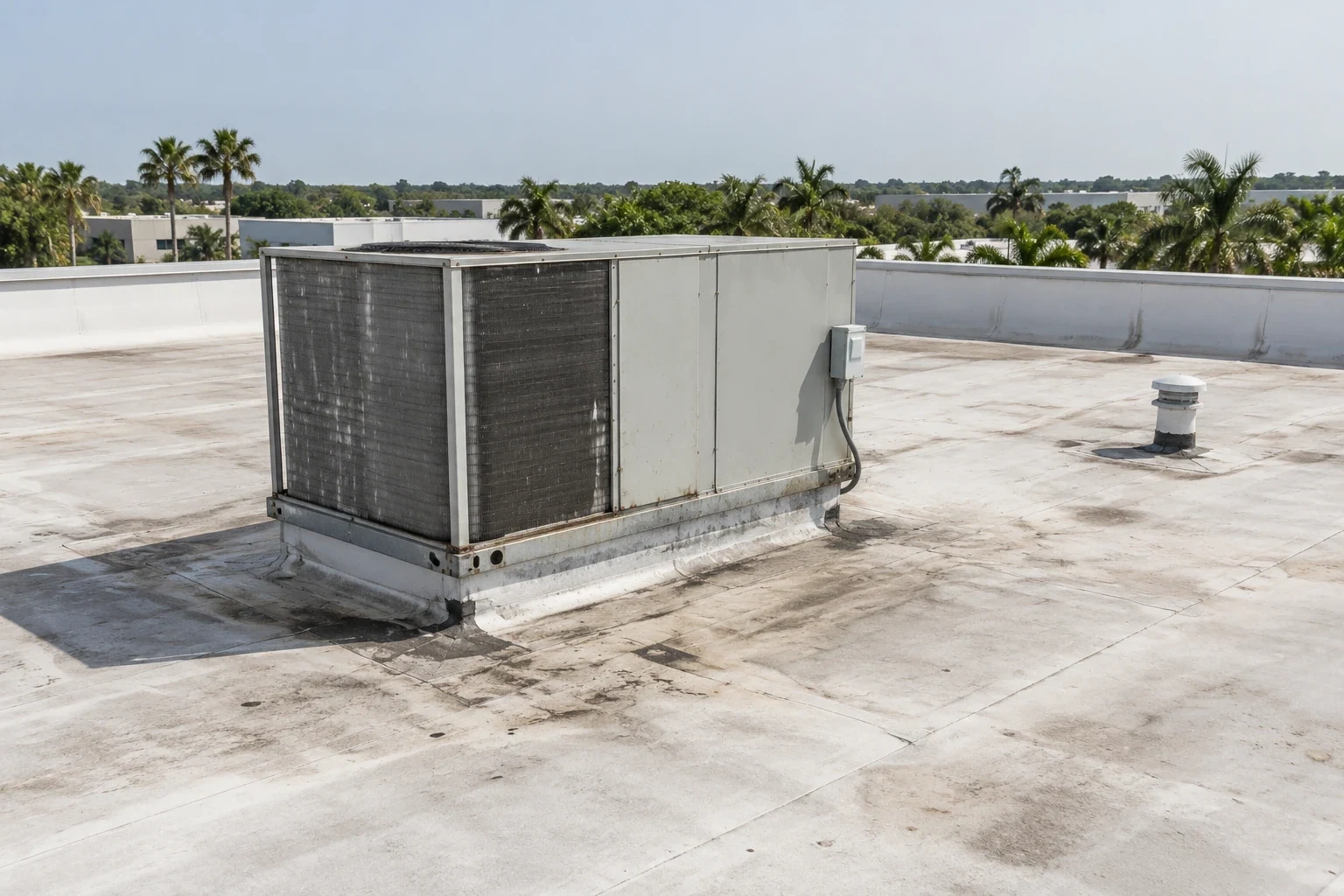
Distribution Center Roofing
Outbound schedules compress roof response into narrow access windows, especially when a leak reaches staging or a loading bay. A problem over an active dispatch area can need a faster response than a worn seam above a low-traffic zone, even when both conditions deserve documentation. We review the building's roof assembly and operating plan together, then map findings to access, repair, and capital decisions. In College Station and Bryan, that planning serves a regional commercial and industrial base, but each property still needs its own condition review. We coordinate with your facilities contact before setting inspection access or proposing a work sequence.
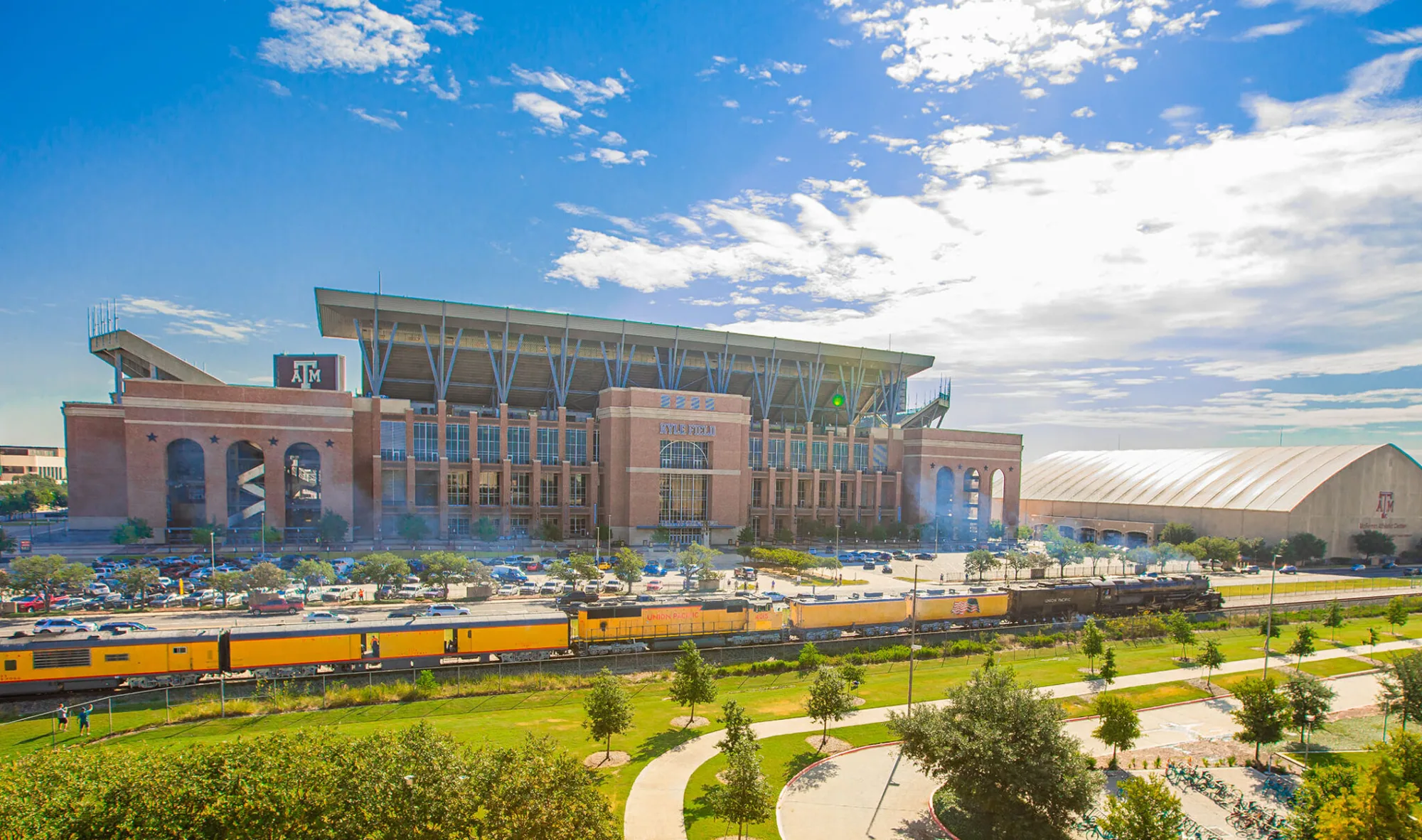
Follow the flow from receiving to dispatch
Distribution buildings often have changing inventory positions, dock activity, conveyor routes, charging areas, and office or support spaces under one roof. We ask which zones can be reached without disrupting movement, when lifts or staged materials can arrive, and who can authorize temporary isolation. Those details help us plan inspection paths and protect the areas where water entry could affect goods or operations.
During a review, we tie observed conditions to roof areas and available building plans rather than recording a general note that cannot guide a later visit. If a report names an interior location, we compare its position with drains, penetrations, seams, curbs, and roof transitions above it. The findings can become part of a roof asset record that connects location, condition, and follow-up for the next inspection window.
Trace water paths before selecting a repair
Water can travel along a deck or insulation layer before it appears inside, so an interior stain does not always sit directly beneath the opening. We inspect the reported area and nearby details, note drainage conditions, and distinguish a visible defect from a suspected path that needs testing. At curbs and penetrations, the condition of the flashing and adjacent membrane matters as much as the field surface. Where the roof includes several repair generations, we document those transitions before recommending a tie-in.
Distribution centers also have many roof-level penetrations for equipment and ventilation. A focused drain and scupper review can help determine whether a ponding report relates to an obstructed inlet, a damaged connection, or a broader drainage condition. We record what is accessible and identify any limits, so the repair scope reflects observed evidence rather than an assumption about concealed layers.
Use local storm history as context, not a diagnosis
For distribution properties, storm review should account for both broad roof fields and the edge details that can affect active loading areas. College Station recorded an 85 mph gust during the June 3, 2023 destructive thunderstorm; that event is a reason to inspect after a reported exposure, not evidence of damage at a particular site. We photograph accessible corners, transitions, rooftop supports, and perimeter metal, then list any area needing closer evaluation.
The April 8, 2021 severe storm produced documented hail from 1 to 2.75 inches in Bryan and College Station. If a facility reports impact or a leak, we compare roof-side observations with the affected interior zone and note what remains uncertain. occupied-building work planning can help coordinate protection and access if the assessment leads to repair or replacement.
Keep dock and inventory operations in the sequence
Before work starts, we coordinate where crews can enter, where equipment can be staged, which loading doors must remain clear, and how the facilities lead will receive updates. A phased roof plan can divide a large surface into zones with defined start points, temporary conditions, and closeout checks. This makes it easier to identify which areas are complete and which remain open for inspection or follow-up.
Weather changes and concealed conditions can alter a daily plan. We agree on who can make field decisions, how a discovery is documented, and when the work area must be secured. If inventory or dispatch needs shift, the sequence can be reviewed with your team before the next phase. A useful record states what was completed, where, and what observation or repair remains, allowing ownership to plan around the building's actual operating calendar.
Compare system options against the existing roof
Choosing repair, recover, or replacement starts with the current assembly. We review attachment, moisture information, drainage, transitions, penetrations, and any existing overlays. A limited repair may be appropriate when the affected detail is defined and surrounding material remains serviceable. Broader work needs a scope that explains why the existing condition supports that approach and how transitions will be handled.
For example, an existing TPO assembly has different seam and flashing details from a metal roof or built-up system. Comparing options should account for rooftop equipment, access routes, interior use, and the ability to maintain continuity during construction. A neighboring warehouse roof may have different operating demands, while a manufacturing roof may require distinct protection around process areas. We document each building separately instead of treating a campus or portfolio as one condition.
A large footprint can make a missed transition consequential. We use consistent roof-zone labels, date each observation, and record whether inventory or loading access limited coverage so your team can plan the next review.
Plan across the Bryan and College Station industrial area
In northeast Bryan, Texas Triangle Park is a rail-served industrial property. The separate Brazos County Industrial Park lies below SH 21 and west of FM 2818. For a distribution property in either area, we coordinate the roof review around the building’s own dock access, dispatch windows, and roof zones.
The Bryan and College Station economy also spans research and health science, offices, hospitality, retail, and manufacturing. A corridor study describes FM 2818 as a cross-town connection about 20 miles long, terminating at SH 6 at each end and serving commercial and residential areas. For a review in Bryan, share the property’s access rules and dispatch window so we can set a workable inspection route.
Leave an actionable condition history
After inspection or construction, we organize photographs by roof zone, list completed repairs, and identify any conditions that need another look. We also note access limits and explain when a conclusion depends on additional testing. This gives your facilities team a useful handoff rather than a collection of images without locations or context.
When you are ready to discuss a distribution center roof in College Station or Bryan, share available plans, leak reports, operating restrictions, and the next period when access is practical. We can review those details with your facilities contact and outline the inspection or repair step that fits the building.
Commercial Roofing Questions
How do you inspect a roof without interrupting dispatch?
We confirm receiving and loading windows, roof-access procedures, staging limits, and protected interior zones with your facilities lead. The inspection path and any phased work are then coordinated around those constraints.
Can one leak report identify the repair location?
Not always. Water can travel before it appears indoors, so we review the reported area and nearby roof details, then identify what is confirmed and whether testing is needed to trace the path.
What information helps plan a distribution center reroof?
Roof plans, repair history, leak dates, equipment locations, dock schedules, and access requirements help us build a realistic sequence. If records are incomplete, we note what can be established during the inspection.
Do you inspect after hail or wind events?
We can document visible conditions at seams, edges, penetrations, and accessories, then compare them with reported interior symptoms. Local storm history provides context, while the building's own observed conditions guide the next step.
What does the final roof report include?
The closeout can identify the areas reviewed, photographs, completed work, open items, access limits, and recommended follow-up. Those details help the next inspection build on the current condition history.
Schedule a distribution roof review
Share the roof plan, leak history, access procedures, and operating schedule. We can review your College Station or Bryan property with the facilities team and outline a practical next step.
Related Roofing Work
Request a Roof Assessment
Tell us about the building, the roof and what you are seeing. We look at leaks, storm and wind damage, aging membranes and planned replacements on commercial properties across College Station, Bryan and Brazos County.