
Emergency Commercial Roof Repair in College Station, TX
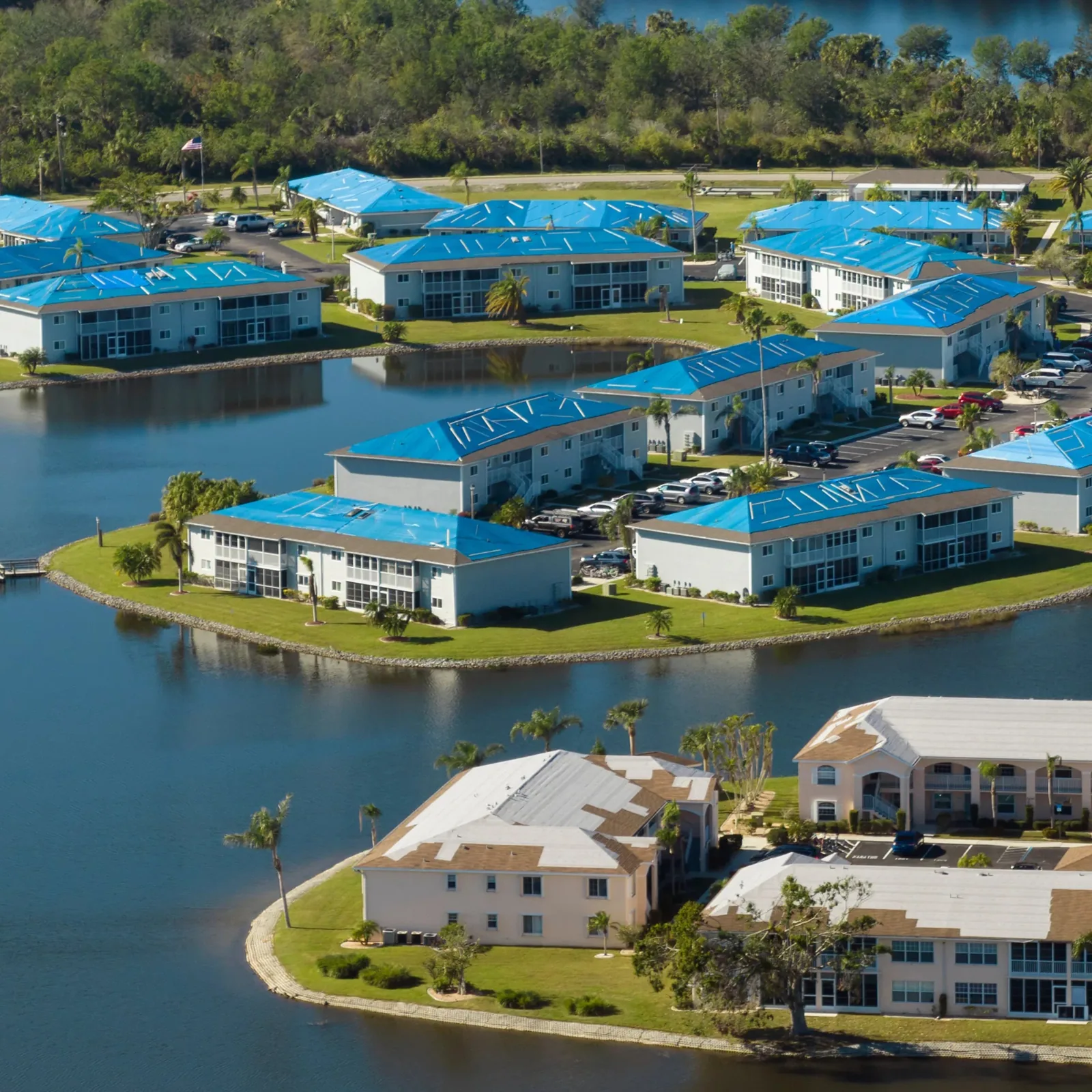
Emergency Commercial Roof Repair
A distribution, manufacturing, or research building cannot wait for the next workday when water is entering occupied space. Our emergency crews respond around the clock in College Station, TX, including nights, weekends, and holidays, to limit exposure and secure an opening. The first visit focuses on safe access, immediate protection, and a temporary tarp or dry-in where conditions allow. It also records what needs permanent correction. We coordinate roof access and interior protection with the facility contact, then set a follow-up sequence against the operating calendar. A clear handoff identifies the protected area, materials used, access limits, and the next person who needs to approve permanent work.
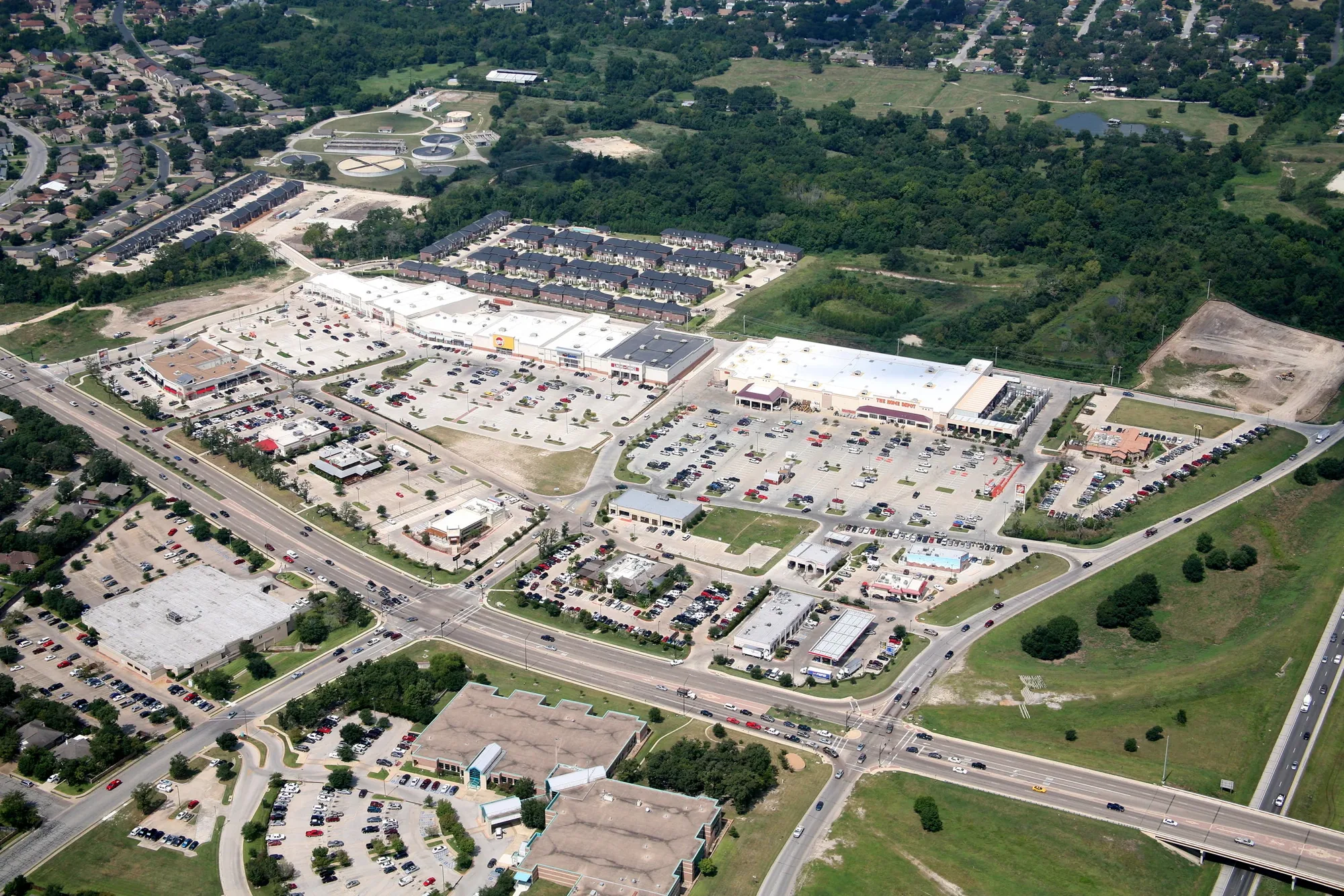
Stabilize the active opening
Once the site contact identifies the affected rooms and roof access, we check conditions that affect safe entry and immediate containment. Water near electrical equipment, active production, inventory, or occupied offices may call for interior isolation or temporary protection before roof work begins. We document where the leak is visible and which spaces cannot be exposed. If rain or wind makes permanent repair unsafe, a secured tarp or dry-in can reduce additional entry while the assembly and weather window are assessed.
Temporary work has limits that need to be recorded. We mark the protected area, note the material used, photograph the condition before and after, and explain what still requires a permanent repair. A roof contact receives an update on access, staging, and any area that needs to remain clear until the follow-up visit. For a multi-tenant property in Bryan, the same response may involve coordinating separate suite contacts or a shared loading route. The goal is a documented stabilization step that lets the building team manage immediate exposure while a lasting scope is prepared.
Trace the roof failure after dry-in
After immediate water control, we inspect the area around the opening and the roof details that could have allowed entry. Loose edge metal, punctured membrane, a failed seam, lifted flashing, damaged skylight, or blocked drain can each send water into an occupied building. The interior stain may be offset from the failure because water moves along deck or insulation layers. We compare the roof slope and reported leak history with visible damage, then note whether moisture or deck conditions need a closer look.
Two dates may help when comparing a reported loss: the region’s April 2021 hailstorm and a 2019 EF-2 tornado east of Bryan that damaged commercial buildings and warehouses. Those dates help a facilities team organize records and photographs, but an emergency scope follows the opening and roof conditions found at the affected building. We check for impact, uplift, torn membrane, displaced perimeter details, and water entry, then describe what was observed. If conditions permit, a leak trace can identify a path that was not clear during the initial dry-in response.
Plan the permanent correction
The permanent repair must match the roof system and connect to sound material. We prepare the affected surface, correct failed seams or flashing, replace damaged components where needed, and preserve drainage around the repair. On metal, attachment and panel details require a different treatment than a membrane patch. When an opening involves a curb, edge, skylight, or drain, we document the connection points so water is not simply redirected to another weak detail. The proposed work is tied to the assembly observed during the follow-up visit.
A wind-damage repair may include inspection of perimeter attachment and exposed flashing; a hail-related repair may involve documented impact and membrane or coating damage. We distinguish those findings from pre-existing wear and from temporary measures installed during response. If moisture extends beneath a wide roof section or deck damage is suspected, the repair may need an opening and a more detailed scope. We describe the next decision point before expanding work, so the asset manager can understand whether the plan remains a repair or should enter a capital review.
Coordinate access while the site stays active
Emergency access may require a lift, roof hatch, escort, after-hours entry, or temporary closure of a loading area. We work with the property contact to identify the safest route and whether production, deliveries, tenants, or customer access need protection. A research building may have restricted equipment areas below the roof; an industrial facility may need truck circulation maintained. We record the contact, route, work area, and any restriction that changes the crew's sequence.
Along FM 2818 and Harvey Mitchell Parkway, route planning can affect where a crew stages and how quickly tools reach the roof. We confirm the arrival point, the door or ladder access, and the person who can clear an obstructed path. Where interior containment is needed, we coordinate it with the building's safety contact and explain what staff should monitor until permanent repair is complete. That keeps the response tied to actual building operations instead of assuming every roof can be reached or worked the same way.
Carry the event into the asset record
After stabilization and repair, the closeout note should show the time of response, reported interior area, roof condition, temporary protection, and completed permanent work. We include photographs that locate the opening and the repair boundary. If water returns or the follow-up finds moisture beyond the initial area, we record that change and the next action needed. The property team can then distinguish what was stopped immediately from what the roof still needs.
A consistent condition report lets owners connect an emergency call with previous repair history, a scheduled inspection, and future capital timing. If an opening leads to a wider condition question, we can arrange a hands-on inspection or additional moisture testing. Share occupied hours, equipment-access requirements, and contact procedures when requesting a response so the field plan can reach the right people in Bryan or College Station.
For a manager coordinating response in Bryan or College Station, the closeout should name the contact who accepted the work area and the person responsible for reopening it. We also record any temporary access restriction, interior cleanup, or monitoring instruction that continues after the crew leaves. These handoff details keep the next shift informed while the permanent roof scope is arranged.
Commercial Roofing Questions
Can you respond after business hours or on a holiday?
Yes. Emergency response is available nights, weekends, and holidays, including around the clock. The first priority is safe access and limiting water entry. We document any temporary dry-in separately from the permanent repair plan.
Will a tarp be the final repair?
A tarp or dry-in can reduce exposure when conditions do not support a permanent detail. It is a temporary measure with a documented boundary and follow-up need. We inspect the underlying failure when access and weather allow, then specify the lasting repair.
What information should a building contact provide during a call?
Share the affected rooms, active water locations, site access instructions, occupied hours, and any electrical, production, or equipment concerns. Tell us whether a roof hatch, escort, or loading-area restriction applies. Those details help us protect the right space and reach the roof safely.
Does a severe storm report mean we have storm damage?
It provides regional context and a date to review, not proof about an individual roof. We inspect for impact, uplift, displaced metal, open seams, and water entry, then photograph what is present. The repair recommendation follows those conditions and the building's leak history.
What happens after water entry is stopped?
We schedule or complete a follow-up inspection to confirm the entry path, replace temporary measures where needed, and document permanent repair requirements. If moisture extends under the roof, additional testing may be useful. The closeout note connects the emergency response to the property's condition history.
Request emergency roof response
Call with the affected area, active water entry, building contact, access instructions, occupied hours, and equipment needs. We can stabilize the opening, document conditions, and plan permanent repair.
Related Roofing Work
Request a Roof Assessment
Tell us about the building, the roof and what you are seeing. We look at leaks, storm and wind damage, aging membranes and planned replacements on commercial properties across College Station, Bryan and Brazos County.