Cold Storage Roofing in College Station, TX
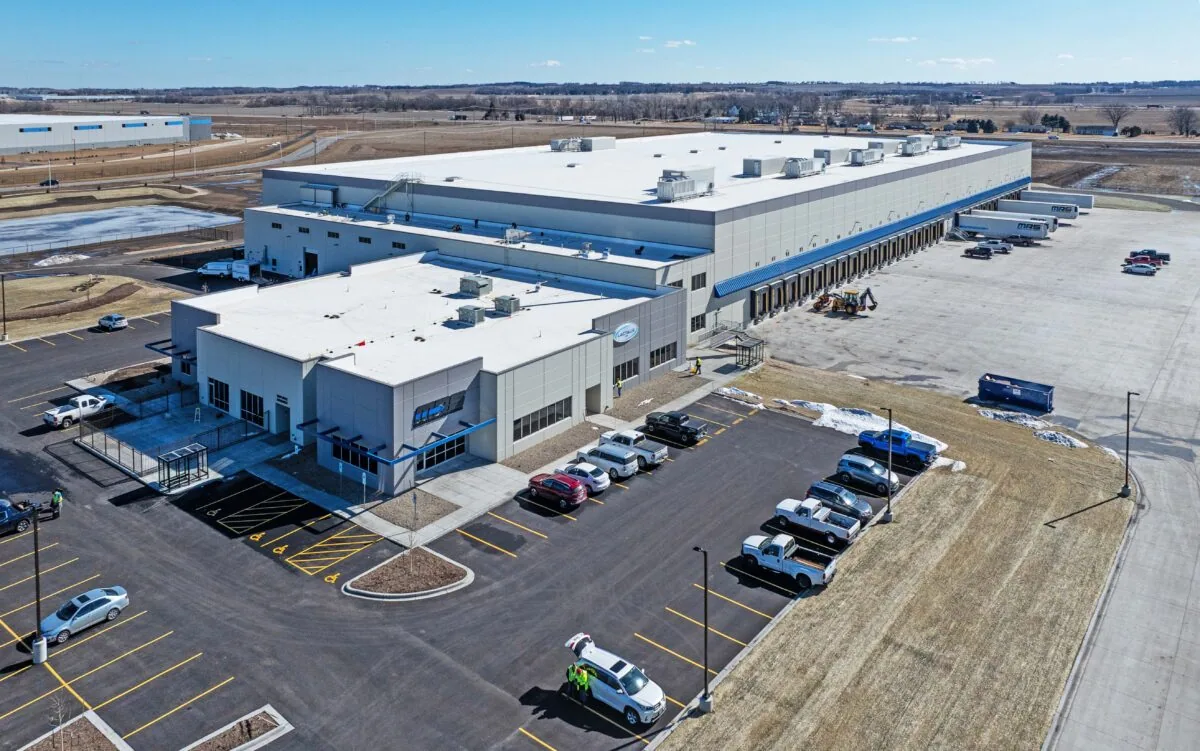
Cold Storage Roofing
Cold storage roof work calls for close coordination between the exterior assembly and the temperature-controlled operation below it. A leak near a refrigeration line, roof curb, or insulated transition can raise questions that need a careful review before a repair is selected. We document visible roof conditions, understand access and work limits, and coordinate with your facilities contact around operating schedules. In College Station and Bryan, our process connects observed conditions to your building's equipment, roof history, and next maintenance window instead of treating the roof as a generic surface.

Coordinate roof observations with temperature zones
Refrigerated rooms and freezer areas can respond differently to moisture than offices or dock spaces. We ask which zones are temperature controlled, where condensation or interior water has been reported, and whether the issue changes with equipment cycles or weather. That information does not replace roof inspection, but it helps focus attention on penetrations, transitions, vapor-related details, and roof areas above sensitive operations.
When interior conditions vary by room, the facilities team can mark the affected zone on a plan and share dates or operating changes tied to the report. We keep that information alongside the roof-side observations, without treating a change in temperature or humidity as proof of a roof defect. The comparison helps determine whether another inspection, a controlled test, or a repair decision should come next.
Our notes connect each reported symptom to a roof location and the accessible conditions around it. We identify confirmed openings separately from suspected pathways and explain when more testing is needed. If the property also operates like a distribution center or warehouse, we still document refrigerated zones, dock areas, and general storage areas separately so a later repair visit has useful context.
Review drainage and penetrations with care
Roof drains, scuppers, equipment curbs, refrigeration lines, vents, and edge details all deserve attention when water reports appear. We inspect the accessible surfaces around these points, record visible conditions, and note debris or drainage issues that may affect the area. A stain inside a cold room can have several possible causes, so we do not attribute it to a roof opening until the roof-side evidence supports that conclusion.
Where water appears near a drain or curb, we document the connection, surrounding membrane, and route for follow-up. A targeted commercial roof inspection can establish a baseline, while a drain and scupper review can focus on water management details. If access is limited by equipment or safe-work procedures, the report identifies that limit and what would be needed to complete the review.
Plan around heat and severe-weather exposure
For a cold-storage roof, schedule and temperature control belong in the same review. College Station's July climate normals rise from a 94°F average daily high at the beginning of the month to 97°F near the end; the monthly mean high is 95.4°F. We use that local heat profile when discussing access windows and rooftop equipment, then base repair choices on the installed assembly and observed condition.
The April 8, 2021 severe storm brought documented hail of 1 to 2.75 inches to Bryan and College Station. A post-storm visit can record visible marks and compare them with reports from temperature-controlled rooms, without treating regional weather as proof of damage. We note which surfaces were accessible and what requires follow-up.
Match the repair to the installed roof assembly
Repair, recover, and replacement decisions depend on more than the insulation value or roof name. We review the membrane or metal system, attachment, drainage, flashing, roof layers, penetrations, and any available moisture information. A localized opening may support repair when the surrounding assembly remains suitable. A broader scope may be warranted when defects recur across several areas or the condition of existing layers is uncertain.
Cold storage properties often have numerous roof penetrations and equipment supports that need to be included in the detail review. A TPO roof system has different seams and flashing considerations from a metal roof or built-up assembly. When the evidence points to a larger project, we can organize condition findings into zones so ownership can compare the scope with equipment access and planned maintenance.
Protect access and maintain operating continuity
Before work begins, we coordinate roof access, staging, equipment clearances, interior protection, and the person who can approve field decisions. Cold storage operations may have security rules, temperature monitoring, and delivery windows that affect crew movement. Your facilities lead can identify restricted areas and communication steps so the inspection or repair sequence fits the property.
For phased work, we define each zone, the temporary conditions to be monitored, and the point when a section is ready for closeout. If the opened area reveals a hidden layer or moisture, we photograph the exposed condition and ask the site contact to authorize a revised scope before the crew proceeds. That approach keeps the scope connected to what the team observes and helps avoid unnecessary disruption to refrigeration and dispatch operations.
Coordinate roof access across regional facilities
Bryan’s industrial area includes the rail-served Texas Triangle Park and the Brazos County Industrial Park west of FM 2818. For a cold-storage operator with sites near Bryan or College Station, share each property’s address, roof plan, refrigeration schedule, temperature zones, and site contact before arranging a field visit. Those details help operations coordinate travel without combining separate roof histories.
FM 2818 links commercial and residential destinations across the urban area. A facilities team can group nearby visits when operating hours and access allow, while each roof review follows that building’s own equipment routes, safe-work limits, and maintenance record. The closeout can identify temporary conditions that need a timed return visit.
Make the closeout useful for the next maintenance window
A useful closeout identifies where the crew worked, what conditions were visible, what was repaired, and what remains open. We organize photographs by roof area and note access or testing limits, so a later reviewer can understand how each conclusion was reached. If an interior concern continues, facilities staff can compare its dates and location with the roof record rather than repeating the original investigation.
For owners planning future work, the record can support budget timing and coordination with refrigeration maintenance. We can review roof plans, repair history, equipment routes, and the operating calendar before recommending an inspection or repair scope for a College Station or Bryan property.
Commercial Roofing Questions
What should cold storage staff share before the roof review?
Share available roof plans, leak locations and dates, refrigeration equipment details, temperature zones, access procedures, and delivery or maintenance windows. These details help us plan a focused review with your facilities contact.
Can a roof leak affect a freezer or refrigerated room?
A report in a temperature-controlled area deserves prompt documentation, but its cause should be confirmed. We compare the interior location with accessible roof details and identify whether further testing or access is needed.
Do you inspect around refrigeration equipment?
We review accessible curbs, penetrations, supports, flashing, and adjacent roof surfaces. Any restricted or unsafe area is noted, along with the additional access needed for a complete assessment.
How do you choose repair or replacement?
We consider the installed system, condition across roof zones, drainage, repair history, and available moisture information. The recommendation explains what the evidence supports and what remains uncertain.
Can roof work be phased around deliveries?
We coordinate staging, access, and work areas with your facilities lead. If the project is phased, each zone has defined temporary conditions, communications, and a closeout point before the next area proceeds.
Coordinate a cold storage roof review
Send roof plans, equipment locations, leak history, access rules, and the operating schedule. We can review the College Station or Bryan property with your facilities team and identify the next step.
Related Roofing Work
Request a Roof Assessment
Tell us about the building, the roof and what you are seeing. We look at leaks, storm and wind damage, aging membranes and planned replacements on commercial properties across College Station, Bryan and Brazos County.