
Commercial Roofing in College Station Business Center, College Station, TX
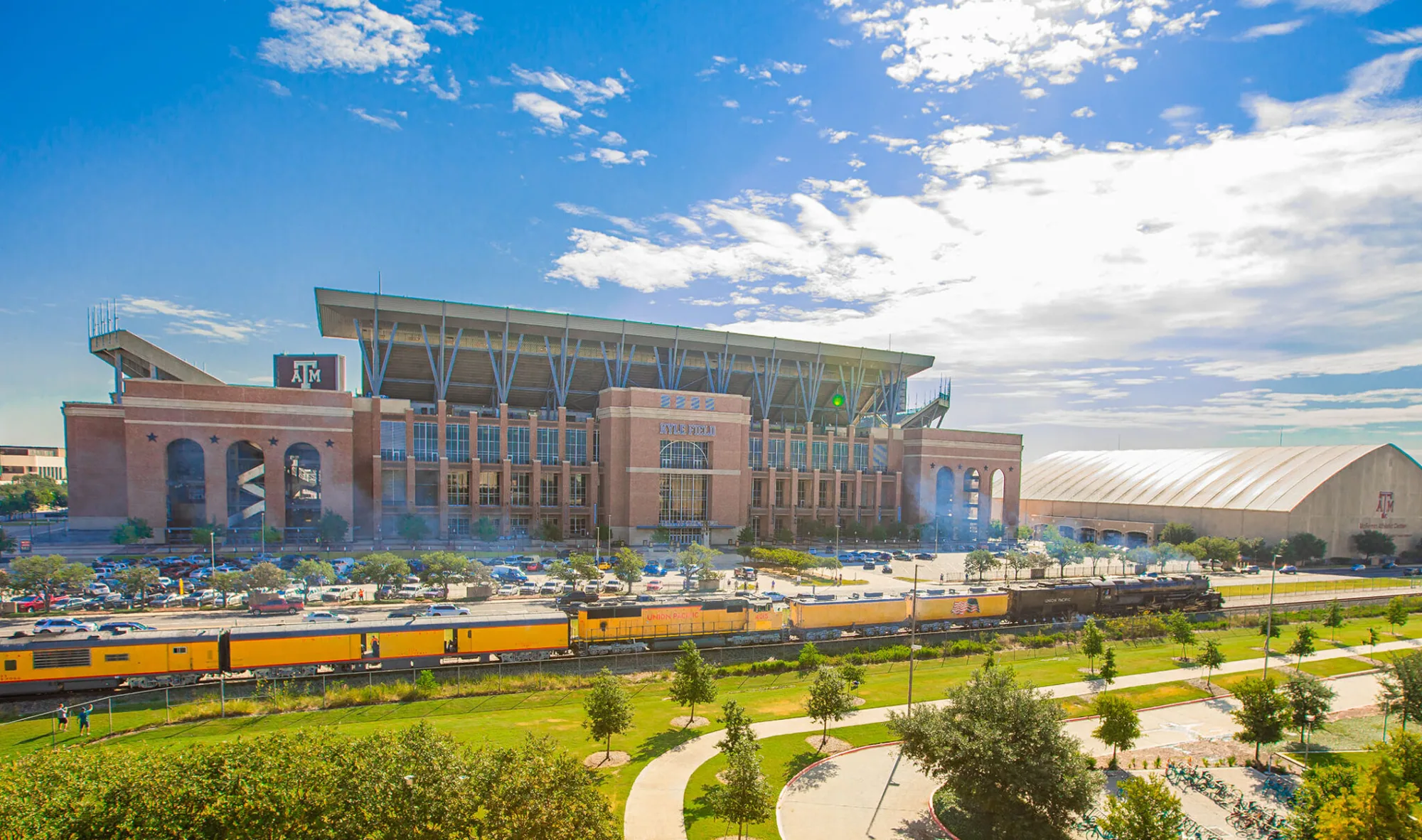
College Station Business Center
Office and business premises in the College Station Business Center, College Station, TX serve technology, software, and diagnostic work, along with start-ups and scaling companies. Those operations may change equipment, room layouts, or service needs over time, so the roof file should track both the installed assembly and later modifications. We review the roof in the context of business hours, equipment access, prior work, and planned renovations, then identify the next action that fits the property’s actual condition.
The business center sits off William D. Fitch Parkway and Lakeway Drive, giving the area a clear location within the city’s commercial network. In a building with occupied offices or diagnostic operations, roof work needs a deliberate access plan and a record that identifies where equipment or penetrations are located. A commercial roof inspection can establish that baseline and give the property team a usable set of findings.
Track change in an active business setting
An established business center can contain premises at different points in their operating life. A scaling company may add cooling or communications equipment, while a more settled office may carry a longer maintenance record. We do not assume those changes from the type of tenant. We ask what work occurred, compare it with the roof plan, and inspect each penetration and support that could affect water control.
New equipment needs a coordinated curb, flashing, or support detail that fits the membrane and does not block drainage. We check who is responsible for the roof transition when an HVAC or electrical contractor completes the work, and we record whether the final seal and membrane tie-in were inspected. This handoff is especially useful when a tenant change happens between routine roof visits. A commercial roofing for offices review can also align roof work with occupant needs.
The inspection route should reflect how the premises operate. We agree on roof access, escort needs, occupied periods, and equipment that must stay available. Where a property shares management with other offices in the College Station market, a separate College Station roof review can use consistent reporting while retaining each site’s own assembly notes.
Read heat exposure with the roof
College Station’s July climate normals put the monthly average daily high near 95°F, with typical highs increasing as the month progresses. Sustained heat can affect the movement and condition of seams, flashing, sealants, and equipment supports. We look for visible changes such as open laps, brittle transitions, surface wear, or gaps around curbs, then compare them with roof age and prior repairs where those records are available.
Heat is part of the inspection context, not a diagnosis. A marked membrane surface does not by itself show loss of watertightness, and a warm equipment zone can reflect operating conditions rather than a roof defect. We record the detail, note any test performed, and state whether a repair, monitoring, or additional verification is warranted. If a leak is active, commercial leak repair can be scheduled around the affected business area and its operating limits.
For a renovation, energy performance and roof assembly decisions may need to be reviewed together. Current College Station requirements include the 2024 building and energy codes, effective in 2026; commercial energy designs require an energy compliance report. We identify those review considerations during scope development and coordinate project details before final documents are set.
Investigate reports without guessing
A leak can appear inside an office well away from the point where water entered. We compare the reported room with the roof map, then inspect drains, seams, penetrations, wall transitions, and areas around equipment. If the business has moved a workstation or storage area, we still tie the report to the original location and note when the interior evidence appeared.
Moisture readings, core information, and visible conditions can help determine how far a repair should extend. A dry, stable area around a small opening may support a local correction, while wet insulation or recurring failure can change the boundary. We document the reason for the selected scope and identify any area that needs a follow-up test. This makes it possible for the manager to distinguish repair work from an unresolved condition.
Drainage can also be affected by tenant or mechanical work. We check whether a service route, new support, or debris blocks an outlet, and whether water marks indicate a continuing restriction. If the drain itself or its membrane interface has failed, drain and scupper repair can be included with the related flashing correction.
Fit repairs to the business calendar
Office and diagnostic activity can require a narrower work window than an unoccupied roof. We identify the spaces below the work area, possible noise, material staging, equipment shutdowns, and routes that need to remain open. For a localized repair, the scope can isolate one zone and define when the crew can access it. For broader work, we break the project into sections and state how each area will be protected before the next is opened.
Replacement becomes a capital discussion when repair findings indicate extensive wet material, repeated detail failures, attachment concerns, or an assembly that no longer supports the building’s needs. A recover may be suitable only if the existing layers are dry, stable, and compatible with another roof layer. We compare those paths with equipment transitions, insulation, drainage, removal, and tenant coordination. A replacement scope should make those differences clear for the owner’s review.
Cost and timing vary with roof area, substrate condition, work height, edge details, access, and other trades. We identify assumptions that can change the estimate and keep planned work distinct from emergency stabilization. This helps a facilities lead schedule repairs within the operating calendar and place larger work in an approved capital cycle.
Keep a record that survives tenant changes
A roof file should remain useful when office occupants or managers change. We label roof areas, attach photographs, record repair dates, and note equipment modifications that affect a future inspection. A manager can then see which conditions were addressed and which still need review without relying on a tenant’s recollection.
William D. Fitch Parkway and Lakeway Drive provide broad location references for the business center, while the internal roof record should identify each building and accessible zone. A site-wide service calendar can help coordinate visits, but condition conclusions remain building-specific. For a neighboring municipal property, a separate Bryan inspection should keep its own system details and repair history.
Share roof plans, prior scopes, equipment schedules, access instructions, and the timing of tenant work. We can review the assembly, document open items, and prepare an ordered recommendation for repair, monitoring, or capital planning. A roof condition report can carry that record into maintenance and budget discussions.
Commercial Roofing Questions
Should new rooftop equipment be reviewed by the roofer?
Yes. We check curb, flashing, support, and membrane transitions after equipment work and record who must complete any remaining roof detail. That handoff helps the building team track changes between inspections.
Can a leak be repaired while offices remain open?
We plan the work area and timing with the property contact, including access, noise, equipment needs, and protection below. A small repair may fit a limited window; broader work needs a sequence that reflects the building’s use.
How does summer heat affect this roof review?
It gives context for seam movement and surface wear, while the roof’s observed condition determines the recommendation. We document visible details and any testing rather than infer damage from the temperature alone.
What information helps after an office renovation?
Updated roof plans, equipment locations, contractor scopes, and any new penetrations help us inspect the right details. We compare those records with the installed roof and note incomplete or changed transitions.
When should an owner consider replacement?
Repeated leakage, widespread wet insulation, deteriorated attachment, or multiple failing transitions may support a capital project. We document those findings and compare replacement with repair or a suitable recover.
Review a business center roof
Send the roof history, equipment-access needs, occupied hours, and any planned tenant or renovation work. We will arrange a field review and provide a condition-based repair or capital sequence.
Related Roofing Work
Request a Roof Assessment
Tell us about the building, the roof and what you are seeing. We look at leaks, storm and wind damage, aging membranes and planned replacements on commercial properties across College Station, Bryan and Brazos County.