
Office Building Roofing in College Station, TX
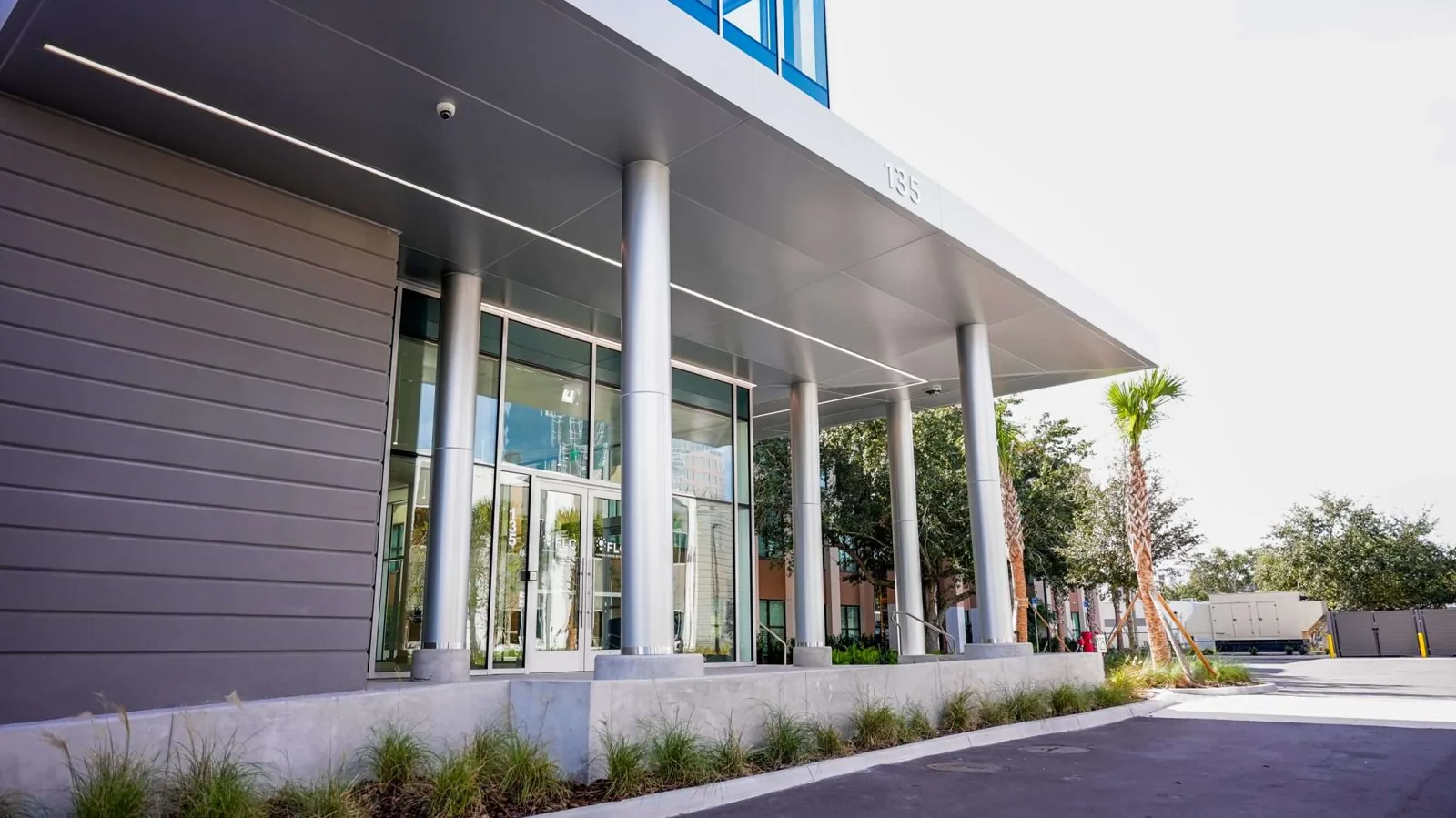
Office Building Roofing
Office roof work affects more than the surface above a tenant suite. Building managers have to coordinate occupants, mechanical equipment, access rules, and communication when an inspection or repair is planned. We document roof conditions by area, connect observations to reported interior symptoms, and outline a work sequence that fits the building's schedule. Across College Station and Bryan, properties range from office and research settings to retail, hospitality, and industrial uses. A roof plan should reflect the specific assembly and occupancy of each building rather than carry assumptions from another property.
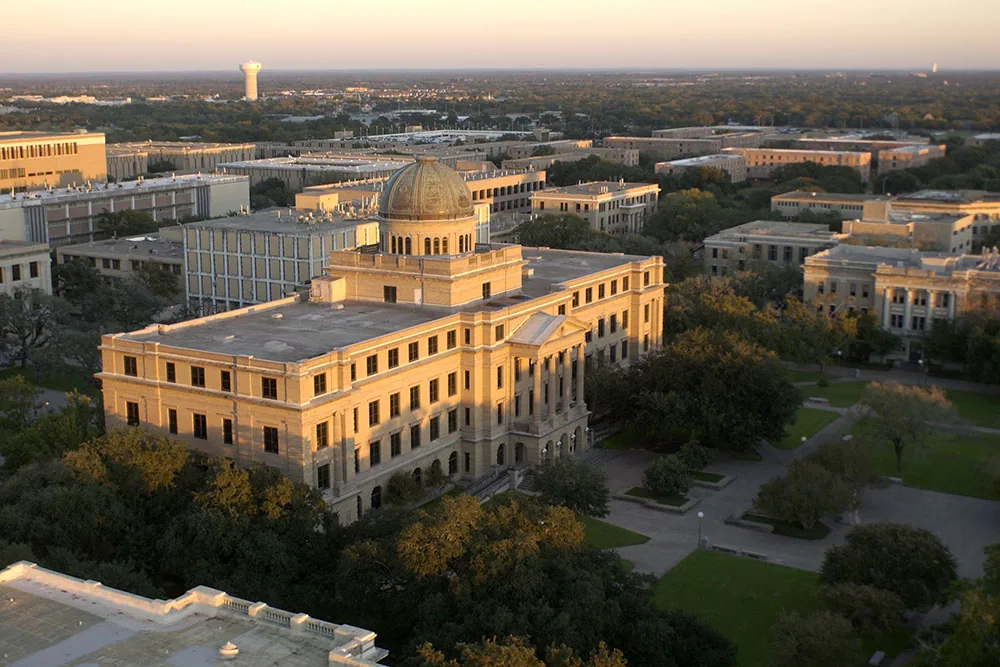
Understand occupied hours and tenant responsibilities
Before a visit, we ask which suites are occupied, where tenants have reported water, when roof access is available, and who should receive updates. Those answers help us arrange keys, escorts, lift locations, and any interior protection. If the building has several tenants, the property manager can help identify areas where access or noise needs additional coordination.
When reports come from more than one suite, we record the date, room, and reported condition separately. That lets the manager compare symptoms without presuming they share a cause. If a tenant needs a specific notification or escort, we can include that requirement in the access plan and identify the management contact who will confirm the visit. Clear responsibilities make the inspection easier to schedule and the findings easier to route.
We document the location of each visible condition and compare it with available plans, prior repairs, and leak dates. A finding above a corridor, conference area, or mechanical room can carry different scheduling implications from a condition over a suite with flexible hours. Clear notes in a roof condition report give ownership a practical basis for repair timing and tenant communication.
Review the roof surface and the details around it
Office buildings often combine membrane fields with rooftop units, exhaust points, skylights, service walks, and perimeter metal. We examine accessible seams, flashing, curbs, penetrations, and drainage, then record areas that need repair or further review. Water can travel before reaching an interior ceiling, so we compare reported symptoms with nearby roof details instead of treating a stain as the exact source.
Where the building has several additions or overlay layers, we note the transitions and identify what can be confirmed from the surface. If water management is part of the report, a targeted drain and scupper review can distinguish a local obstruction from a broader drainage question. We also note roof areas that could not be reached during the inspection.
Set inspection timing with local conditions in mind
College Station's July climate normals show average daily highs beginning at 94°F and reaching 97°F near the month's close. When setting an inspection window, property managers can use the seasonal heat context to plan rooftop access and tenant notices. We record the installed assembly and visible conditions before recommending work.
The National Weather Service recorded an 85 mph gust during College Station's June 3, 2023 destructive thunderstorm. After a reported event, review accessible edges, transitions, and rooftop supports, then compare the observations with the building incident report and repair history.
Select a scope that fits the building's condition
A localized repair may be appropriate when the affected detail is identifiable and surrounding material remains serviceable. Broader restoration or replacement requires a review of roof layers, attachment, drainage, moisture information, and recurring defects. We explain which findings support the recommendation and what remains uncertain, so ownership can compare the scope with capital timing and tenant needs.
System details differ. A modified bitumen assembly has different seams and transitions from TPO or standing seam metal. If multiple options are being considered, our replacement planning can organize work zones, access, protection, and decision points. The assembly on the building, not a system label alone, should guide material and detail choices.
Phase work around tenants and building services
We confirm staging areas, lift locations, roof routes, occupied hours, and notification responsibilities before mobilization. For a larger office roof, dividing work into zones can help keep communication specific and track which areas are open, under repair, or ready for closeout. We agree on temporary protection and the method for reporting weather changes or newly discovered conditions.
If a repair exposes concealed moisture or an unexpected layer, we document what is visible and review the next step with the authorized property contact. This avoids expanding the work without an agreed reason. During phased replacement, a clear handoff identifies completed sections and any remaining transition, helping the management team plan tenant notices and building service access.
Where a manager coordinates multiple floors or suites, identify the area inspected in the roof-side note. Track observation dates, restricted zones, completed work, and unresolved reports in the management record so the next visit can build on the prior handoff.
Coordinate work across College Station and Bryan
College Station plans Midtown Business Park across 252 developable acres, including spaces for manufacturing and light industry alongside corporate, office, commercial, and retail uses. The Bryan and College Station core also has university-linked research and health-science activity, plus hospitality and rail-served industrial uses. Before scheduling work at an office property, share the tenant-access procedures, building hours, and current repair history with the facilities contact.
At about 20 miles, FM 2818 meets SH 6 at its northern and southern ends; the corridor study identifies commercial and residential land uses along the route. We can coordinate property-specific work in College Station or Bryan while preserving separate building histories and access procedures. A portfolio containing a medical office or data center should retain its own operating requirements.
Leave a clear record for management
After the visit, we organize photographs by area, describe work completed, note open conditions, and identify any access or testing limits. The manager can retain those details with service history and use them during the next inspection window. If tenants report another symptom, its date and location can be compared with the roof-side record before a new scope is set.
For portfolios with several offices, consistent location labels support comparison while each building keeps its own assembly notes, access restrictions, and repair sequence. That makes review easier without merging unrelated conditions.
Share the roof plan, repair history, tenant procedures, and preferred notification contact before scheduling. We can review those items with your building team and outline a practical inspection or repair step for an office property in College Station or Bryan.
Commercial Roofing Questions
How should a property manager prepare tenants for roof work?
We confirm the work area, access route, occupied hours, and notification contact with management before mobilization. Your team can then share the timing and any suite-specific access or protection requirements with tenants.
Can you locate a roof leak from an interior stain?
A stain helps identify where to begin, but water can travel before it appears indoors. We review nearby roof details and document what is confirmed, what remains uncertain, and whether testing is needed.
What details do you inspect on an office building roof?
We review accessible seams, flashing, penetrations, curbs, drains, edges, rooftop equipment supports, and transitions between roof areas. The report also notes locations that could not be safely accessed.
Can an office reroof be phased while the building remains occupied?
The sequence can be coordinated around access, tenant schedules, building services, staging, and temporary protection. We define work zones and closeout points with the property contact before the project proceeds.
What should be included in the roof closeout?
A useful closeout identifies areas reviewed, dated photographs, completed work, remaining items, and access limits. Those notes help management connect future reports with the current condition history.
Plan an office roof inspection
Send the roof plan, repair history, tenant access procedures, and preferred notification contact. We can coordinate a College Station or Bryan review around your building's schedule.
Related Roofing Work
Request a Roof Assessment
Tell us about the building, the roof and what you are seeing. We look at leaks, storm and wind damage, aging membranes and planned replacements on commercial properties across College Station, Bryan and Brazos County.