
Medical Office Roofing in College Station, TX
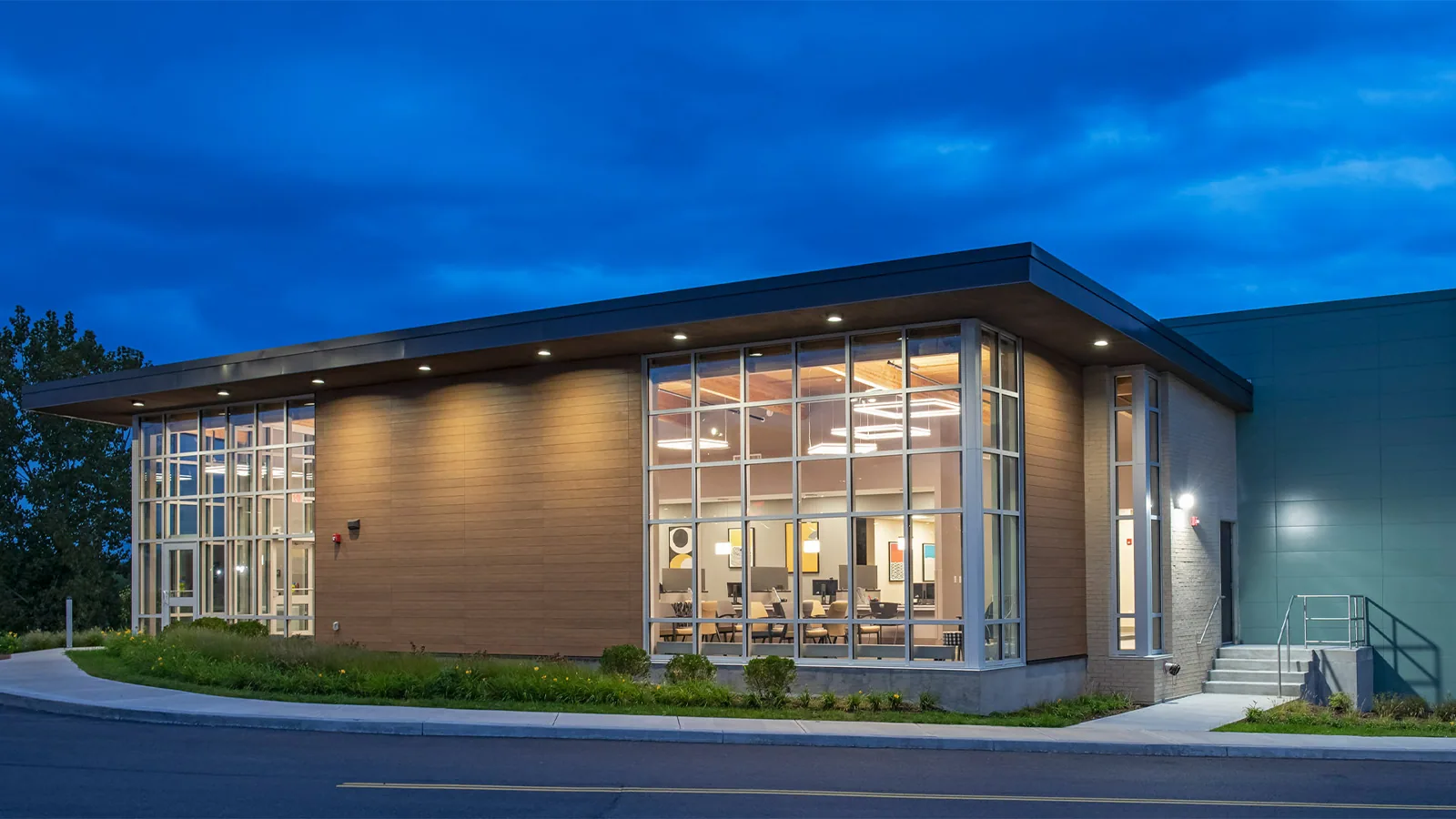
Medical Office Roofing
Medical office roof work has to be coordinated with patient appointments, staff schedules, building access, and rooftop equipment. A reported leak near a clinical room or waiting area deserves clear documentation, but the source should be confirmed before a repair is selected. We review accessible roof details, compare them with the location and timing of reported symptoms, and coordinate the next step with your facilities contact. In College Station and Bryan, the broader market includes health-science and research space alongside offices, retail, hospitality, and industrial properties. Each medical office needs a property-specific condition record and work sequence.
Coordinate around patient and staff movement
Before an inspection, we ask which areas are occupied, when patient traffic is heaviest, and which entrances or service routes need to stay clear. Your facilities lead can identify roof-access procedures, escort requirements, areas needing interior protection, and the contact who will receive field updates. That conversation helps us schedule a practical inspection window without assuming every room or service has the same access requirements.
We also confirm how the building handles notice to occupants and who can authorize a change if access must shift. When work is planned, the facilities team can identify areas where equipment, materials, or a temporary protection step should not interfere with routine movement. Those details belong in the sequence before the crew arrives, not as a field assumption.
If several rooms report water, we record each location and date separately. The roof review then considers nearby drains, penetrations, curbs, seams, and transitions, rather than linking all symptoms to a single visible detail. A condition report can keep photographs, observations, and open questions together for the next maintenance review.
Review roof details near mechanical systems
Medical office roofs may have multiple mechanical units, exhaust points, piping, skylights, and service paths. We inspect accessible flashing, curbs, seams, perimeter metal, and adjacent membrane, noting movement or water conditions that merit follow-up. Where reports identify a damp ceiling, we compare the room location with roof geometry and document whether the likely path is confirmed or still uncertain.
We ask whether specific rooms have unusual scheduling or equipment needs that should shape the inspection path. If a roof detail sits above a controlled area, the report can identify the observed point and coordinate any additional review with the facilities contact. That keeps roof-side findings connected to building operations without making assumptions about clinical use.
Drainage deserves a separate look if water remains near a curb or roof transition. A focused drain and scupper review can help distinguish a blocked opening from a connection or slope concern. If an area cannot be accessed safely or is restricted by equipment, we record that limit and what additional access would be needed.
Use local conditions as context for scheduling
The July 1991 to 2020 climate normals for College Station place the average daily high between 94°F at the start of the month and 97°F at month's end; the mean high is 95.4°F. We can use the seasonal pattern to coordinate a practical roof-access window with your facilities contact while reviewing rooftop equipment and the installed assembly.
The National Weather Service documented hail of 1 to 2.75 inches in Bryan and College Station during the April 8, 2021 storm. After a reported event, record the affected roof areas and compare accessible edges and penetrations with the location and timing of interior reports. Include findings in the property maintenance record.
Make the recommendation fit the observed assembly
A defined repair may be appropriate when the defect is local and surrounding material remains serviceable. Broader restoration or replacement needs a review of existing layers, attachment, moisture information, drainage, and recurring conditions. We state what was observed, what could not be confirmed, and why the recommended scope fits the available evidence.
Different systems require different detail work. A PVC assembly has its own seams and flashing considerations, while other membranes or metal roofs require different transitions. If capital work is being considered, our replacement planning can organize roof zones, access, and interior protection so management can review the sequence before construction begins.
Set a work sequence the building team can manage
Before mobilization, we confirm staging, roof routes, work hours, protected spaces, and the person authorized to make field decisions. Medical offices may need advance notice for changes near entrances or service areas. A phased plan can identify which roof zone is active, what temporary condition needs attention, and when a section is ready for closeout.
If concealed moisture or another roof layer appears, we document the condition and review the next step with the facilities contact before expanding the scope. This keeps work aligned with building operations and avoids leaving the management team without a clear status. Daily notes can identify access completed, open items, and any communication needed before the next phase.
Coordinate service across College Station and Bryan
The local economy includes health-science and university research activity alongside office, retail, hospitality, manufacturing, and rail-served industrial properties. College Station's Midtown plan reserves 252 developable acres for retail and commercial space as well as offices, manufacturing, and light-industrial uses. When planning a visit, share the medical office's patient schedule, access rules, and equipment-service windows with the facilities contact.
The MPO's FM 2818 study describes an urban corridor connecting north and south SH 6 across about 20 miles, with residential and commercial land uses along it. If your group manages a general office property and a hospital building in College Station, keep roof access procedures and inspection findings attached to the correct property record.
Give facilities a useful follow-up record
After the inspection or repair, we organize photographs by roof area, list completed work, and identify open conditions or access limits. If a symptom returns, the date and room can be compared with the recorded roof location. That history helps the facilities team decide whether to monitor a detail, schedule another review, or consider a broader capital scope.
For a multi-location practice, the record can retain consistent labels while preserving the unique access rules and assembly details for each office. A manager can compare open items across properties without merging different leak histories or repair decisions. This is useful when a maintenance calendar covers several buildings with different patient hours.
Share available roof plans, prior repair notes, access procedures, and the building's preferred work windows before scheduling. We can review those details with your College Station or Bryan facilities contact and outline the next practical step.
Commercial Roofing Questions
How do you schedule roof access around patient appointments?
We coordinate with your facilities contact on occupied hours, access routes, staging, and areas that need protection. The inspection or repair sequence can then be planned around the building's operating schedule.
Can you investigate a leak reported in a clinical room?
We document the room and report date, then compare them with accessible roof details above and around that location. If the source is not confirmed, we identify what additional access or testing would help.
What roof details are reviewed near HVAC equipment?
We inspect accessible curbs, flashing, seams, penetrations, supports, and nearby membrane. Any restricted or inaccessible point is listed so the report distinguishes observed conditions from open questions.
Can medical office roof repairs be phased?
Yes, when the building and roof conditions support it. We coordinate work zones, temporary protection, access, and closeout points with the facilities lead before moving to another area.
What information helps compare repair and replacement?
Roof plans, repair history, leak reports, drainage observations, and available moisture information help frame the decision. We explain what the inspection supports and identify any remaining uncertainty.
Coordinate a medical office roof review
Share roof plans, prior repair notes, access procedures, and patient-hour constraints. We can coordinate a College Station or Bryan inspection with your facilities contact and document a practical next step.
Related Roofing Work
Request a Roof Assessment
Tell us about the building, the roof and what you are seeing. We look at leaks, storm and wind damage, aging membranes and planned replacements on commercial properties across College Station, Bryan and Brazos County.