
Commercial Roofing for Logistics and 3PL Operators in College Station, TX
Logistics and 3PL Operators
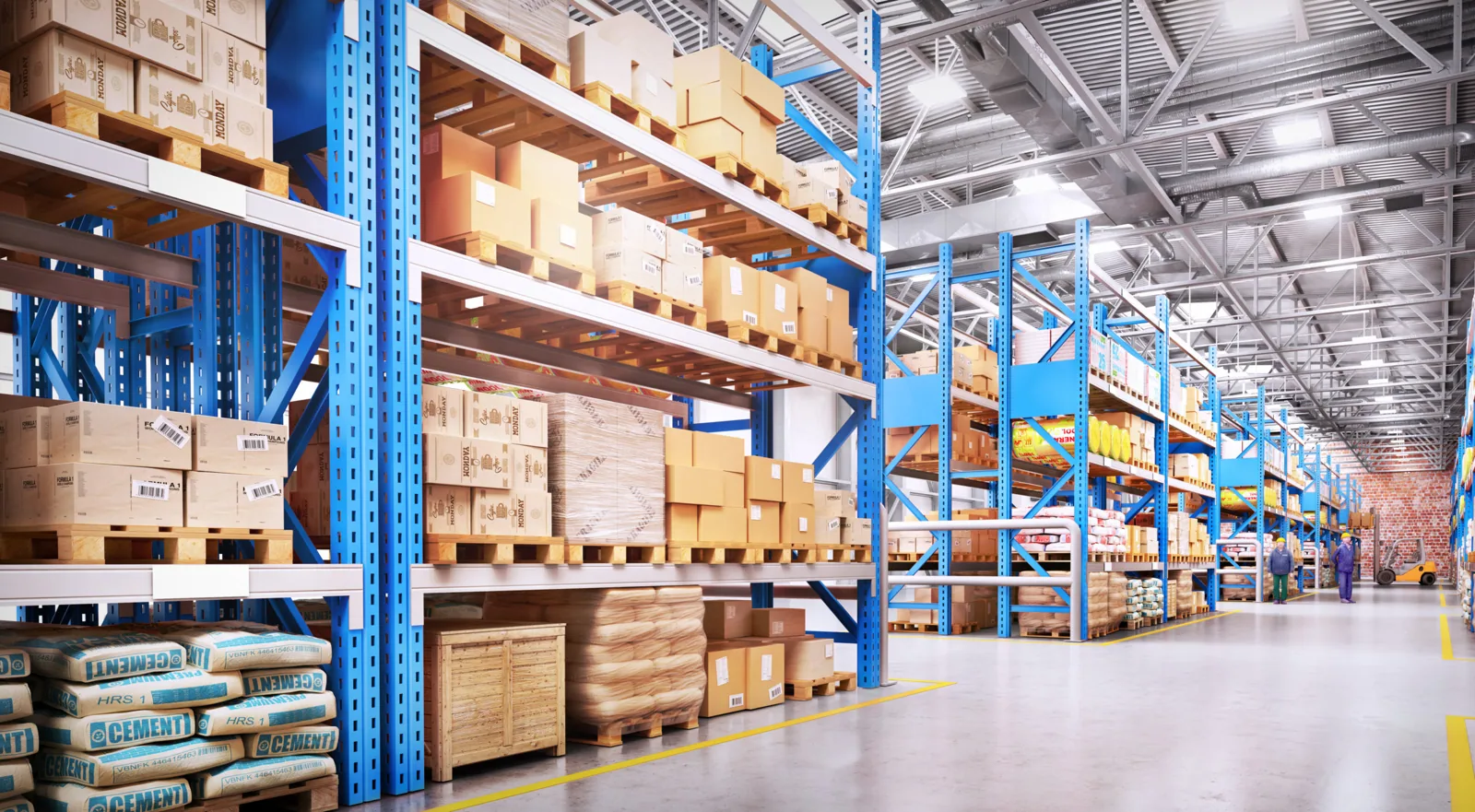
Freight schedules depend on doors, staging lanes, inventory locations, and people who know which routes must stay open. Roofing work at a College Station, TX logistics property has to fit that movement and protect goods beneath the roof. We identify the roof areas, drains, seams, penetrations, and loading-side details that need attention, then plan access so crews and deliveries do not compete for the same space. A clear roof record helps operations separate a localized leak from a larger condition that could disrupt multiple zones.
Before a visit, share dock schedules, shift coverage, security procedures, and any stored product that needs protection. We can set a roof route and staging plan with the operations contact and keep findings tied to the warehouse area below. Manufacturers managing freight alongside production can coordinate through a plant roofing work plan that includes process restrictions.
Keep docks and roof access in sequence
Loading areas can become congested when lift equipment, deliveries, and material staging arrive at once. We confirm where a lift can set up, what lane must remain open, when trailers or trucks cycle through, and how crews reach roof hatches. If work must occur near a loading bay, the plan identifies pedestrian controls, overhead protection, and the person who can pause work when traffic conditions change. The roof sequence should respect outbound cutoffs as well as receiving windows.
Inside, inventory may move between aisles as orders are picked or cross-docked. We ask which sections contain sensitive goods, whether temporary relocation is possible, and how staff can report a new water symptom. A roof inspection can be staged by zone so the site team knows where work is active and what area is ready to reopen. The occupied-building reroof sequence can help define temporary protection and handoff points when operations continue below the crew.
Inspect the details that serve the building
Wide roof areas can hide a local defect until water reaches a rack, packing line, or electrical point. We inspect accessible seams and membrane, but also examine drains, scuppers, expansion joints, roof edges, skylight transitions, and penetrations near mechanical service zones. If an interior report is mapped to a bay or aisle, we compare it with the roof layout and likely water paths. The report states whether an opening was observed, whether the cause remains uncertain, and what further access would resolve it.
Drainage needs particular attention where debris, packaging residue, or maintenance activity can affect inlets. We note standing water, obstructed routes, loose components, and any evidence that warrants follow-up. The goal is a practical list that operations can pair with housekeeping and building maintenance, not a broad diagnosis based only on building size. A drain and scupper service can address a defined drainage issue, while a separate inspection can assess the surrounding roof assembly.
Connect freight geography to roof planning
Bryan and College Station share a regional commercial area with research, office, retail, hospitality, manufacturing, and rail-served industrial properties. Hearne, north of the two cities, draws freight access from SH 6, US 79, US 190, and two rail lines. Those routes matter to logistics operators planning regional service, yet each building still needs an individual review of roof configuration, inventory exposure, and access. A visit in Hearne’s commercial service area can be coordinated with the local site contact and documented separately from College Station work.
FM 2818, also known as Harvey Mitchell Parkway, links commercial and residential destinations through the urban area. A logistics group with facilities across this corridor can consider grouping visits where operating schedules allow, but we plan each building independently. The roof on a cross-dock, a last-mile facility, and a storage building may have different drainage, loading, and equipment demands. A portfolio operations record can help managers track work orders across addresses while preserving the specific findings for each roof.
Choose work by zone and consequence
A targeted repair makes sense when the defect is localized, the surrounding assembly is sound, and the work can be completed without creating a larger interruption. Repeated leaks or moisture across adjoining areas may require review of insulation, attachment, and existing roof layers. We describe whether repair, restoration, recover, or replacement is appropriate and explain the operational sequence attached to each option. For larger projects, roof replacement planning can divide the work into zones with agreed temporary protection and reopening points.
Cost and timing depend on details such as roof height, access, material movement, occupied conditions, existing layers, and whether equipment or inventory must be protected. We identify those drivers in the scope so the operations lead can compare a limited repair with a phased capital project. When a leak is active, our emergency service is available at any hour, including weekends and holidays. The first response can focus on limiting water entry and recording affected areas, then operations can schedule broader work when the evidence is clear.
Some properties have separate operating teams for dock activity, security, inventory, and building maintenance. We confirm which person can close a lane, approve roof access, or accept a temporary protection plan before mobilization. If crews find a concealed condition, the field lead contacts the designated decision-maker and records the affected zone before changing scope. That keeps a small repair from expanding into an unreviewed work area and gives operations a clear basis for deciding whether the next phase can proceed.
Leave a record operations can use
Closeout photographs should identify the roof zone, loading or storage area below, and work completed. We note materials used, drainage or edge conditions left open, and any area that the crew could not reach. The operations team can compare those notes with shipment dates, inventory movement, and maintenance calls if another symptom appears. Keeping the roof record connected to the site map makes later dispatch easier because the next contact can identify the affected bay without starting from a vague description.
Hail has affected Bryan and College Station during severe weather, which makes a post-event review procedure useful for exposed roof assets. It does not mean damage occurred at every logistics building. We document visible impact, displaced accessories, punctures, and reported interior effects, then prioritize any condition that threatens inventory or active operations. A hail condition review may be paired with a storm response repair when a specific opening needs prompt attention.
Store the final photos with the work order and include a site map or a short description of each zone. If an interior report recurs, this makes it easier to compare its location with the repair boundary and determine whether the next call concerns the same detail or a separate roof area.
Commercial Roofing Questions
Can roof work happen during active loading?
Often, with an agreed work zone, lift location, traffic plan, and communication contact. We coordinate around the loading schedule and identify any lane or bay that needs temporary control.
How should we report a leak over stored goods?
Note the aisle or bay, time, active water status, and inventory or equipment below. That helps us compare the report with accessible roof details and plan interior protection.
Can inspection be divided by warehouse zone?
Yes. We can document roof areas and coordinate the route with site operations, then identify what was reached and which sections need another window.
What can delay a logistics roof project?
Access limits, freight traffic, weather, material staging, occupied areas, existing roof layers, and equipment restrictions can affect sequence. We review these conditions before setting dates.
What happens after a storm report?
We prioritize active water entry and visible conditions that affect operations, inspect safe roof areas, and document repairs or follow-up needs by zone.
Fit roof work to the freight schedule
Send the dock calendar, access rules, roof plans, inventory concerns, and recent service records. We will coordinate a visit around the operating flow and document work by zone.
Related Roofing Work
Request a Roof Assessment
Tell us about the building, the roof and what you are seeing. We look at leaks, storm and wind damage, aging membranes and planned replacements on commercial properties across College Station, Bryan and Brazos County.