
PVC Roofing in College Station, TX
PVC Roofing
Chemical exhaust near PVC can influence the roof decision for a College Station, TX commercial property with kitchens, laboratories, or process equipment. We inspect the membrane and flashing where vapors, oils, or service traffic could affect the surface, then compare those observations with the operating calendar and leak history. College Station's targeted growth sectors include life sciences, animal health, energy technologies, biotechnology, and professional services. That mix makes equipment access and work timing part of the assembly review, while the actual roof condition sets the repair boundary.
The region recorded hail during the April 2021 Bryan and College Station storm and an 85 mph gust in a June 2023 severe thunderstorm. Those events make a dated condition check relevant without diagnosing an individual roof. A roof assembly inspection can connect current findings to maintenance records before a scope is priced.
Match the Membrane to Roof Exposure
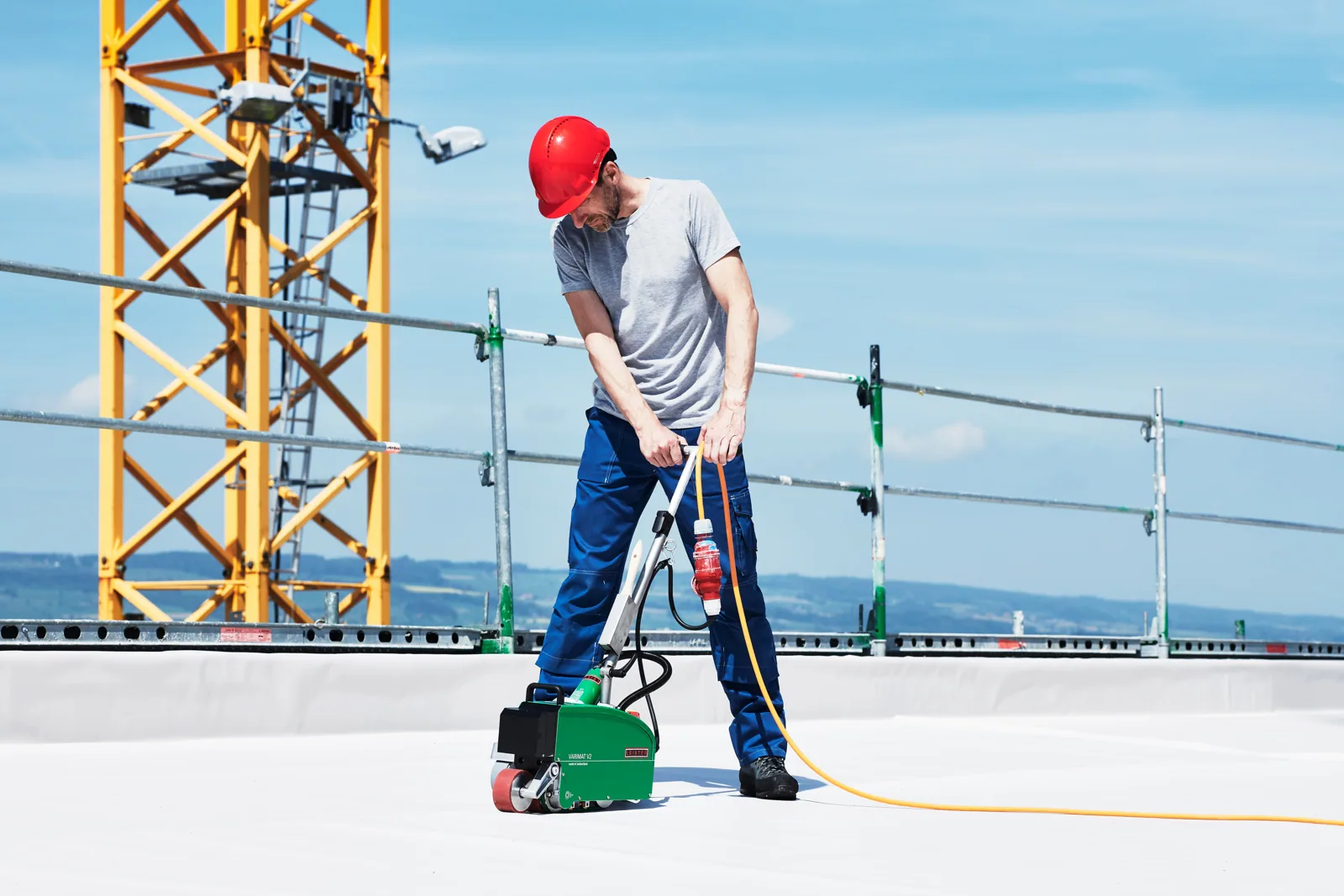
PVC is a heat-welded thermoplastic membrane whose formulation can suit roofs where grease or certain chemical exposures need consideration. The product and exposure still have to match; we review the system data and the actual exhaust or process condition before recommending it. We record where discharge points sit, whether residue has collected, and which flashing or seam details need a closer look. If a process change is planned, the owner can review that information before it changes the roof assembly or maintenance interval.
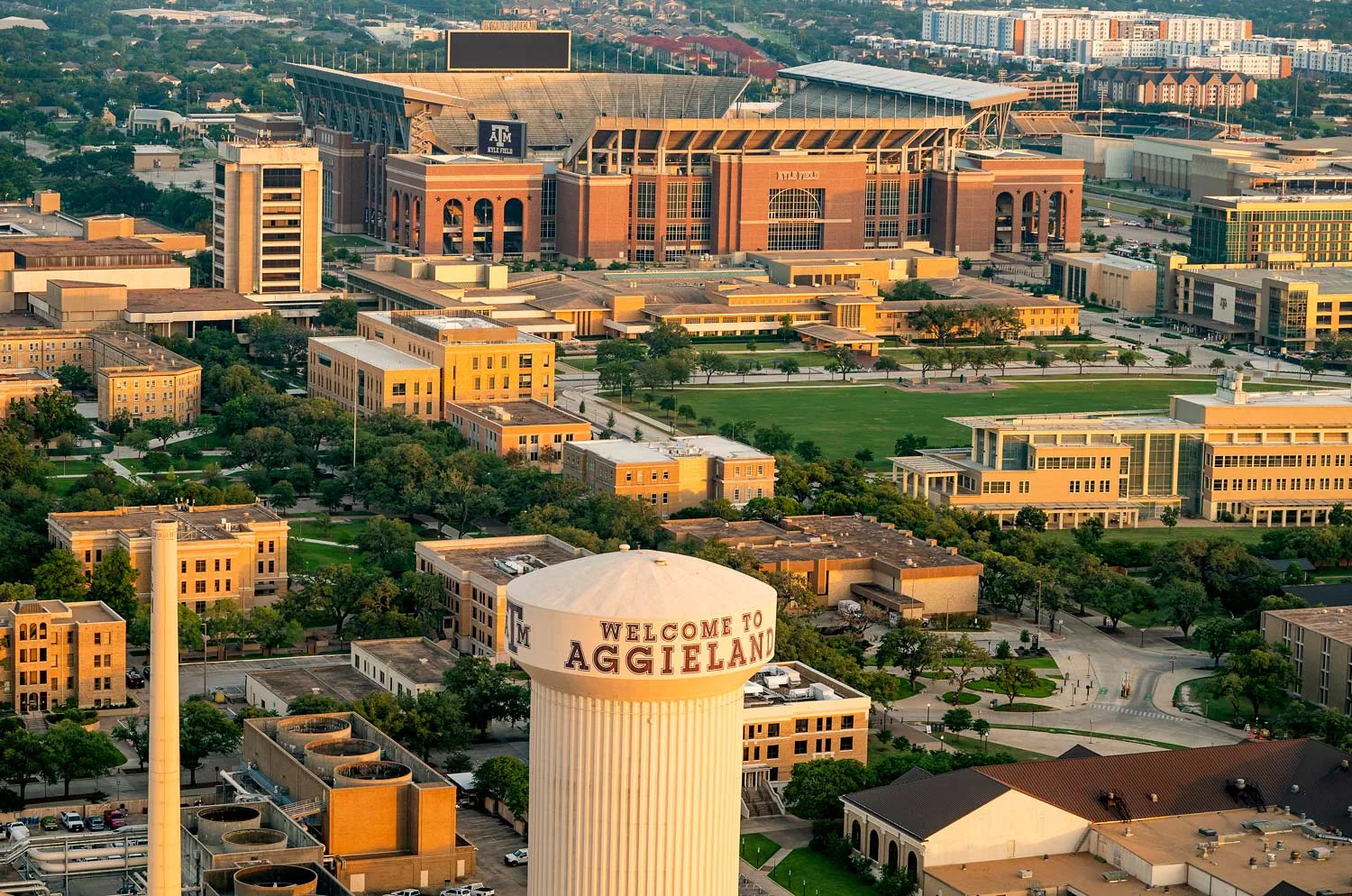
In College Station, research and technology users sit alongside office, retail, hospitality, and light-industrial property. A building's use does not tell us its roof condition, so the field review checks visible surface change, seams, drains, and transitions directly. Where chemical cleaning or equipment service occurs near the roof, we coordinate the access window and identify any maintenance practice that could damage the membrane. A KEE membrane option can be reviewed when the design team wants to compare related membrane chemistry and service requirements.
Inspect Welds and Field Transitions
Heat-welded seams need continuous fusion with enough material overlap and a clean surface. We look for skipped welds, fishmouths, edge lift, patches, and separation where the membrane meets a curb, wall, or drain. A probe can help assess an accessible seam, while a test opening may be needed to understand the layers below. We map a single defect separately from a repeated pattern, since repeated failures may change the repair scope and the inspection interval.
Roof additions can leave different ages or substrates beneath one connected membrane field. We check transitions, terminations, and changes in elevation where movement or prior patching may concentrate stress. If a seam repair is proposed, the scope identifies preparation, membrane compatibility, and the area to be protected during welding. For broader field failures, a membrane repair plan can separate immediate openings from work that requires more testing.
Keep Equipment Service Paths Usable
Rooftop exhaust, HVAC units, conduits, and process piping create penetrations that need flashing and clear maintenance access. We inspect curbs, pitch pockets, support blocks, and service routes for open joints, ponding, or damage from repeated foot traffic. If an equipment move is necessary, we note the mechanical coordination and the roof detail that must be restored afterward. The plan records which contact releases access and what shutdown time is available before the roofing crew arrives.
The roughly 20-mile FM 2818 route meets SH 6 at both ends and passes through areas with both businesses and homes. For a PVC project near Harvey Mitchell Parkway, confirm lift access, delivery routes, and loading rules with the property contact before scheduling the crew. A curb and support survey can record details that need trade coordination, while nearby membrane and wall transitions receive the same careful review.
Review Edges After Severe Wind
College Station measured an 85 mph gust during the June 3, 2023 destructive thunderstorm. The event gives facility staff a reason to compare dated roof photographs with present edge attachment, corners, terminations, and curb flashing. We look for displaced metal, lifted membrane, open seams, and water entry, then mark each location by roof zone. The regional measurement does not establish damage at a particular building, so the current survey guides repair or testing.
Edge conditions can be less visible from the roof field than from a perimeter review. We inspect accessible fascia, coping, and terminations and note any section that needs lift or underside access. The condition history should also capture prior repairs and any moisture findings following an event, so the next survey can revisit the same details. A perimeter metal review can document attachment and transitions alongside the membrane assessment.
Set the Code and Capital Assumptions
Permit planning in College Station now uses the 2024 International Building Code and 2024 IECC, which took effect January 1, 2026. For commercial or multifamily energy design, the submittal also includes a 2024 IECC COMcheck report; the designer should confirm the package before an assembly is released for construction. We capture those assumptions, identify the designer's review items, and keep code-related allowances separate from field repair quantities.
A repair may suit isolated damage where the surrounding PVC remains secure and compatible. Recover requires dry, attached layers and suitable transitions; widespread wet insulation, failed attachment, or deck concerns may support replacement. We compare options with the same roof map and identify which test result could change the price or schedule. A TPO system review can help the owner compare a different thermoplastic assembly where the exposure supports it. A replacement evaluation can then price removal and access against the tested limits.
Protect Production During the Work Window
A roof opening over a research, laboratory, or manufacturing space may interrupt work below if access and weather closure are not coordinated. We identify the area that can be released, the equipment that remains live, and the time available to weld, inspect, and close each section. Material staging and debris routes are set before tear-off begins. If a delivery schedule or test result changes the work area, we update the handoff point and record the decision.
The estimate separates membrane, insulation, edge details, curbs, drain corrections, equipment access, and protection below the active section. That gives the asset manager a way to compare an evening shift or phased sequence with a larger planned shutdown. The occupied-building plan can help set daily boundaries, and a College Station field review can begin with the roof plan, condition history, access needs, and capital timing.
Commercial Roofing Questions
When should PVC be considered near kitchen or process exhaust?
The exposure should be identified first, including discharge location, residue, and cleaning practices. We compare the membrane's product data with the observed conditions and inspect nearby seams and flashing before treating PVC as a suitable option.
What does a weak PVC weld look like?
A probe may find an edge that lifts, a skipped area, or a poorly fused patch. We map the defect and nearby transitions, then check whether the problem repeats before setting the repair limit.
Did the 2023 gust damage PVC roofs in College Station?
The local record documents a severe gust, while each building requires its own inspection. We review edge attachment, corners, seams, and interior reports and compare them with dated records before recommending repair or further testing.
Can existing PVC be recovered?
That option requires dry, attached layers and compatible details at edges, curbs, drains, and transitions. We identify test areas and design review items so the owner can compare an overlay with removal on a consistent basis.
Which site records help scope the work?
Prior seam repairs, leak dates, process or exhaust changes, roof drawings, and occupied hours help connect the survey to operations. We use them to plan access, testing, material staging, and a maintainable closeout record.
Review PVC Details and Exposure
Share the roof plan, seam history, leak records, process or exhaust details, equipment-access needs, occupied hours, and capital timing. We can document the assembly and prepare a field-based scope.
Related Roofing Work
Request a Roof Assessment
Tell us about the building, the roof and what you are seeing. We look at leaks, storm and wind damage, aging membranes and planned replacements on commercial properties across College Station, Bryan and Brazos County.