
Commercial Roof Repair in College Station, TX
Commercial Roof Repair
Operating distribution, research, and manufacturing properties in College Station, TX need repairs that correct a roof defect and fit the hours the building can release the work area. A loose seam, split flashing, puncture, or obstructed drain can each produce water entry, yet they call for different materials and preparation. We document what is present before selecting a repair method, then tie each recommendation to its location and recurrence history. A portfolio manager responsible for a distribution building near the SH 6 and FM 2818 network may need loading routes kept open while the roof is accessed. We coordinate that detail with repair limits, not as an afterthought.
Find the failure point
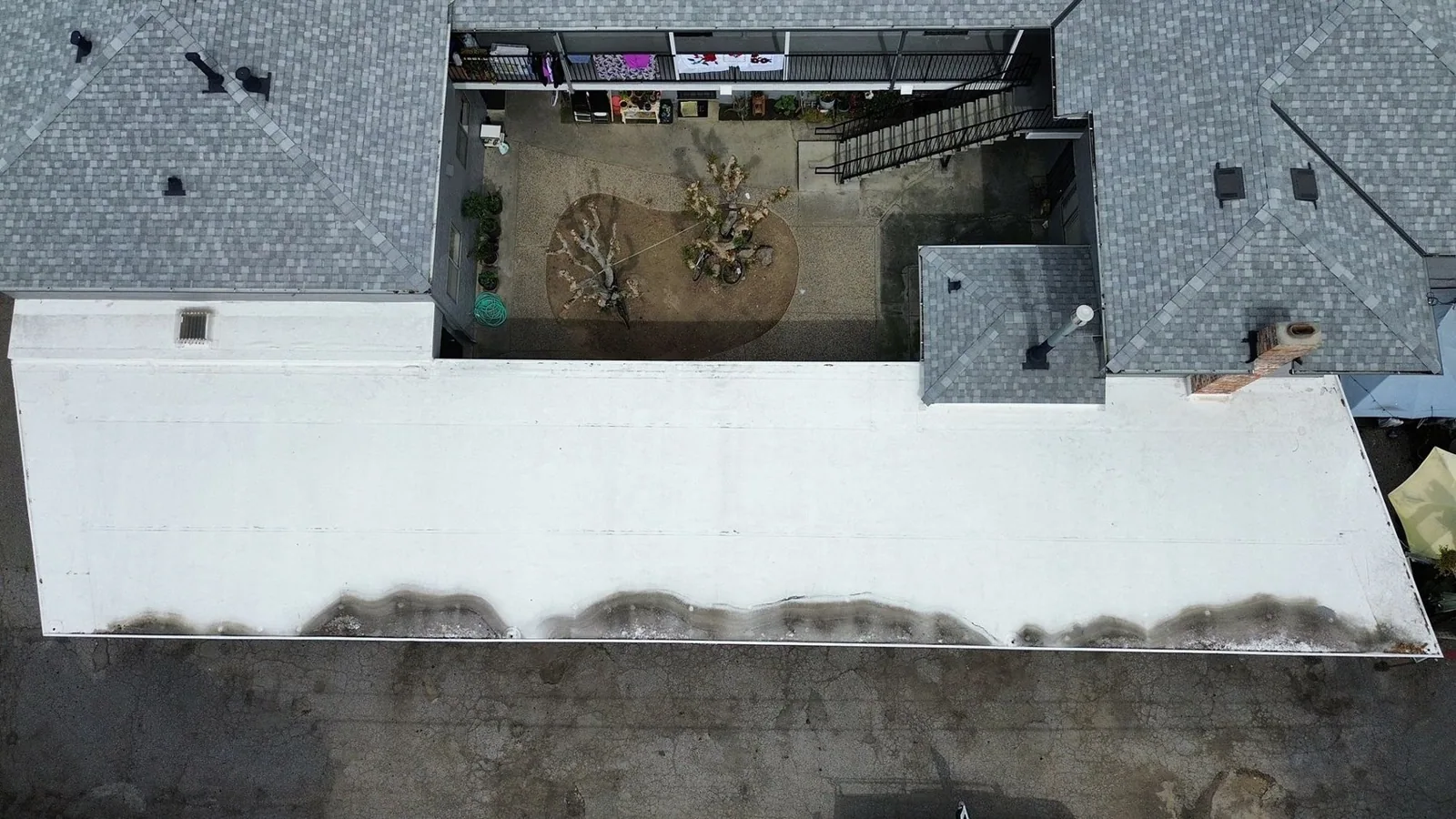
Water can travel along insulation, deck flutes, framing, or piping before it reaches the interior. We start with the reported stain or wet area, then inspect the roof field and nearby transitions that can admit water. Common repair candidates include open membrane seams, punctures, worn patches, failed flashing at curbs, loose edge details, and drain connections that no longer shed water. The mark on a ceiling is evidence of an interior symptom, not an automatic map of the opening above it.
Our Diligence Notes identify the material type, extent of separation, nearby penetrations, and any conditions that could complicate a repair. A heat-welded membrane needs clean, prepared surfaces and a compatible patch detail. A coating or asphaltic roof calls for a different repair approach. We record whether the area is dry, damp, or actively admitting water and note weather conditions during the visit. That supports a clear choice between a localized seam repair, a flashing correction, further investigation, or a larger section of replacement.
Repair the roof system in place
The repair detail has to match the assembly. On a TPO or PVC membrane, we prepare the surface and weld or patch the material in keeping with the system. EPDM, modified bitumen, built-up roofing, and standing-seam metal each require their own compatible repair method. We check that the repair bonds or fastens to sound material, that water can pass the adjacent drainage path, and that the finished detail does not create a raised edge that catches debris.
For a rooftop curb or pipe, the surrounding flashing often matters as much as the field membrane. We inspect the curb base, corners, sealant, and counterflashing, and we note whether equipment movement or vibration may affect the detail. A drain repair includes the bowl, clamping area, and water path to the outlet. At the perimeter, we inspect edge metal and attachment where wind can work on loose or lifted materials. If the roof surface has extensive deterioration or moisture beneath it, we explain why a patch may only address a limited area and compare it with a broader remedy.
Fit the visit to live operations
A repair visit can affect roof access, HVAC service, tenant routes, and work happening below the repair zone. We confirm the roof access point, equipment-clearance needs, occupied hours, and any required escort or roof permit with the property contact. For a manufacturing or research space, a short work window may be preferable near sensitive equipment or production changeovers. For retail and hospitality premises in the College Station service hub, customer entry and delivery schedules may influence where ladders and materials can be staged.
FM 2818 and Harvey Mitchell Parkway connect commercial and residential destinations across the Bryan and College Station urban area. At sites along that route, street-side staging or service access may need coordination with the facility contact. We note the approved path to the roof, material carry distance, and whether the repair can be completed in one visit or needs a return under dry conditions. Emergency response is available through nights, weekends, and holidays, and planned repairs can be scheduled against the asset operating calendar. The site contact receives a clear account of what will be opened, protected, and closed during the work.
The repair detail should leave a record another technician can use. We identify the patch boundary, material compatibility, cure or weld conditions, and any adjacent detail that was not included. If the defect returns, those notes make it possible to compare the new condition with the earlier work instead of starting the diagnosis again. A recurring or fast-moving opening may call for a time-sensitive response plan alongside planned repairs.
Read local exposure with the roof record
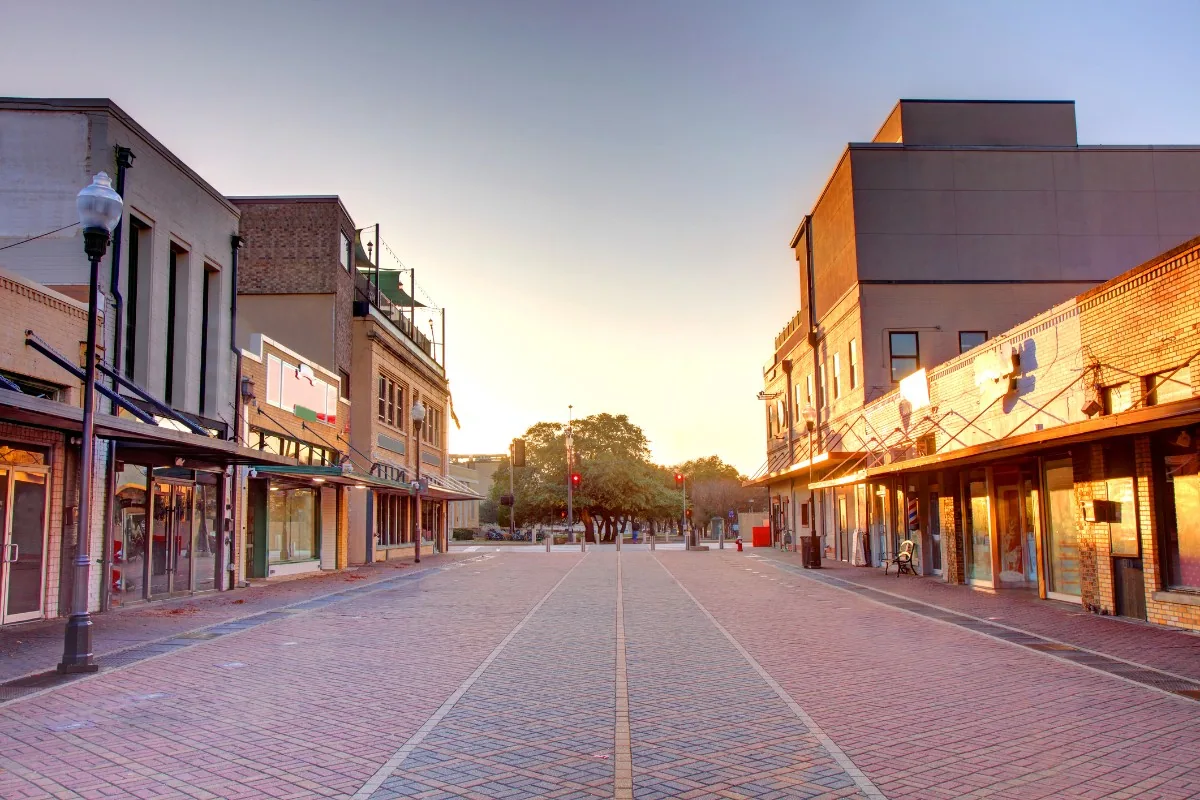
Local operating patterns shape when a planned repair can be completed. College Station serves as a regional retail and service hub, so a property contact may need to protect customer entry, delivery paths, or parking while a crew works overhead. On a distribution or manufacturing roof, the priority may instead be keeping loading and production movements clear. We identify the active route, the area below the repair, and the person who can release access before materials are staged.
Repair selection still follows the defect rather than the property category. A seam separation calls for sound, prepared membrane at the weld or patch boundary. A curb leak needs compatible flashing and a check of nearby penetrations. At a drain, we confirm the outlet and surrounding connection so the repair does not leave a new low point. The closeout note identifies the method and any related condition that remains for a later visit.
Track what the repair changes
A useful closeout note identifies the repair location, roof material, observed failure, method used, and any remaining condition that needs monitoring. We attach photographs where they clarify the repair boundary and relate the work to previous leak calls. If the same seam or curb has needed repeated attention, the record can flag that pattern for a broader condition review. It should also distinguish a completed repair from a temporary measure so maintenance staff know what remains outstanding.
Bryan and College Station span office, light industrial, manufacturing, research, retail, and hospitality properties across a broad municipal service area. A multi-property manager can use consistent repair notes to compare current findings across separate buildings without treating similar calls as identical roofs. We can organize the photos, condition notes, and recommended follow-up in a roof condition report. If moisture extent remains uncertain, an infrared or test-cut survey may add evidence before a repair is expanded. The next capital review then starts with observed change, not a guess based only on the date of a leak.
Commercial Roofing Questions
Can a repair stop water entry the same day?
An active opening can often be stabilized during the initial response, but a permanent detail depends on safe access, compatible material, and suitable surface conditions. We identify what was made watertight and note any follow-up work needed. That distinction matters if rain returns before a permanent repair is complete.
How do you separate a seam problem from wet insulation?
We inspect the visible seam and surrounding roof, then use additional investigation where the assembly may hold moisture. A surface defect and a wet substrate are separate findings that can exist together. We document their locations so the repair does not cover a condition that needs removal or further review.
What should an asset manager send before a planned repair visit?
Prior leak locations, roof plans, repair invoices, current photographs, occupied hours, and equipment-access limits help us prepare. We compare that history with the field condition and flag any discrepancy. Access windows and roof permits should be identified early because they affect the repair sequence.
Do storm reports determine whether my roof needs repair?
A regional report provides timing and context, while a property recommendation requires field evidence. We inspect for displaced edges, punctures, impact marks, open seams, and interior water entry. The work scope follows those observations rather than assuming every nearby building sustained damage.
When does recurring repair point to a larger project?
Repeated failures across multiple areas, widespread moisture, or a roof assembly that no longer holds compatible patches can support a broader scope. We compare the repair log with current findings and explain whether another localized correction is useful. If a larger review is warranted, the condition record can help place it in the capital cycle.
Coordinate a repair review
Share repair history, occupied hours, roof access requirements, equipment needs, and any active leak locations. We can inspect the assembly, define the repair boundary, and plan the work against your operating calendar.
Related Roofing Work
Request a Roof Assessment
Tell us about the building, the roof and what you are seeing. We look at leaks, storm and wind damage, aging membranes and planned replacements on commercial properties across College Station, Bryan and Brazos County.