EPDM Roofing in College Station, TX
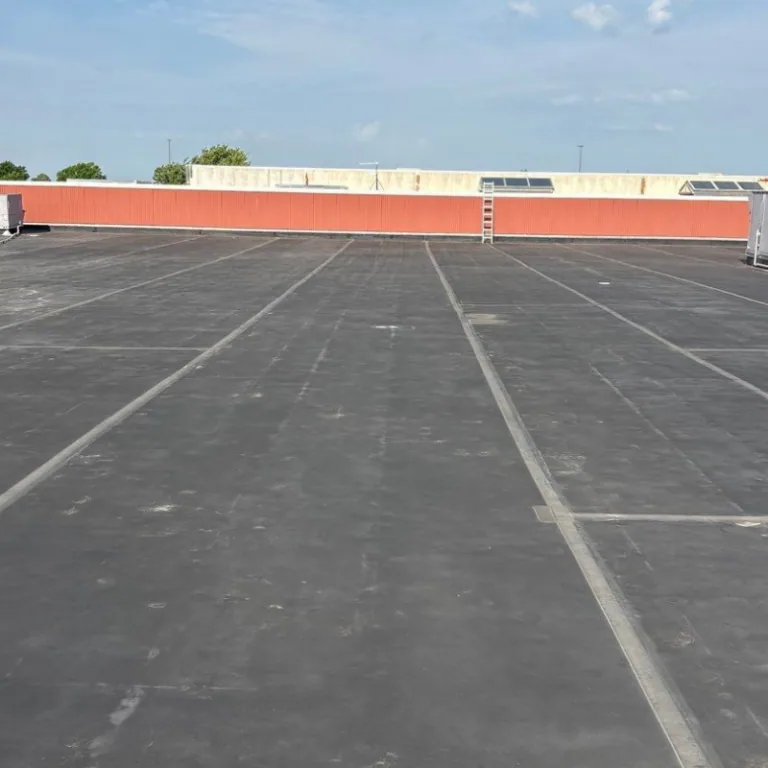
EPDM Roofing
Single-ply roof decisions on College Station industrial and office properties depend on how the EPDM field, seams, and edge details have held up together. We inspect the membrane for splits, punctures, open laps, shrinkage, and patch history, then connect each finding to the building's use and access needs. The Bryan and College Station core includes manufacturing and rail-served industrial property alongside research, health-science, office, retail, and hospitality uses. A written condition map helps the facilities team separate an active repair from testing or capital work without assuming every section shares the same condition.
Summer heat and severe storms shape the timing of a useful survey. College Station's July mean high is 95.4°F, and an EF-2 tornado east of Bryan in 2019 damaged commercial buildings and warehouses. Those regional facts give context to seam and attachment checks; the roof itself sets the recommendation. Our hands-on inspection records what needs attention and which areas need closer review.
Check Adhesion at Seams and Patches
EPDM seams commonly rely on adhesive or seam tape, so a field review looks at bond condition, contamination, edge lift, and how earlier repairs meet the original sheet. We probe accessible laps, inspect patch corners, and check whether dirt or moisture has compromised the contact area. A lifted edge needs a repair suited to the membrane and seam detail, not a cover layer that bridges loose material. The report ties each defect to a roof zone so maintenance staff can compare the next visit with the same location.
Repairs from different service periods may use different materials or preparation methods. We photograph the patch and surrounding sheet, then identify whether the repair appears isolated or sits within a wider pattern of separation. If adhesion varies across the roof, the owner may need test openings or a larger assembly review before budgeting a recover. A recover assessment can evaluate attachment, moisture, and compatible transitions before an overlay is treated as a viable option.
Locate Wear, Punctures, and Movement
Black EPDM surfaces can show scuffs, cuts, punctures, loose flashing, or movement at terminations. We inspect high-traffic routes to HVAC equipment and areas where tools, fasteners, or service work may have contacted the sheet. Rooftop units, pipes, and supports can create repeated access paths, so the condition record notes where walk protection exists and where maintenance could use a clearer route. We also compare visible changes with maintenance logs rather than treating wear as a reason to remove the entire system.
Temperature movement and building movement can stress transitions at parapets, curbs, and roof additions. We look for tension, separated corners, loose termination bars, and sealant that no longer bridges a joint. If a detail is concealed or cannot be safely reached, the report names the missing access instead of assigning a repair from a distant view. A cover-board review can help assess the substrate and protection layer when surface damage raises a question about what lies below.
Use Storm Records to Guide the Walk
The 2019 tornado east of Bryan was rated EF-2 and damaged four commercial buildings and warehouses; College Station also has a reported earlier tornado that damaged businesses along Harvey Mitchell Parkway. The events make documented wind and interior reports useful comparison points, but they do not establish damage at another address. During the survey, we check edges, corners, lap separation, displaced equipment flashing, and any puncture or water entry recorded after a storm.
College Station observed an 85 mph gust during a June 2023 destructive thunderstorm. For EPDM, the field team pays attention to termination bars, perimeter metal, adhesive bonds, and corners where wind pressure can affect attachment. We mark which findings are visible and which need underside access or a test. A post-storm assessment can organize photos, repair limits, and moisture follow-up in the asset record.
Follow Water Across the Field
Low areas, blocked outlets, and details around drain bowls can keep water against EPDM seams longer than intended. We trace slope toward drains and scuppers, note ponding and debris, and inspect membrane attachment at the outlet. Where an interior leak appears far from a drain, we map the reported location and examine the route water could take beneath the sheet. That approach helps distinguish a drainage maintenance item from a failed seam or flashing repair.
Industrial and research properties may have equipment, conduits, or rooftop additions that interrupt an otherwise direct drainage path. We document those transitions and coordinate access with the facility contact, especially if a unit shutdown is limited. Drain cleaning, flashing work, and membrane repair can be listed separately when each has its own evidence and schedule. A drain and scupper inspection can confirm outlet conditions, while an infrared survey can help locate areas for testing when moisture is suspected.
Compare Repair Limits with Replacement Scope
An isolated EPDM puncture or seam failure may be repairable when surrounding material remains secure and the substrate is dry. Recover depends on attachment, moisture, existing layers, and perimeter details. If seams fail across several sections or concealed insulation and deck are compromised, replacement may provide a clearer scope. We identify which findings support each option and state what test result could change quantities, so the owner can compare alternatives using one roof map.
College Station's adopted 2024 building and energy codes became effective January 1, 2026, with COMcheck reports required for commercial and multifamily energy designs. We record permit date and design review items before finalizing code assumptions. The estimate separates sheet repair, seam work, edge attachment, drains, cover board, access, and protection below the roof. A TPO assembly comparison may help when an owner is evaluating a thermoplastic replacement. A PVC system review can add a separate exposure comparison where process or exhaust conditions matter.
Plan Access Around Production and Research
A repair crew needs a safe route across the membrane and a planned point to leave the roof secure. We confirm occupied hours, loading periods, equipment access, and any roof zones that need an escort or shutdown. For multi-tenant or research properties, each work area is tied to an agreed release time and an interior protection plan. If the section cannot be opened and closed in one shift, the sequence identifies temporary protection and who approves the next day's access.
FM 2818 and Harvey Mitchell Parkway serve commercial and residential uses across the urban area. Facilities near the corridor may have delivery, parking, or staging constraints that affect material movement, but the site contact sets the permitted route. We list those constraints beside labor and access assumptions in the proposal. The occupied-building sequence can set daily boundaries, and a College Station EPDM review can start with the roof plan, repair records, and capital calendar.
Commercial Roofing Questions
What should an EPDM seam repair address?
We check bond condition, contamination, lap edge, adjacent flashing, and the membrane surface around the opening. The scope identifies preparation and compatible repair materials, then records the location for follow-up.
How does College Station weather affect EPDM maintenance?
Local heat and severe-storm history make seam, edge, and puncture checks relevant. We set the inspection window from actual surface conditions and the operating calendar, then record findings instead of assigning damage from a weather event.
Can EPDM be coated or recovered?
That depends on the existing membrane, adhesion, moisture, surface preparation, and compatibility of the proposed system. We inspect and test the roof before presenting a coating or recover option alongside repair and replacement.
When does a seam pattern suggest a larger project?
Repeated separation in different roof zones, wet insulation, or weak attachment can change the boundary beyond one patch. We map each observation and identify the test needed to decide whether more of the assembly should be included.
What access details should a facility manager provide?
Roof plans, hatch or ladder rules, equipment shutdown limits, production hours, loading windows, and prior repair locations help make the inspection useful. We use them to schedule the visit and tie findings to areas the team can release.
Build the EPDM Condition Record
Share the roof plan, seam and patch history, leak log, occupied hours, equipment-access needs, and capital timing. We can inspect the assembly and define repair, testing, or replacement limits.
Related Roofing Work
Request a Roof Assessment
Tell us about the building, the roof and what you are seeing. We look at leaks, storm and wind damage, aging membranes and planned replacements on commercial properties across College Station, Bryan and Brazos County.