
Storm Damage Roof Repair in College Station, TX
Storm Damage Roof Repair
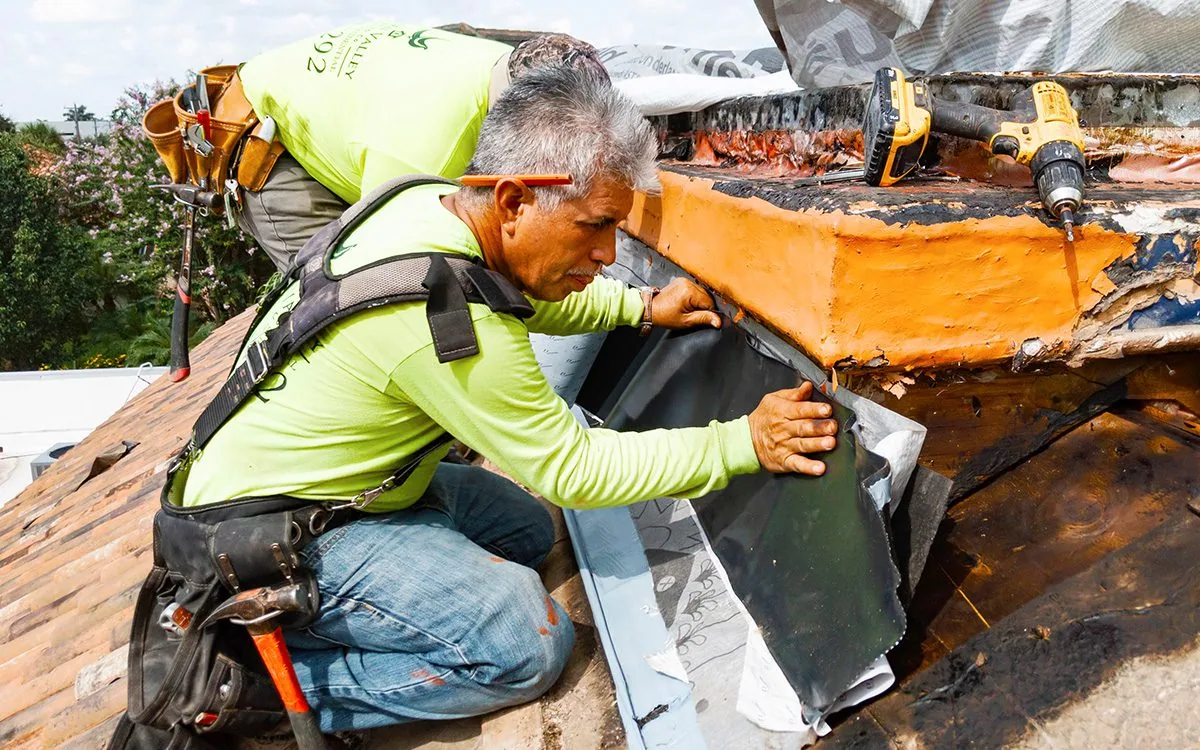
Hail or wind reports put a date on the work order, but each commercial roof in College Station, TX still needs its own condition review. We inspect the membrane or metal panels, seams, edge attachment, flashing, penetrations, drains, and interior reports, then separate visible damage from conditions that need a closer test. A storm can affect different roof areas in different ways, and an event in the region does not establish what happened on one property. We document what is present, protect any active opening, and set the next step against the building schedule. The result is a scoped repair record rather than a conclusion based only on a weather date.
Protect the building while evidence is gathered
If water is entering occupied space, the first task is to protect people, equipment, inventory, and the area beneath the affected roof. We coordinate access with the property contact, identify rooms that need protection, and note whether water is still moving. A temporary measure can limit exposure while conditions allow a full inspection, but we record it separately from permanent repair. The closeout should show which roof area was stabilized, what remains exposed, and whether a return visit is needed after the surface is safe to work.
Facilities staff can help by noting when the leak began, where it appeared inside, and whether it changed after wind or rain. We compare those observations with the roof slope, nearby curbs, seams, drains, and perimeter details. If a ceiling stain is far from the roof opening, water may have traveled along insulation, a deck flute, or framing. We document the path that the roof evidence supports and identify any test opening or moisture survey that would make the extent clearer. A time-sensitive response can address an active opening while a separate damage scope is prepared.
Read the assembly for impact and movement
Storm review starts with the roof system that is actually installed. On a TPO assembly, we check welds, patches, flashing, and penetrations for separation or puncture. EPDM, modified bitumen, built-up roofing, and standing-seam metal show different indicators, so the inspection records the material where it can be confirmed and avoids treating every mark as the same failure. We look for displaced edge components, open laps, tears, dents, impact marks, damaged curbs, and changes to drainage. Each observation is tied to its roof area and photographed where that adds useful context.
During a June 2023 severe thunderstorm, wind gusts in College Station reached 85 mph; the area also recorded hail from 1 to 2.75 inches in April 2021. Those dates provide regional context, but do not establish damage at an individual property. We compare the event window with visible roof and interior conditions and note which items are confirmed, suspected, or still need testing. We compare the event window with visible roof and interior conditions, then note which items are confirmed, suspected, or still need testing. If the property has maintenance records from before the event, we use them to distinguish a new condition from an older repair candidate.
Separate repair from broader roof work
A repair scope should name the defect, the material, and the boundary of the work. A puncture in sound membrane may need a compatible patch; a loose seam needs preparation and a repair that restores its continuity. Bent perimeter metal or disturbed fasteners can require a different detail than a field membrane repair. At a drain or curb, we check how the roof connects around the opening and whether movement or standing water has affected nearby materials. We state which adjacent conditions remain outside the approved work so a small repair is not mistaken for a full roof restoration.
Moisture under the surface can change the decision. We identify whether an infrared review, test cut, or selective opening would help define wet material before a patch or coating is considered. If damage crosses several areas or the assembly no longer supports localized work, we explain the findings that point to a larger capital review. A claim documentation review can organize photographs, repair boundaries, and observed conditions without promising a coverage outcome. The same record supports a condition report that tracks open items through later inspections.
Sequence access around live operations
Storm repair on an occupied property may require tenant notice, equipment coordination, temporary protection, or a restricted roof route. We confirm the access point, escort requirements, work hours, and any areas that cannot be entered during normal operations. If production or research work continues below the repair, the facility contact can identify when a crew may safely work above it. We plan the sequence by roof area and say which section will remain open, which needs a return visit, and what should stay protected while the repair is pending.
FM 2818, the Harvey Mitchell Parkway route, extends about 20 miles between SH 6 connections through the mixed commercial-residential urban area. For post-storm work, confirm crew arrival and debris staging with the building contact. At a property near that route, staging or service-vehicle movement may need coordination with an active loading path or customer entrance. We agree on the staging area with the site contact rather than assuming a road or lot is available. Bryan and College Station also recorded separate tornado impacts: an EF-2 east of Bryan damaged commercial buildings and warehouses in 2019, while an earlier College Station tornado affected businesses and an apartment complex along Harvey Mitchell Parkway. Those regional histories inform what records to review, not a claim that a current building was struck.
Leave a usable storm record
Closeout notes should include the reported event date, roof area reviewed, material observed, visible conditions, photographs, repair completed, and any limitation that affected the inspection. We identify temporary protection separately and list questions that need a test or another access window. If the roof plan labels several additions, we keep each finding tied to the correct section so the asset manager can compare it with prior repairs. This record helps the next field visit focus on changes rather than reconstructing the first response.
For sites near the Bryan service area, the distinction between observed damage and a regional storm report matters when property records are assembled. We can connect the findings with a hands-on roof inspection or a moisture survey when concealed conditions remain uncertain. A maintenance plan can carry forward the follow-up items after the immediate repair is complete. That keeps the operating calendar, roof history, and capital decision connected without treating one storm review as a conclusion about the life of the whole assembly.
Commercial Roofing Questions
Does a regional hail report prove my roof was damaged?
No. The report helps set the review period, while a recommendation depends on conditions at the property. We inspect the assembly and document visible impact, openings, displaced details, or interior water entry.
What should we record before the inspection?
Note when the condition appeared, the affected rooms, any active water, and prior leak or repair history. Roof plans, access rules, occupied hours, and equipment restrictions help us inspect the right area safely.
Can you make a permanent repair during the first visit?
A confirmed defect may be repaired when the surface, material, and access conditions support that work. We separate any temporary stabilization from a permanent detail and identify what needs a return visit or testing.
How do you document conditions for an insurance review?
We organize dated photographs, roof locations, observed conditions, and the work performed. The documentation describes field findings and does not determine coverage or promise a claim result.
When does a storm repair become a capital project?
A broader review may be appropriate when damage spans multiple areas, concealed moisture is extensive, or the assembly cannot support compatible repairs. We explain the evidence and compare repair boundaries with the larger scope.
Arrange a storm condition review
Share the reported event date, interior leak locations, roof plans, repair history, occupied hours, and access limits. We can protect active areas, document roof conditions, and define the next repair or testing step.
Related Roofing Work
Request a Roof Assessment
Tell us about the building, the roof and what you are seeing. We look at leaks, storm and wind damage, aging membranes and planned replacements on commercial properties across College Station, Bryan and Brazos County.