
Roof Insurance Claim Assistance in College Station, TX
Roof Insurance Claim Assistance
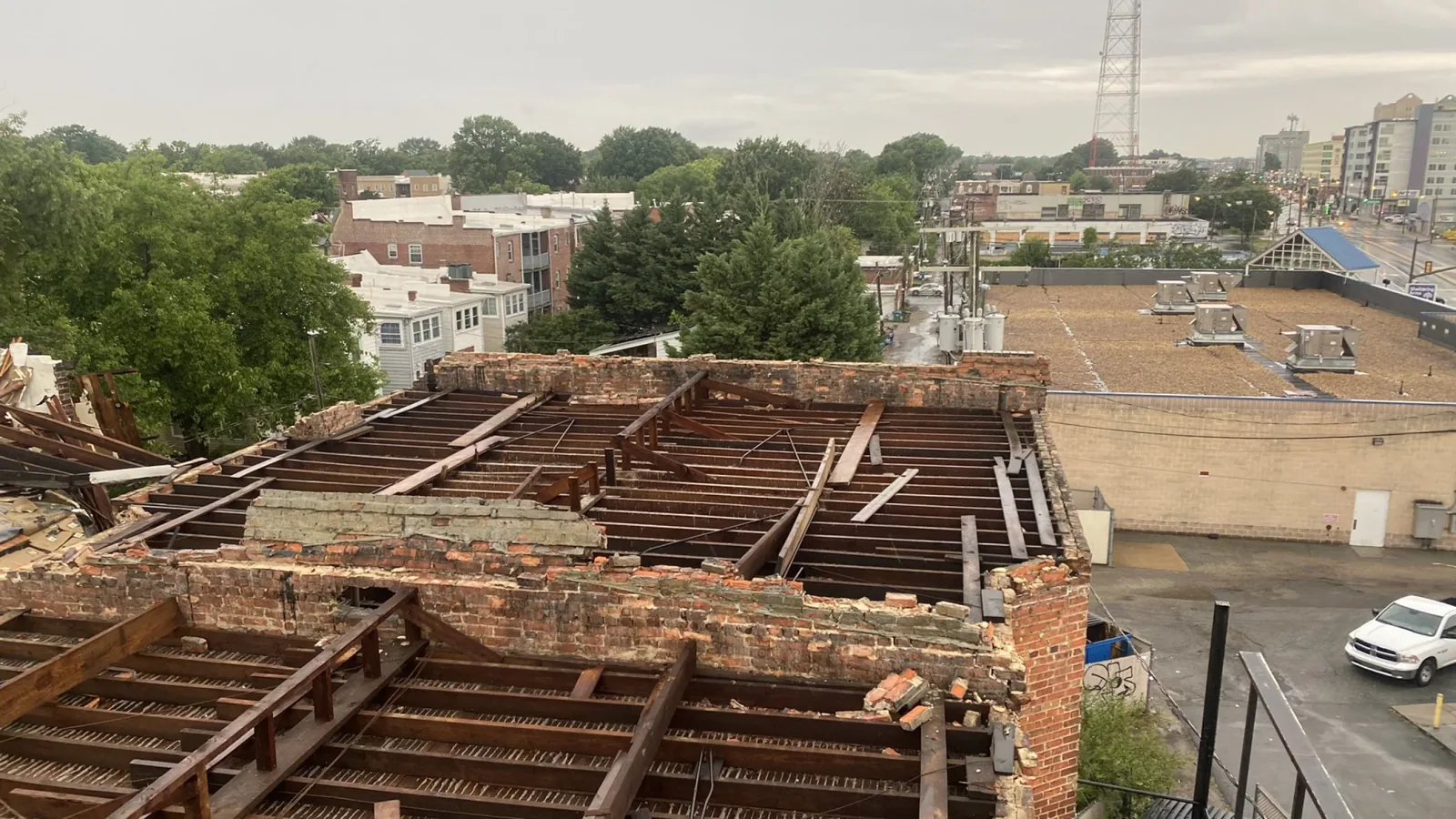
A commercial roof file is more useful when each condition can be tied to a location, date, and repair boundary. In College Station, TX, we inspect the assembly, photograph visible conditions, and prepare notes the property team can use while coordinating its insurance review. We distinguish observed damage from prior repairs, maintenance items, and questions that still need testing. Our scope documents roofing conditions and the work needed to address them. It does not determine coverage or predict a carrier decision. That separation gives an asset manager a clear technical record without confusing field observations with a policy determination.
Build the record from roof evidence
We begin with the building's roof plans, reported event date, leak history, prior repair notes, and the areas identified by the site contact. During the field review, we record the roof material where it can be confirmed, the location of each visible condition, and any limitation on access or inspection. Photographs should show context around a seam, penetration, curb, drain, edge, or panel instead of a close view that cannot be placed on the roof. We label the evidence so another reviewer can compare it with the property's drawings and maintenance history. A repair log can carry those labels into the next inspection, so a condition that returns is compared with the same roof area rather than a broad building name. We retain the distinction between what was seen and what still requires opening or testing.
A condition may be related to a reported storm, may have existed before it, or may need further investigation. We keep those possibilities distinct. A loose patch or open flashing detail is documented as observed; a concealed wet area may call for a survey or test opening before the repair boundary can be set. If multiple roof additions use different assemblies, we identify each area separately. A condition report can organize photographs, observations, and follow-up items in a format that supports later maintenance and capital planning.
Connect damage to the installed system
Damage indicators depend on the roof assembly. On a TPO membrane, the review may include seams, patch edges, flashing, penetrations, and perimeter attachment. For modified bitumen or built-up roofing, we examine laps, surfacing, and transitions. On metal, we look at panel connections, fasteners, flashing, and edge details. We do not treat a mark, dent, or displaced component as a complete repair scope until the surrounding material and water path have been checked. The Diligence Notes describes what was visible and what additional access could establish.
The April 2021 severe storm brought hail from 1 to 2.75 inches across the Bryan and College Station area; in June 2023, a destructive thunderstorm produced an 85 mph gust in College Station. A reported date can guide the review, but cannot establish what happened at an individual property. We compare event timing with photographs, interior reports, and current roof conditions. The repair recommendation follows the findings at the building rather than the regional event description.
Define the repair boundary
A useful scope identifies the work area, material, preparation, and repair method, along with conditions that remain outside the authorized work. For a membrane patch, we note where sound material begins and how the repair ties into the existing roof. For flashing or perimeter work, we describe the transition and any adjacent detail that needs separate attention. At drains, we record the outlet connection and nearby water path. If insulation may be wet, we state whether the available evidence supports selective removal or further testing before closing the surface.
Sometimes a localized repair is appropriate; other findings may indicate that a broader assessment should be considered. We explain the conditions that changed the scope, such as recurring openings, widespread moisture, or separation across several roof zones. A storm repair review can address observed damage while keeping unrelated maintenance items separate. If active water is reaching occupied space, a prompt response can protect the interior and document any temporary stabilization apart from the permanent repair.
Coordinate the review with property operations
Roof access and occupied space can affect how documentation is gathered. We coordinate the hatch or ladder, escorts, restricted areas, rooftop equipment routes, and hours when an inspection can proceed. If a tenant or production group works below a suspect area, the property contact can identify the spaces that need notice or temporary protection. We record any location that could not be reached and identify whether a return visit, lift, shutdown, or additional authorization is needed. The report should not imply that an inaccessible section received the same review as an area we could inspect.
The Bryan and College Station region includes research, healthcare, retail, hospitality, manufacturing, and rail-served industrial property. A multi-building owner may need the photographs and repair notes sorted by roof zone, tenant space, or operating area so approvals route to the right contact. Along FM 2818, service-vehicle movement and active loading or customer paths can affect staging. We agree on an access route with the site contact and include any limitation in the record. That keeps the technical scope connected to the work the building can authorize and schedule.
Keep claim records useful after repair
After work is complete, we identify the repair location, method, materials observed, photographs, and any follow-up condition. A closeout note should separate the permanent correction from temporary protection and list any adjacent defect that was not part of the approved scope. Where a roof opening or moisture survey changed the work area, we preserve that boundary so later reviewers can understand what was found. These records can also help facilities staff avoid repeating the same inspection when a related maintenance visit is due.
A weather event in the broader region should not turn into a blanket assumption about every roof. An EF-2 tornado east of Bryan in 2019 damaged four commercial buildings and warehouses; an earlier College Station tornado also affected businesses and an apartment complex along Harvey Mitchell Parkway. These dates can orient a file review, but attribution rests on roof evidence at the insured property. We keep the building's photographs and Diligence Notes as the basis for its file, then link ongoing items to a hands-on inspection or maintenance visit. That leaves a useful record for the next operating and capital review.
Commercial Roofing Questions
Can a roofer decide whether my insurance claim is covered?
We document the roof conditions and describe the repair scope. Coverage decisions belong to the policy and claims process, so our field report does not promise an outcome.
What information helps prepare a roof damage review?
Send the reported event date, roof plans, prior repair records, interior leak locations, and access requirements. Those details help us compare the field condition with the property's history.
How do you separate storm damage from an older defect?
We compare dated photographs, repair notes, event timing, and current roof conditions. If the available record cannot distinguish a new condition from prior wear, we state what additional evidence would help.
Will the report include every roof area?
It identifies areas inspected and any location that could not be accessed. A restricted section may need a return visit, escort, shutdown, or test before a complete finding can be recorded.
What should the property team retain after repairs?
Keep the dated photographs, repair boundary, material and method notes, and any open follow-up item with the roof plan. We can prepare a closeout record that supports later inspection and maintenance.
Prepare a roof documentation review
Share the reported date, roof plans, repair and leak history, occupied hours, and access procedures. We can document visible conditions, define the repair scope, and organize a field record for your property team.
Related Roofing Work
Request a Roof Assessment
Tell us about the building, the roof and what you are seeing. We look at leaks, storm and wind damage, aging membranes and planned replacements on commercial properties across College Station, Bryan and Brazos County.