
Commercial Roof Condition Reports in College Station, TX
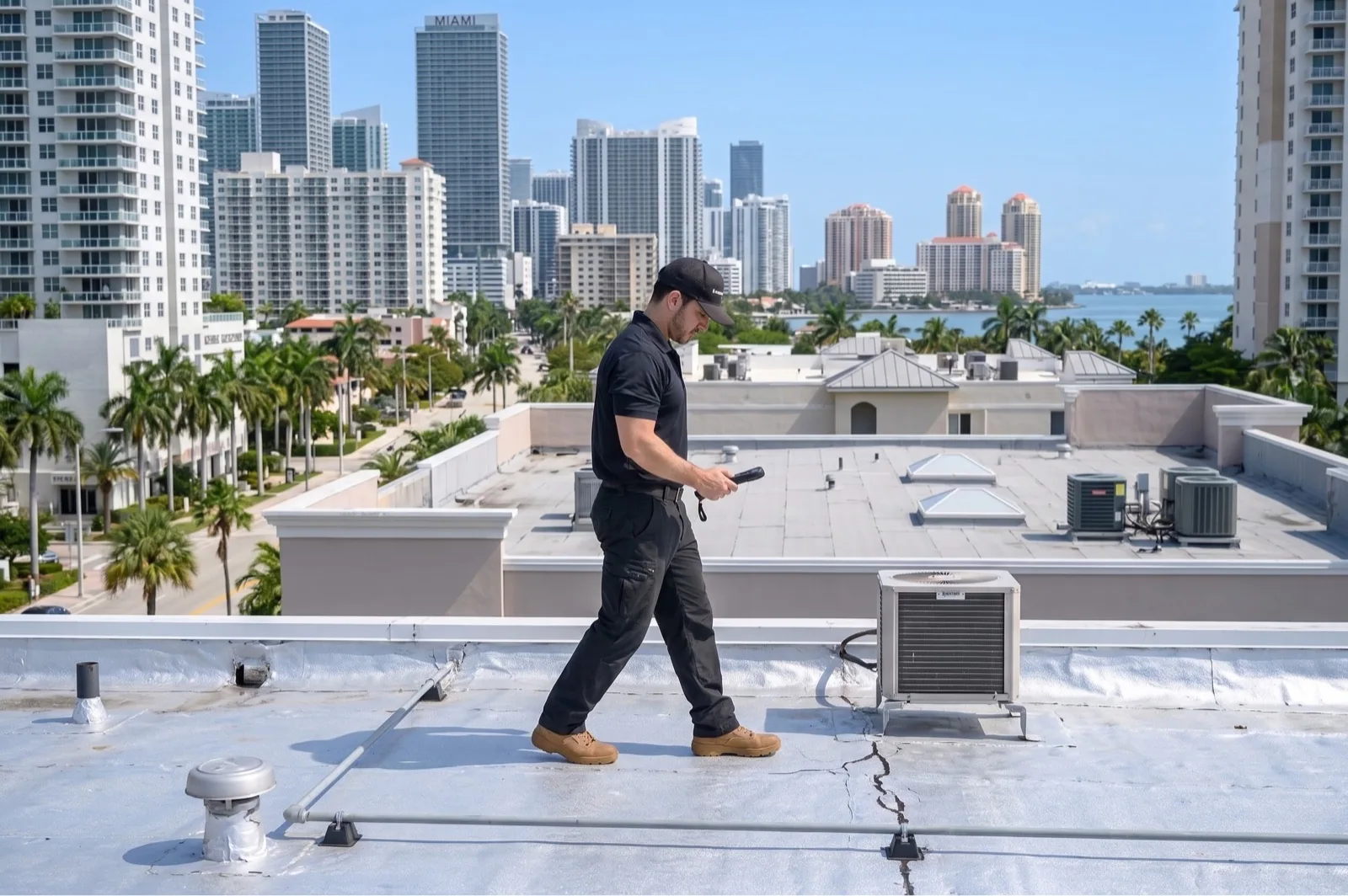
Commercial Roof Condition Reports
A roof report has to help a manager act after the inspection is over. For a College Station, TX property, we organize observations by roof area, photograph the condition in context, and state what the finding means for maintenance or capital review. Across Bryan and College Station, research-oriented premises sit alongside rail-served industrial sites and conventional commercial buildings. We attach each building's use, roof assembly, access limits, and operating needs to its findings, giving the right person a clear next step. If a property includes multiple additions, we keep each assembly and transition under its own roof-area label so a repair recommendation does not spread beyond the condition actually observed.
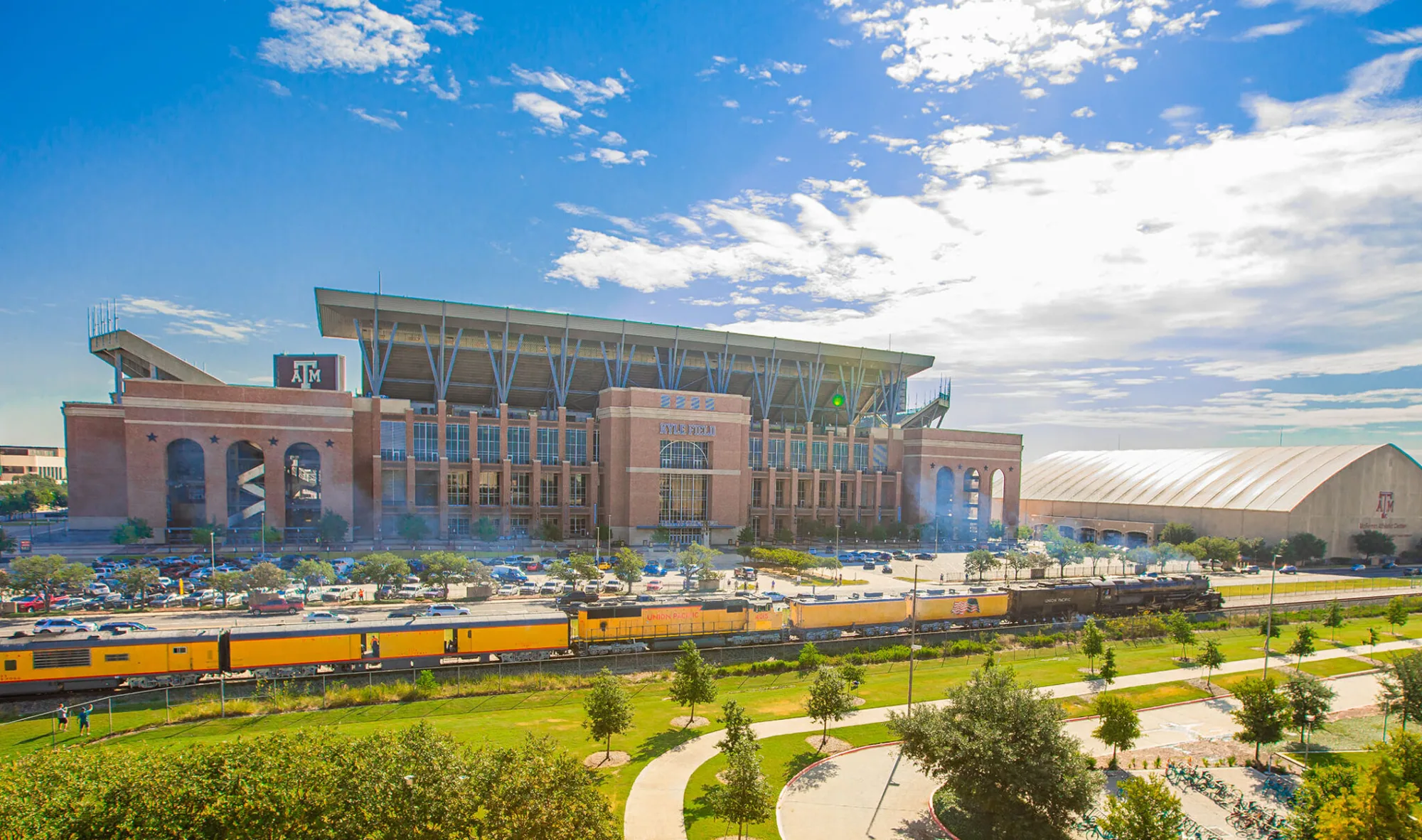
Make each photograph easy to use
A close image can show a split seam or loose flashing, but it rarely tells a manager where to find it. We pair detail photographs with wider views, roof-area labels, and a written location note. Where safe access permits, the report records nearby drains, curbs, rooftop equipment, edges, and transitions that help orient the reader. Dated images can then be compared with prior service records without relying on memory or an unlabeled folder of pictures. We keep captions factual: the roof area, visible detail, and inspection date come first, followed by a short note on why the image matters. If a manager needs to share one finding with a finance reviewer or maintenance lead, the photograph should make sense outside the original field conversation. That gives the team a usable record without overstating what the image establishes.
Records of a 2019 tornado east of Bryan describe damage to commercial buildings and warehouses. If event-related records are available, we compare them with today's observations; the regional report does not establish a condition at this property. A hands-on inspection can establish visible findings, and a drone survey may help document broad or difficult-to-reach areas when conditions allow.
Separate condition from recommendation
We use direct language to distinguish a condition from a proposed response. A report might describe an open flashing corner, a drain with debris, a patched membrane area, or a seam that merits closer review. It then identifies whether the item is a repair candidate, a monitoring item, or a question that needs testing. This keeps a field observation from turning into an unsupported conclusion about the entire roof assembly.
When the inspection suggests moisture below the surface, we note the visible basis and identify whether additional evaluation may help. An infrared moisture survey can support that question when the assembly and conditions are appropriate. We record areas not accessed, weather or safety limits, and any information supplied by the building contact. The reader can see what was reviewed and where more evidence would change the recommendation, instead of treating a surface inspection as proof about concealed layers.
Set priorities that match building use
Not every observation needs the same response time. We identify active openings and conditions that could worsen with rain separately from routine maintenance, longer-term deterioration, and items needing further investigation. Managers can then assign work according to water exposure, interior consequence, access, and operational impact. The report states the reasoning and the next action, such as a repair review, drainage cleaning, monitoring, or a follow-up survey.
College Station’s July normal daily highs climb from 94°F to 97°F over the month. For exposed roofing and rooftop equipment, sustained heat is useful context when deciding when to schedule access and when to compare photographs. It does not replace the field finding. A report can capture the inspection date, roof surface condition, equipment access, and any service history shared at the visit. If the recommendation involves a persistent drainage concern, a linked drain and scupper review can keep that work item specific.
Give ownership a report it can route
A report should work for the facility contact, property manager, and capital reviewer without requiring each person to interpret roofing shorthand. We summarize the roof area, observed condition, significance, proposed action, and any open question. Photographs, a concise finding table, and a short overall condition summary can support that structure. When a repair is completed, closeout images and notes can be added to the same asset record so the next inspection has a usable baseline.
Across Bryan and College Station, one owner may manage office or research space alongside industrial property with different site contacts. We preserve each property’s labels and access procedures rather than combine unrelated findings in one generic summary. The report can feed a portfolio asset record and a capital review, while keeping building-level observations clear. Regional road access, including FM 2818, may help schedule nearby visits, but it does not determine the sequence inside a facility.
Use the findings to decide what comes next
After delivery, we can review the report with the owner or facility team and clarify which findings need immediate attention, added testing, or a place in the next budget cycle. We describe the scope, access requirements, and the documentation needed for a return visit. If multiple roof areas have distinct assemblies, each can have its own findings and action path. That makes it easier to authorize a limited repair without losing the broader condition history.
When a report supports maintenance rather than replacement, the team can attach the recommended interval and open items to a preventive maintenance visit. When the observations support broader work, the record can help define replacement limits. Property teams in College Station and Bryan can share plans, leak logs, roof access rules, and the operating calendar before the review.
Make the record ready for the next review
The final report should make it clear which observations are closed, which remain open, and who owns the next action. We include the inspection date, areas reviewed, access limitations, photographs, and the basis for each recommendation. If conditions change before work begins, the building contact can compare the new finding with the report and update the scope. That creates continuity between a field visit and the maintenance or capital decision that follows.
Share the roof plans, previous reports, repair tickets, occupied hours, and equipment-access needs. We can prepare a documented field review that gives your team clear findings and a practical path to the next decision.
Commercial Roofing Questions
What should a commercial roof condition report include?
It should identify roof areas reviewed, dated photographs, observed conditions, access limits, repair priorities, and recommended next steps. We distinguish visible findings from questions that require testing or added access.
Can photos show whether moisture is inside the roof?
A surface photograph documents what is visible at that location. It does not confirm concealed moisture by itself. We note the evidence and can recommend appropriate follow-up testing when the assembly and conditions support it.
How do you record an area that could not be accessed?
We identify the area and the access limitation in the report so the reader can see the inspection boundary. If the unreviewed section affects a decision, we can plan another access window or a suitable survey method.
Can a report support a roof budget request?
Yes. We connect each recommendation to dated observations, photographs, repair history, and scope assumptions. That gives a reviewer a traceable reason for addressing a condition or scheduling further investigation.
Can the report include repairs completed during the visit?
When a repair is authorized and completed, we can record its location, work performed, and closeout photographs. Open conditions and recommended follow-up remain separate so the record reflects what is complete.
Request a usable roof condition report
Share roof plans, repair history, occupied hours, and access requirements. We can document the field findings by roof area and organize the next actions for your team.
Related Roofing Work
Request a Roof Assessment
Tell us about the building, the roof and what you are seeing. We look at leaks, storm and wind damage, aging membranes and planned replacements on commercial properties across College Station, Bryan and Brazos County.