
Commercial Roof Capital Planning in College Station, TX
Commercial Roof Capital Planning
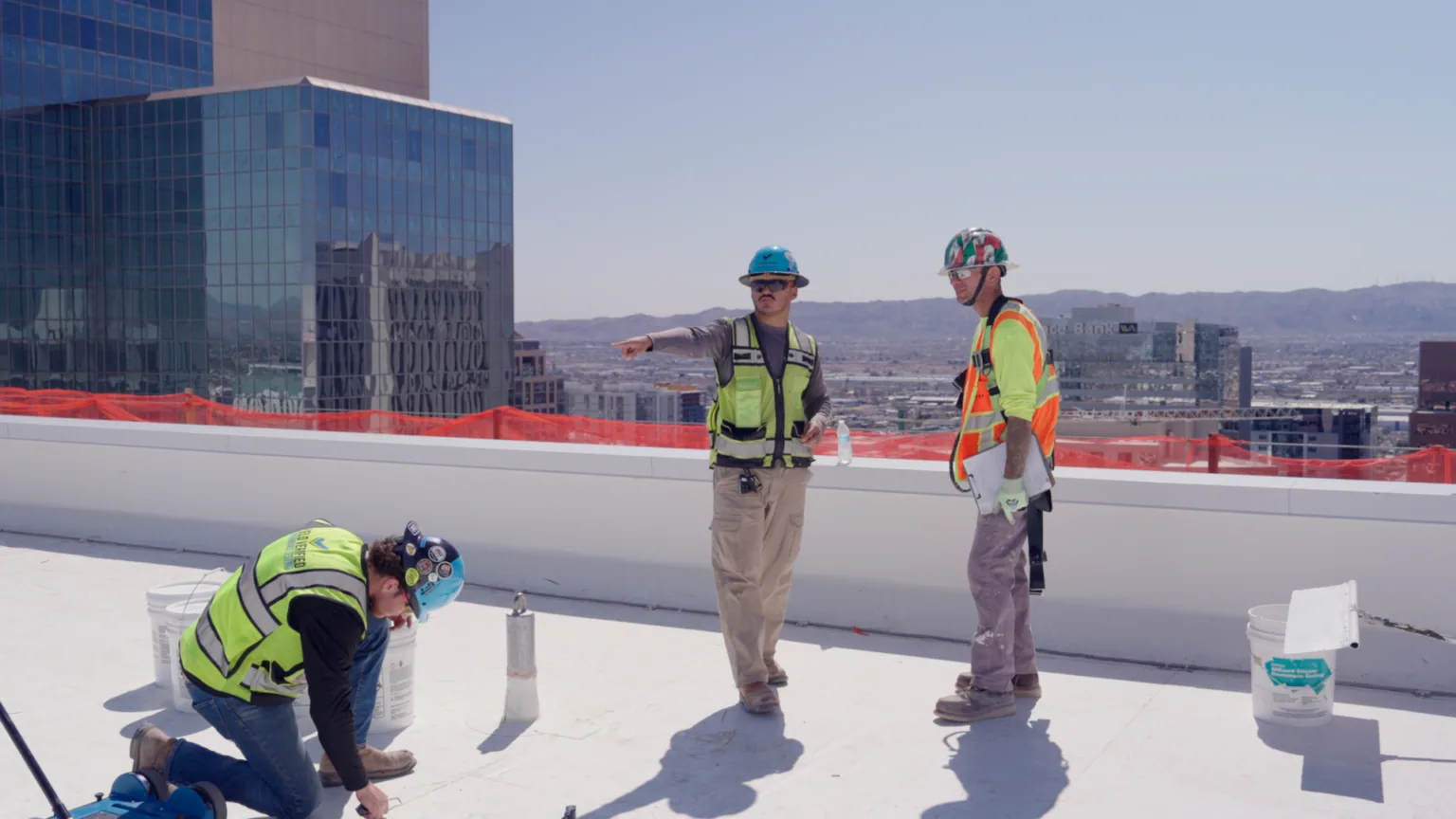
A capital request needs a reason for its timing, a defined scope, and a record that a reviewer can follow. For College Station, TX properties, roof planning often spans offices, research settings, retail, manufacturing, and other buildings with different access windows. We connect observed condition to the work under consideration, then identify assumptions that could affect sequence or scope. The plan helps an asset manager distinguish a repair that belongs in current maintenance from a larger project that needs design, coordination, and a place in the capital cycle.
Start with the condition behind the request
Planning begins with roof areas, known assembly, repair history, reported leaks, and current field observations. We record the location and extent of each condition instead of treating one wet ceiling or old service ticket as a complete diagnosis. Seam separation, deteriorated flashing, repeated patching, standing water, or wet insulation may carry different implications. The record should show which findings are confirmed, which need testing, and what could change after access improves or concealed layers are opened. We list the responsible contact and the next decision date so a recommendation does not remain detached from the operating calendar. Where a repair is selected, the closeout entry captures its boundary and any follow-up observation needed to judge whether it performed as intended.
The April 2021 storm brought hail measuring 1 to 2.75 inches across Bryan and College Station. For a capital request, we use that date to locate any property photographs or service notes already on file, then state the roof condition those records actually show. It cannot set a project scope by itself. We tie any proposed work to the roof’s own findings and preserve the basis for the recommendation in a written condition report. This gives finance and facilities teams a common reference when they compare timing options.
Compare repair, restoration, and replacement
A repair scope may address isolated defects while the surrounding assembly remains serviceable. Restoration can suit a roof when the existing substrate and details support a coating or other renewal approach. Replacement becomes a stronger capital candidate when recurring failures, broad moisture, attachment concerns, deck condition, or incompatible prior work make ongoing patching a poor fit. We explain the evidence for each path and the limits of what can be confirmed without testing or opening the assembly.
College Station’s July average high for the 1991 through 2020 period is 95.4°F; the daily normal reaches 97°F at month end. That seasonal range can affect the inspection window and rooftop access plan, while the repair or replacement case still rests on observed roof condition. We consider access, weather windows, and protection needs alongside the technical scope. A targeted repair may preserve options while planning continues; where the condition supports broader work, a restoration assessment or replacement review can compare likely work boundaries.
Build a budget basis reviewers can trace
The budget basis should identify roof area, assembly, access, work limits, temporary protection, and the assumptions used for quantities. Cost drivers may include tear-off depth, wet insulation, deck repairs, edge metal, drain corrections, curb modifications, staging distance, occupied space below, and disposal logistics. We separate known work from allowances for concealed conditions and note the review point where those conditions must be confirmed. That helps the reviewer see why two roofs with similar footprints can require different scopes.
For a portfolio with buildings in Bryan and College Station, we can organize findings by property and compare urgency without merging their histories. College Station’s codes effective January 1, 2026 include the 2024 IBC and IECC, with COMcheck reports required for commercial and multifamily energy designs. When a planned roof scope changes insulation or assembly details, the budget basis should identify the design review and documentation needed for that work. Bryan and College Station sites can then keep their own phasing assumptions and access requirements. The associated roof asset register can keep each scope tied to its building record.
Place the work in the operating calendar
A capital plan needs a sequence as well as a year. We mark which areas require an early repair, which can remain under planned maintenance, and which need design or further investigation before procurement. Access windows, tenant notice, lift placement, material staging, temporary tie-ins, and weather exposure can affect the workable order. On occupied properties, we identify who approves work zones and how a change in conditions reaches the decision-maker. Those details reduce schedule surprises and keep the scope linked to building operations.
Along FM 2818, commercial and residential uses share a corridor connecting destinations in Bryan and College Station. For properties near that route, vehicle access and staging can influence mobilization plans, but the route itself does not tell us how any building operates. We confirm conditions with the site contact. If the project involves a warehouse or production facility, the plan can address roof sequencing for warehouse operations and access around manufacturing as separate coordination needs.
Carry decisions forward from year to year
Once funding is set, the record should preserve the assumptions that produced the decision. We can note the approved work boundary, alternates considered, open investigation items, temporary measures, and conditions that would move the project earlier or later. After a repair or replacement, dated closeout photographs and remaining maintenance items update the next planning cycle. A clear history also helps a new manager understand whether an earlier recommendation was completed, deferred, or superseded by new field evidence.
Capital planning does not require every roof to follow the same replacement interval. The assembly, repair response, drainage performance, moisture findings, and operating consequence determine the review. We can tie those observations to a multi-building work program and track the agreed next review with preventive maintenance. That lets ownership preserve a decision trail while adjusting priorities as condition changes.
Prepare the next funding conversation
Useful inputs include roof plans, prior scopes, service tickets, leak reports, photographs, current operating restrictions, and the budget calendar. We review them against field findings, identify material gaps, and organize recommendations by consequence and readiness. A reviewer can then see the proposed action, why it is being considered, what remains uncertain, and how the sequence fits operations. For a property near College Station or Bryan, we can coordinate a field review with the building team and document the next capital decision.
Share the condition history, occupied hours, equipment-access needs, and funding timing. We can prepare a roof scope that connects the field record with your capital review process.
Commercial Roofing Questions
What makes a roof project ready for capital review?
A useful request has a defined roof area, current condition evidence, repair history, scope alternatives, access assumptions, and open questions. We identify what supports the recommendation and what needs confirmation before final pricing or procurement.
Does a regional hail report justify a replacement budget?
No single regional event establishes a property’s roof condition. We use dated local weather context only alongside the building’s inspection notes, photographs, and repair history, then describe the condition that supports the proposed work.
How do you compare a repair with replacement?
We look at how far the defect extends, the surrounding assembly, prior repair results, moisture information, and the condition of details and deck. The recommendation explains why a limited scope is adequate or what evidence supports broader work.
Can a roof project be split across budget years?
Phasing may work when roof areas can be separated safely and temporary transitions can be maintained. We identify the work boundary, interim protection, operational constraints, and conditions that would make the later phase less practical.
Which records help support a roof capital request?
Roof plans, dated photographs, maintenance and leak logs, prior proposals, and field reports help show condition history. We can organize those records with the scope assumptions and operating calendar for review.
Connect roof condition to capital timing
Send current roof records, occupied hours, equipment-access needs, and your budget calendar. We can review the evidence and organize repair or replacement priorities by building.
Related Roofing Work
Request a Roof Assessment
Tell us about the building, the roof and what you are seeing. We look at leaks, storm and wind damage, aging membranes and planned replacements on commercial properties across College Station, Bryan and Brazos County.