Commercial Roof Recover in College Station, TX
Commercial Roof Recover
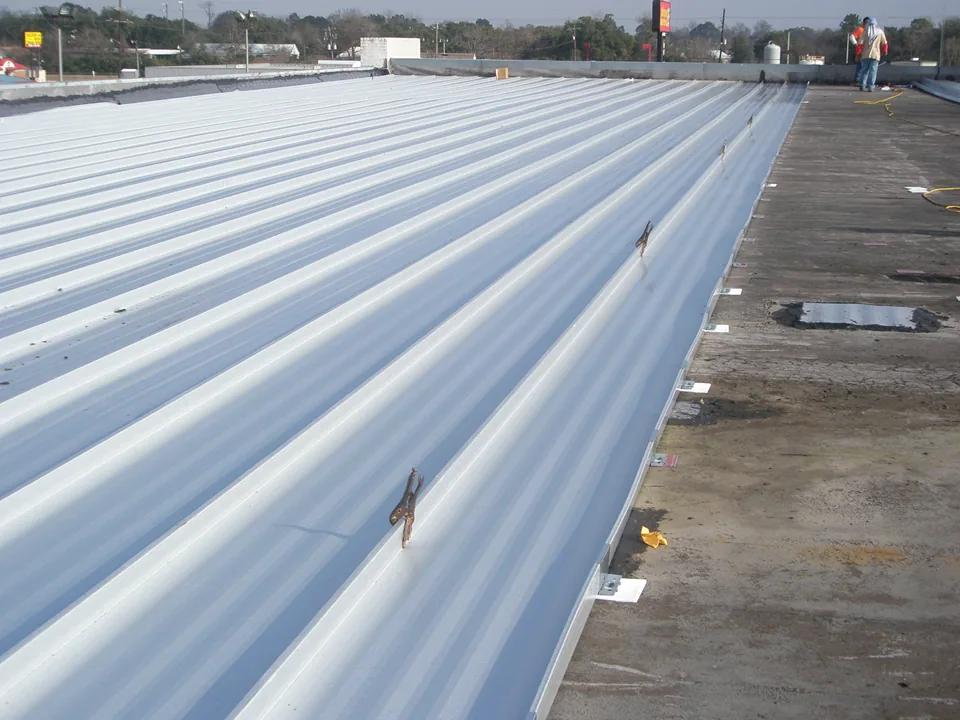
A roof recover can shorten the amount of material removed, but only when the existing assembly can support another system. For College Station asset managers, the decision starts with layer count, trapped moisture, attachment, drainage, and the operating calendar. We inspect the field, edges, penetrations, and drainage, then compare a recover with full replacement and targeted repair. For a commercial property in College Station, the selected path also has to keep access and staging workable for people and operations below. The scope should state which materials remain, which areas will be opened, and how each transition will be closed against water entry.
Check what will remain below
Existing layers set the first boundary. We review the known roof history, visible material changes, attachment pattern, and any records of earlier overlays. A recover is not a way to bury active wet insulation or an unstable deck. Infrared, test cuts, or other investigation may be useful where the assembly cannot be judged from the surface. Findings should show where moisture is present, how far it extends, and whether affected areas can be removed and corrected while the rest remains serviceable.
The layer map also helps identify where details would change height. We record curb elevations, drain bowls, wall terminations, equipment supports, and edge metal before design begins. If an existing flashing detail cannot accept the added thickness, its correction belongs in the recover plan. We distinguish components that can remain from those that need replacement, then note any roof section where the evidence is not strong enough to approve another layer.
Confirm code and drainage capacity
College Station’s current permit cycle began at the start of 2026, with building and energy provisions drawn from 2024 editions. Confirm which requirements govern this roof before approving an overlay. The current code path, existing layer count, attachment, fire classification, and energy requirements all need review before a recover is selected. Commercial or multifamily energy submissions also need 2024 IECC COMcheck documentation, so we coordinate overlay details and unresolved permit questions with the design team before materials are ordered.
Added thickness can change how water reaches drains, scuppers, and gutters. We look for low areas, blocked outlets, and transitions where a new layer could leave the roof with inadequate clearance. If drainage corrections are needed, they belong in the scope instead of being treated as a finish detail. The proposed membrane system must be compatible with the surface below and the required attachment method. When these conditions point away from a recover, we explain why removal gives the next assembly a more reliable base. The owner receives a decision record that ties code, moisture, and drainage findings to the recommended work.
Match the new layer to the roof
Recover systems depend on the condition and compatibility of the existing roof. A cover board may separate materials, provide a more consistent substrate, or protect insulation, but its use has to fit the assembly and attachment plan. We examine membrane type, surface condition, perimeter restraint, penetrations, expansion joints, and transitions before selecting details. A cover board and insulation scope may be part of the design, while another roof may need localized removal to reach sound material. We record each interface because a recover can add weight and height at curbs, drains, doors, and edge metal.
The project plan should also state what will happen to old flashings, rooftop supports, abandoned penetrations, and equipment that may need to move. New membrane cannot compensate for a curb or drain detail that remains open. We map active equipment access and coordinate temporary protection around the work zone. Along the FM 2818 corridor, commercial properties share a busy urban route connecting the College Station and Bryan areas. On an occupied site, that context makes material delivery, debris handling, and service access part of the sequence rather than a separate logistics note.
Know when a recover is the wrong fit
Widespread moisture, soft or deteriorated deck, excessive existing layers, unstable attachment, or persistent ponding can rule out an overlay. We separate conditions that can be corrected locally from those that affect the assembly as a whole. If moisture appears in isolated areas, a recover may still be possible after those areas are opened and repaired, subject to code and design review. If wet material extends beyond practical boundaries, tear-off may give the owner a clearer condition record and more dependable base for the next roof.
Before the decision is made, we compare mapped conditions with the roof plan and mark the proposed removal boundaries. A controlled test cut can verify insulation moisture, attachment, and deck condition at a representative roof zone before the overlay limit is set. If samples differ across elevations or additions, we do not assume one result represents the full assembly. A moisture survey can help choose additional test points, while the final recover recommendation remains tied to verified conditions and applicable code.
Document a maintainable result
Once a recover is approved, the installation sequence should preserve temporary weather protection and keep water moving as each section closes. We note work limits, tie-in points, equipment routes, and areas where concealed conditions must be reviewed. The closeout record identifies the new membrane, repaired details, and any existing components left in place. That distinction is useful later, when the next inspection compares changes against a known assembly instead of assuming a full tear-off occurred.
Our field review can include photographs, moisture findings, drainage notes, and the reason each alternative was accepted or rejected. A roof condition report helps connect the recover to future maintenance and the capital cycle. For a multi-tenant or manufacturing property, we can also record the operating hours and equipment-access limits that shaped phasing. That gives the facilities team a concise basis for scheduling future inspections, handling repair requests, and deciding when a later replacement review should begin.
Commercial Roofing Questions
How do you determine whether another roof layer is allowed?
We review the existing layers, attachment, deck condition, fire and energy requirements, and applicable code before recommending a recover. College Station adopted its 2024 building and energy codes effective in 2026, so the design record matters as well as the visible roof. When a point needs confirmation, we identify it before the project moves into installation.
Can you recover over a roof with a few wet areas?
Localized wet material may be removed and corrected before the new system goes down, if the remaining assembly is sound and the design allows it. We map moisture boundaries and explain how those repairs affect the scope. Broad or connected wet areas can make full removal the more supportable option.
Will an overlay raise drains and rooftop equipment?
It can change finished heights at drains, curbs, doors, and edge metal. We check those transitions and note any extensions or drainage corrections needed before setting the system. That review helps prevent a new layer from leaving low points or access details unresolved.
Does a regional hail or tornado report prove my roof should be replaced?
No. The report identifies a regional event, while the property decision depends on field evidence. We look for impact or wind effects, moisture, attachment issues, and damage to details, then compare repair and recover options with replacement where needed.
What records should we keep after a recover?
Keep the assembly description, photographs, repaired areas, moisture findings, inspection notes, and any components left beneath the new roof. We can organize those items in a condition report and include the access or operating limits that affected the work. Future inspectors can then compare their findings with the actual installed scope.
Review the existing layers
Share roof plans, prior repair records, occupied hours, and equipment-access needs. We can inspect the assembly, test moisture where useful, and compare recover, repair, and replacement paths against your capital timing.
Related Roofing Work
Request a Roof Assessment
Tell us about the building, the roof and what you are seeing. We look at leaks, storm and wind damage, aging membranes and planned replacements on commercial properties across College Station, Bryan and Brazos County.