
Commercial Roof Insulation and Cover Board in College Station, TX
Commercial Roof Insulation and Cover Board
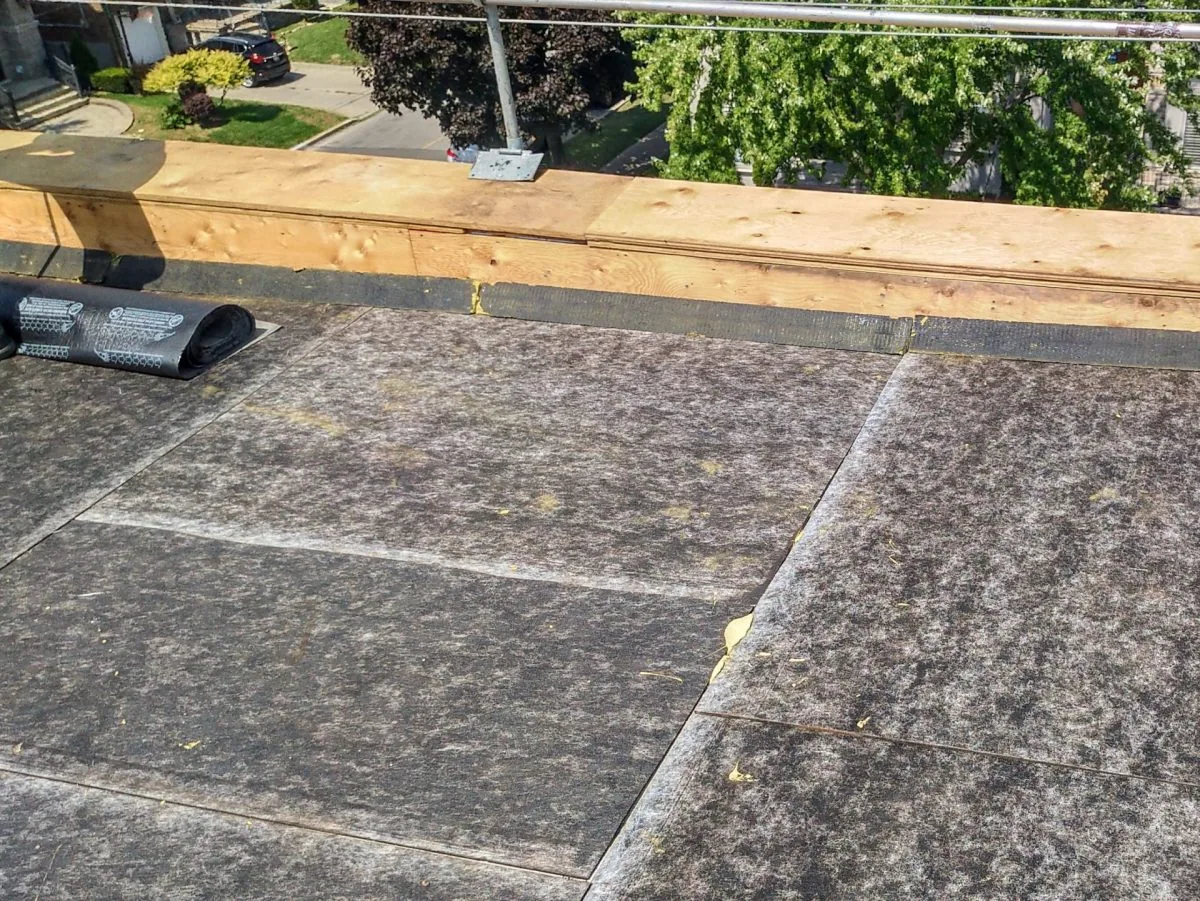
A change to insulation or cover board affects more than the roof's thermal layer. It can alter attachment, roof height, flashing, drain transitions, and the way rooftop equipment meets the assembly. On a commercial building in College Station, TX, we review the existing build-up, condition history, moisture evidence, and operating needs before defining a repair or replacement scope. The field record identifies what can be confirmed at the surface and where a test opening is needed. That helps an asset manager compare localized insulation work with a broader roof project without assuming that a visible membrane condition describes the materials below it.
Identify the layers before changing them
Roof drawings and prior repair records can show the intended assembly, but field conditions may differ after additions and equipment work. We identify the visible membrane, cover board, insulation where exposed, attachment method where it can be seen, and any areas where the assembly remains unknown. At a wet interior area, we do not infer that all insulation beneath the roof is saturated. We compare the leak location with roof slopes, seams, penetrations, and previous openings, then recommend a moisture survey or test cut if concealed conditions could change the work boundary.
When a roof has multiple additions, each may have a different thickness, deck, or system. We record those transitions so a replacement plan can address changes in height and flashing. A hands-on inspection can document the sections and repair history, while a condition report can preserve test locations and open questions. This prevents the next capital review from treating a series of assemblies as a single uniform layer.
Match cover board and insulation to the work
Cover board provides a surface above insulation and can affect impact resistance, attachment, and membrane installation. The right layer depends on the existing deck, the roof system, the design, and the loads that the assembly must support. We inspect whether the current surface is sound, whether wet or damaged insulation needs removal, and how new material will tie into curbs, walls, and edges. A TPO roof assembly and a spray foam roof use different construction details, so the scope follows the selected system instead of applying one material choice to every building.
Where only a defined area needs correction, we identify the removal and replacement boundary and how the repaired section returns to the existing roof. If moisture extends farther than expected, the scope may need to change after a test opening. We explain that decision point in advance so the property contact can authorize additional work with evidence rather than expanding the area without a documented basis. The report also notes any height change that could affect drains, doors, curbs, or perimeter flashing. For a full replacement, the project documents control thickness, attachment, and material compatibility. We check the substrate as sections open, record any change in deck condition, and confirm that new boards meet at joints without a height step that would interrupt membrane work. If the assembly differs from the drawings, we document what is exposed and coordinate a revised scope before covering it. That preserves the reason for the change and the boundary of added work. Photographs can show the board and deck before they are concealed, giving the facilities record a reference for later service.
Preserve drainage and transitions
Adding insulation changes roof elevation and can alter the path to an outlet. We compare planned thickness with the existing slope, drain bowls, scuppers, gutters, and low areas so the new assembly does not leave a transition that traps water. At curbs and walls, added height may require revised flashing. A drainage review can identify whether an outlet needs adjustment or a broader slope correction is required. We keep that work separate from the insulation quantity so the record shows which change addresses the assembly and which restores water movement.
Before selecting the insulation build-up, account for local summer loading: College Station’s July normal mean high is 95.4°F, and monthly averages reach 97°F late in July after starting near 94°F. That sustained heat is relevant to the roof system and rooftop equipment, but it does not establish a condition under a specific membrane. Bryan and College Station saw 1-to-2.75-inch hail during the severe storm of April 2021. If the proposed insulation work follows an event, we inspect the roof surface and material layers separately and base the scope on conditions found at the property.
Sequence work around building use
Insulation replacement can expose a roof section while materials are removed, so the work sequence needs to match weather conditions, occupancy, and access. We confirm roof routes, equipment clearances, the area below each section, and any shutdown or escort requirement. A property contact can identify operating periods when interior protection or work above sensitive rooms needs added coordination. We describe how each section will be opened, protected, closed, and checked before the next part of the roof is released.
Across the twin-city market, roofs serve laboratory and clinic space, stores, hotels, production floors, and freight-oriented buildings, each with different delivery and access routines. Those uses affect where materials can be staged and how roof access is coordinated. FM 2818 and Harvey Mitchell Parkway connect destinations through the urban area and serve commercial and residential land uses. At a property near the corridor, a loading route or service entrance may need to remain available while insulation and board are moved. We agree on the route with the site contact and carry the sequence into the work plan.
Record the assembly for the next capital cycle
A closeout should identify the layers removed and installed, the roof areas affected, test findings, transition details, and any condition that remains unresolved. Photographs can show the exposed assembly and completed tie-ins before the membrane covers them. We record where insulation was replaced, where existing materials remain, and what future inspection should compare. If the roof was already a candidate for restoration, a coating review may be appropriate only after the substrate and moisture condition are understood.
For a portfolio with manufacturing, research, or warehouse buildings, consistent assembly notes help compare project needs without assuming that one roof's construction applies to another. A capital planning review can place confirmed repairs, remaining unknowns, and future inspections into the property record. The next budget discussion then starts with the installed layers, drainage changes, and access history documented in the field.
Commercial Roofing Questions
How do you determine whether insulation is wet?
We review the surface, interior reports, roof history, and available test evidence. A moisture survey or test opening can help define concealed conditions before setting a removal boundary.
Can insulation be replaced in only one roof area?
A localized replacement may work when the material boundary and surrounding assembly support it. We identify how the section ties into adjacent materials and whether testing is needed beyond the visible opening.
When is a cover board appropriate for this roof?
That choice depends on the substrate and the proposed membrane. A board can separate materials, protect insulation, or provide a steadier surface, but its thickness, attachment, edge height, and transitions must fit the existing deck and project details.
Will added insulation affect roof drains or curbs?
It can change roof height and the detail at drains, scuppers, walls, and equipment curbs. We review those transitions in the proposed assembly and identify any separate drainage or flashing work.
What should the closeout record include?
Record the layers replaced, work boundaries, photographs, test results, transitions, and remaining open items. We can prepare notes that support future inspections and capital planning.
Review insulation and cover board scope
Share roof plans, prior repairs, leak history, access rules, occupied hours, and any moisture findings. We can inspect the assembly, define testing needs, and plan the work around building operations.
Related Roofing Work
Request a Roof Assessment
Tell us about the building, the roof and what you are seeing. We look at leaks, storm and wind damage, aging membranes and planned replacements on commercial properties across College Station, Bryan and Brazos County.