
Commercial Roof Leak Repair in College Station, TX
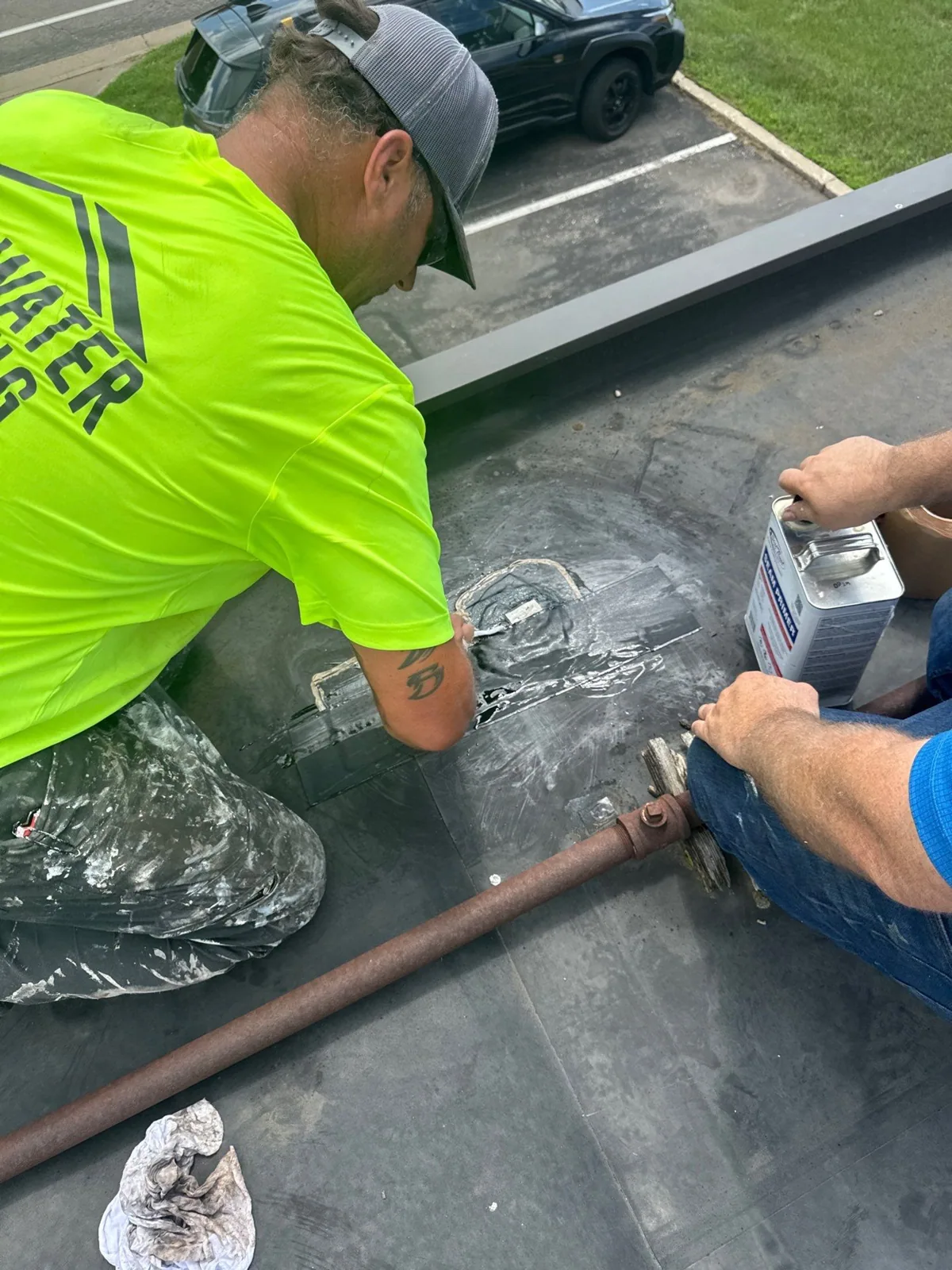
Commercial Roof Leak Repair
Research, retail, and industrial buildings in College Station, TX need a clear response when water reaches occupied space: protect the interior while locating how it entered the roof assembly. A ceiling stain may sit far from a seam, curb, drain, or edge that admitted water, so we trace the path instead of patching only above the mark. We record the active area, inspect the roof and nearby details, and set a repair sequence that fits the building's access hours. That gives facilities staff a clear next step and a usable entry in the condition history. The first report should also identify whether water is still moving, what interior protection is in place, and which conditions still need confirmation.

Protect the occupied area first
An active leak can threaten ceilings, electrical equipment, inventory, finishes, or production even when the roof opening is small. We identify the interior area that needs immediate protection and coordinate safe access with the property contact. Temporary catchment or protection may limit exposure while a roof inspection is arranged. The site record should distinguish that immediate measure from the permanent roof repair, so the next shift knows what remains active and where the affected space is located.
For a building with research benches, diagnostic equipment, or office suites, the interruption risk depends on what is beneath the leak as well as how far water has traveled. We document affected rooms and ask which operations can pause, which need alternate space, and who can authorize roof access. If rain is ongoing, we may stabilize a visible opening before completing a full trace. Night, weekend, and holiday response is available at any hour. Once conditions permit, we return to confirm the entry point and define the lasting repair instead of leaving a temporary cover as the final work.
Trace water through the assembly
We begin at the reported interior location and inspect the roof area above it, including nearby penetrations, seams, drains, walls, equipment curbs, and perimeter transitions. Water can travel along a deck flute, insulation layer, pipe, or framing before becoming visible inside. Previous patches and repairs can redirect that movement. We compare the wet area with roof slopes and drainage paths, then inspect conditions that can admit water under wind-driven rain. The goal is to document a credible path and identify where testing or an opening is needed.
On a rubber membrane roof, a split seam or loose flashing may be a likely entry point; on modified bitumen or metal, laps and transitions call for different checks. A blocked drain can leave water standing long enough to expose weaknesses at a bowl or curb. If the roof is a thermoplastic membrane assembly, we inspect weld continuity and patch edges. We note each condition without assuming it explains the leak until the roof evidence supports that conclusion.
Close the opening with a compatible detail
A permanent correction has to bond, weld, or mechanically secure to material that can hold it. We remove loose or incompatible patching where needed, prepare the surrounding roof surface, and extend the repair onto sound material. Flashing repairs address corners and changes in plane where water and movement put stress on the detail. A seam repair is shaped to preserve the roof's drainage path, while a drain correction restores the outlet and surrounding connection. We photograph the repair boundary and record any adjacent defects that remain outside the approved scope.
If moisture is present under the membrane, closing the surface may not resolve the full condition. We identify the affected area and discuss test cuts or a moisture survey to determine whether wet material needs removal. A small, isolated wet zone can require a localized opening and replacement of insulation; broader moisture may point to a different repair or capital decision. We explain the evidence and likely scope before expanding the work. The same record can support planned repair at other details found during the visit.
Set access around the building schedule
Leak repair on an occupied property may require moving equipment, protecting ceiling finishes, isolating a room, or pausing a rooftop unit while flashing is corrected. We confirm which occupants need notice, where the roof hatch is, and whether the facility has rules for ladders, lift use, or roof permits. That information shapes the inspection window and the repair sequence. A property manager can help by sharing active leak locations, prior patch notes, alarm or access instructions, and the hours when a work zone is acceptable.
The FM 2818 and Harvey Mitchell Parkway corridor connects commercial destinations across Bryan and College Station. A roof access plan there may need to keep service vehicles or customer routes clear while equipment reaches the building. We agree on a staging point, route for tools and material, and the space below requiring protection. For multi-tenant buildings, we record which suite or common area has been affected and who will receive the repair update. This helps the facilities team coordinate a return visit if the roof needs further opening after moisture boundaries are confirmed.
Use storm records without assuming damage
A leak report should note when water was first observed, where it appeared inside, what conditions were present, and whether the area has leaked before. We add roof photos, the traced entry point, temporary measures, and the completed repair detail. If the exact path remains uncertain, the record names the unanswered condition and the next inspection or test that would resolve it. A condition report for the property file lets the next facilities review compare current moisture and repair history with the prior visit.
For an intermittent leak, the location and timing of each report can help separate one continuing path from multiple openings. We compare dates, interior areas, roof slopes, prior patches, and any changes made to rooftop equipment. If water appears after a repair, we return to the boundary and adjacent details rather than simply repeating the prior patch. This sequence gives the owner a traceable explanation of what was checked and what remains uncertain across properties in Bryan and College Station.
Commercial Roofing Questions
Why can a leak show up far from the roof opening?
Water can move along roof layers, deck flutes, pipes, or framing before it reaches an interior surface. We compare the stain with roof slopes and inspect nearby seams, walls, curbs, and drains to trace a credible path. The repair location follows the roof evidence, not only the room where the water appeared.
What should staff do while an active leak is being assessed?
Protect people and sensitive contents, identify the affected room, and notify the facilities contact so roof access can be arranged. If water is near electrical equipment, follow the building's safety procedure before entering the area. We can provide an immediate response, then document any temporary protection separately from the permanent roof correction.
Can you repair the roof while the leak is still active?
We can often stabilize an accessible opening, though a permanent repair may require dry conditions and a confirmed entry point. The work note should say which measure stopped immediate water entry and whether a return visit remains. We keep the affected interior space and the roof repair boundary linked in the record.
How do you know whether insulation must be removed?
Visible moisture at the surface does not show the full condition beneath the roof. We use inspection findings and, where useful, a test opening or moisture survey to locate wet materials. The proposed removal area is based on those boundaries and the condition of the surrounding assembly.
Does a nearby tornado or hail report change the leak diagnosis?
It can help set a date for reviewing records, but a regional event is not proof that one property was damaged. We inspect the roof for impact, uplift, open seams, and water entry, then compare that evidence with the interior report. The repair scope follows the observed failure.
Trace the leak and plan the repair
Send the leak location, first-observed date, prior repair notes, occupied hours, and equipment-access requirements. We can protect the affected space, inspect the roof assembly, and document a repair path.
Related Roofing Work
Request a Roof Assessment
Tell us about the building, the roof and what you are seeing. We look at leaks, storm and wind damage, aging membranes and planned replacements on commercial properties across College Station, Bryan and Brazos County.