Data Center Roofing in College Station, TX
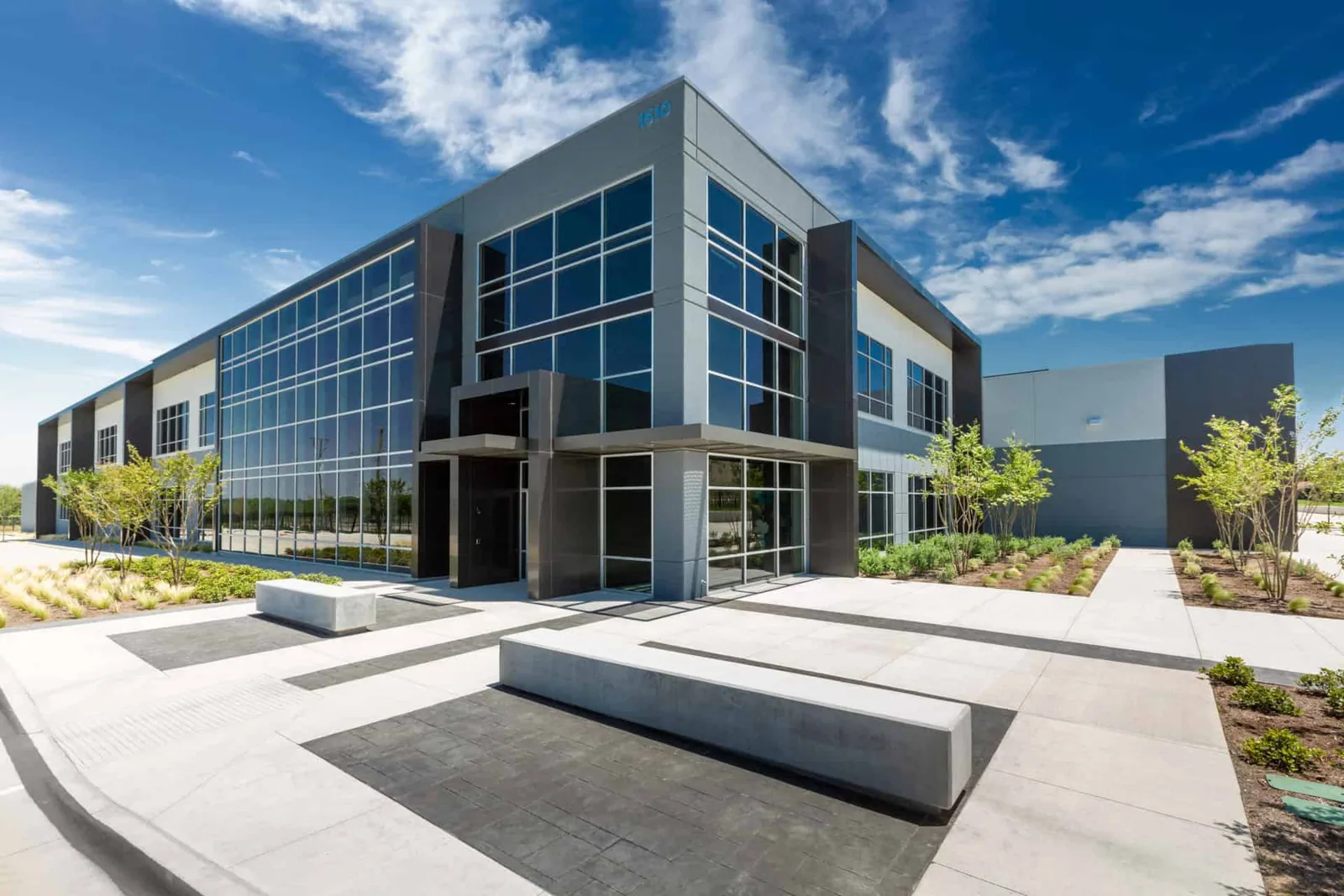
Data Center Roofing
Roof work at a data center begins with the access plan. Facilities teams need to know which areas can be reached, how rooftop systems are protected, and who can authorize a change before a crew approaches sensitive equipment. We document the roof assembly, penetrations, drainage, and observed conditions while coordinating with your site contact. For organizations planning or operating digital infrastructure in College Station, the roof review should connect condition findings to continuity requirements and maintenance windows. Each recommendation follows the installed system, documented history, and conditions the inspection can confirm.
Confirm who controls roof access
Before an inspection, we review entry procedures, escort requirements, approved routes, restricted zones, and equipment clearances with the designated facilities lead. We identify where tools or materials may be staged and how work activity will be communicated. If the property requires a written method statement or review of proposed tasks, that coordination is included before scheduling field access.
On the roof, we record accessible areas and note any location that cannot be safely viewed. Curbs, conduits, supports, and penetrations are mapped to the roof zone so future maintenance can return to the same point. A roof asset record can preserve those observations with photographs and service history, giving ownership a consistent reference when a later inspection window arrives.
Document transitions around equipment and penetrations
Data center roofs may carry rooftop mechanical systems, cable routes, exhaust points, and service walkways. Each penetration and support creates a detail that needs to be considered with the surrounding membrane or metal. We examine visible flashing, seams, attachment points, and signs of movement, then identify conditions requiring a closer look. If a roof has multiple additions or repair generations, the transitions are documented instead of being grouped under one general condition.
Drainage also matters where equipment and walk pads constrain access. We note visible drain conditions, nearby debris, and whether reported ponding corresponds with the roof layout. A focused drain and scupper review can help separate an inlet problem from a broader drainage concern. Where roof access is limited, we explain what could be confirmed and what additional access or testing would make the report more complete.
Use weather context to plan an inspection window
The National Weather Service recorded an 85 mph gust in College Station during the destructive June 3, 2023 thunderstorm. After a reported event, we review exposed edges, equipment supports, and transitions, then document what the current inspection finds at the property.
Heat also affects inspection timing. College Station’s 1991-2020 normals show a July mean high of 95.4°F, with average daily highs rising from 94°F to 97°F through the month. We coordinate access with equipment restrictions and work windows, while the field condition and system specifications guide the technical recommendation. Event-related observations stay with their inspection date and roof zone.
Choose work that protects system continuity
Repair planning begins with a defined condition and a clear boundary. A local flashing repair may fit when the assembly around it remains serviceable; a broader project needs review of attachment, moisture information, drainage, and adjacent roof layers. We describe the evidence supporting a repair, recover, or replacement option and identify any uncertainty that still needs resolution.
Different assemblies require different field details. A TPO system, for example, has its own seam and flashing considerations, while a metal or built-up roof presents different transitions. If work is planned around critical equipment, the scope should define access, protection, sequencing, and closeout points in advance. Our commercial roof inspection can document the condition baseline before a capital decision is made.
Coordinate maintenance without assuming a shutdown
We work with your site lead to understand the facility's maintenance calendar, security rules, roof access windows, and communication protocol. The sequence can be divided into areas with explicit boundaries so a crew knows where the authorized work begins and ends. Any temporary condition, weather response, or change in access is communicated through the agreed contact.
If a test opening or repair exposes a condition beyond the approved work, we stop at the agreed decision point, record the finding, and obtain direction from the facilities lead. This keeps a repair recommendation tied to the actual assembly rather than expanding scope without a clear basis. Closeout notes state which areas were accessed, what was completed, and what should be observed or revisited during future maintenance.
The handoff should list scheduled work, any temporary condition left in place, the person responsible for monitoring it, and the next inspection date in the facility maintenance record.Coordinate roof work across technology properties
College Station’s growth sectors include life sciences, aerospace and national security, energy technologies, animal health, and professional services. Research and health-science facilities also form part of the Bryan-College Station economy. If your organization operates digital infrastructure in the area, share the exact property address, access controls, equipment restrictions, and approved staging limits with the facilities contact before a roof visit.
FM 2818 links commercial and residential areas between Bryan and College Station. If a portfolio includes an office building or manufacturing plant, keep that property's access procedures, roof assembly, and service record separate. Field access in College Station should follow the authorized site's route and work window.
Keep the service record precise
For continuity-sensitive facilities, a useful report should be specific enough that another authorized person can understand the inspection. We label photographs by roof area, list accessible and restricted locations, and separate completed work from recommendations. If additional testing is needed, we state what question it would answer and who needs to approve access.
On a return visit, those location references help the team compare a detail with its earlier condition. We note whether a seam, curb, or transition appears unchanged, has developed a new concern, or needs a different inspection method. This keeps the history tied to observations instead of relying on general comments that are hard to verify.
That record can support maintenance planning, budget review, and later contractor coordination. Share available roof plans, incident reports, previous repairs, and access procedures before the visit. We can then discuss an inspection window and organize the findings in a format your team can retain with its facility documentation. A facilities contact can assign follow-up and give the next reviewer the same access route, site restrictions, and approved inspection boundary.
Commercial Roofing Questions
What access information is needed for a data center roof inspection?
Please share entry procedures, escort or authorization requirements, approved roof routes, restricted zones, equipment clearances, and the contact who can approve field decisions. We will confirm access before scheduling.
Can the inspection avoid sensitive equipment areas?
We coordinate the inspection path with your facilities lead and document any area that cannot be accessed. The report distinguishes what was observed from what would require additional authorization or testing.
How do you assess penetrations and rooftop supports?
We review accessible flashing, seams, support points, and surrounding roof material. Observations are tied to roof zones so your team can evaluate findings against maintenance history and equipment requirements.
Does a local storm event mean my roof was damaged?
No. Weather history can guide where a review begins, but the property's visible conditions and records determine the recommendation. We document evidence rather than infer damage from a regional event.
What happens if the roof assembly is uncertain?
We identify what can be confirmed from accessible areas and explain whether records, testing, or additional access are needed. That gives the authorized team a defined decision before a larger scope is proposed.
Coordinate a data center roof inspection
Share roof plans, access controls, equipment locations, maintenance windows, and incident history. We can review the College Station property with your facilities contact and document a practical next step.
Related Roofing Work
Request a Roof Assessment
Tell us about the building, the roof and what you are seeing. We look at leaks, storm and wind damage, aging membranes and planned replacements on commercial properties across College Station, Bryan and Brazos County.