Commercial Roof Inspection in College Station, TX
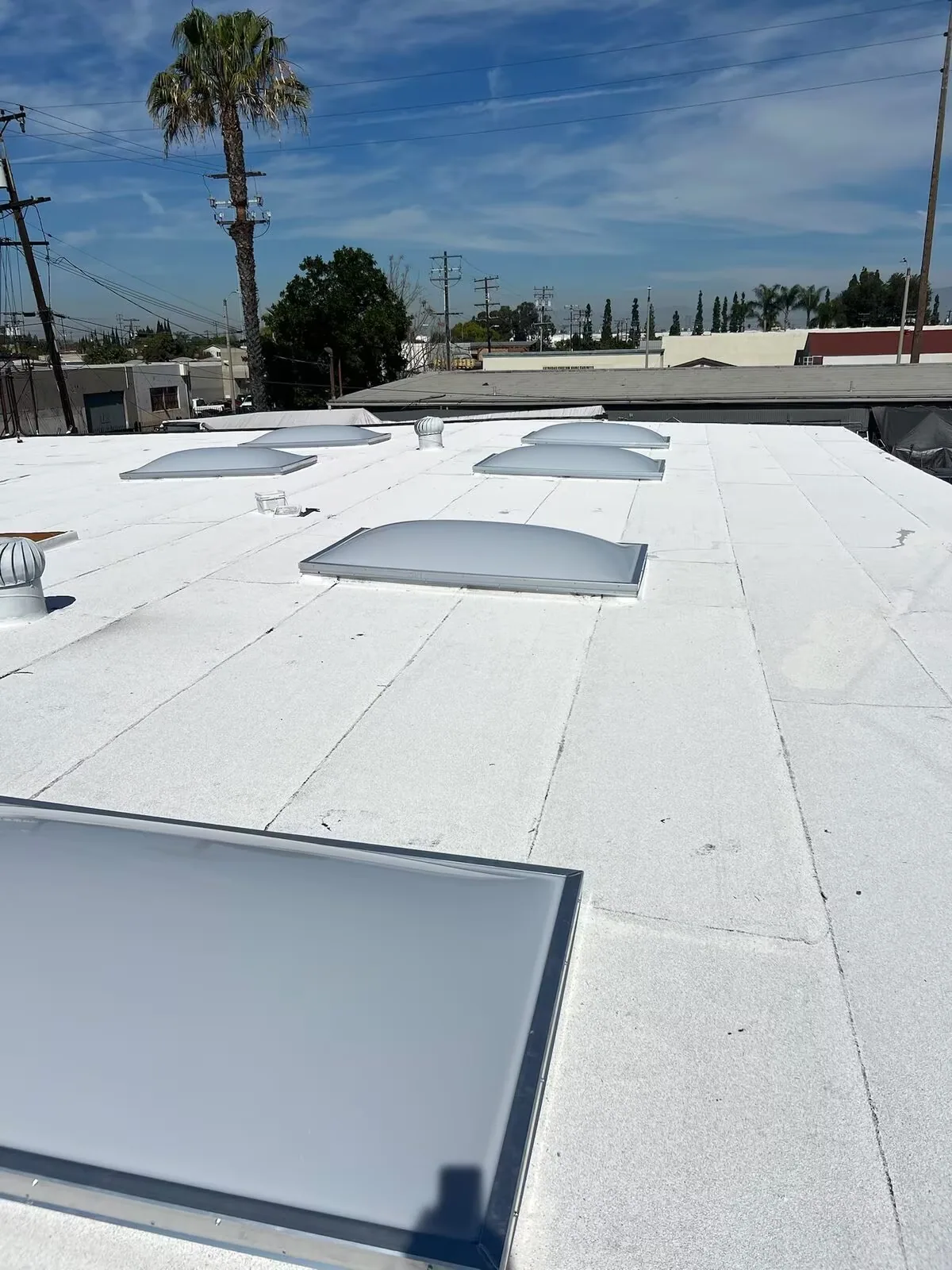
Commercial Roof Inspection
Research, healthcare, and industrial properties in College Station, TX need inspection findings that relate roof condition to the work below. We walk accessible areas, examine seams and flashing, check drainage and edge details, and record rooftop equipment and penetrations that affect maintenance. The review can identify active openings, repair candidates, conditions that need testing, or areas to plan for capital work. We prepare photographs and notes the facilities team can compare with previous repairs, operating needs, and the next inspection window. When a condition cannot be confirmed from the surface, the report states what further access or testing would make the finding more reliable.
What the field review covers
We inspect the roof surface and the details where systems change direction or material. That includes field seams, patches, flashing at walls and curbs, roof penetrations, drains, scuppers, gutters, edge metal, and visible transitions between additions. We note ponding, open laps, loose termination, punctures, surface wear, and signs of moisture where they are visible. Conditions are tied to a roof area or detail so the manager can act on a specific finding instead of receiving a list with no location.
Access and roof use also matter. HVAC platforms, service paths, ladders, hatches, fall-protection points, and equipment clearances affect what can be inspected and maintained. We ask about roof access permissions and identify areas that need an escort or shutdown. On properties with multiple additions, the inspection can separate assemblies and construction phases rather than treating the entire property as one roof. If an area is inaccessible or concealed, we say what could not be reviewed and what opening or test would clarify it.
Read findings by roof assembly
Different systems show deterioration in different ways. A TPO membrane inspection includes seam, flashing, and penetration details; an EPDM review considers seam condition, patches, and attached flashing. Modified bitumen and built-up assemblies require attention to laps, surfacing, and transitions, while standing-seam metal calls for review of panel seams, fasteners, and perimeter metal. We identify the assembly where it can be confirmed and note when records or a test opening are needed to verify what lies beneath.
The roof also has to move water away from the building. We look at slope, drainage paths, blocked outlets, and low areas that may hold water. Rooftop units and added curbs can change runoff or complicate access, so we include them in the record. A drainage inspection can clarify whether debris, a damaged connection, or a more fundamental slope condition needs attention. If moisture beneath the surface remains uncertain, a moisture survey or test cut can add evidence. The finding is more useful when it states what is present, where it was seen, and whether it warrants immediate repair, monitoring, or additional investigation.
Use event history as context
An inspection is a condition review, not a conclusion based on a regional event or a calendar date. We record the assembly, surface wear, open or distorted details, drainage concerns, and any visible impact or displacement. Each finding is tied to a roof area and described as observed, suspected, or requiring a test. That distinction helps the property team avoid treating a visual clue as a confirmed failure while still assigning a clear next step.
For a technology or research property, the report may need to show equipment clearances and the route a maintenance crew can use without disturbing sensitive work below. At a light-industrial building, the useful detail may be which roof zone lies over loading or production space. Across Bryan and College Station, we separate observations by assembly and operating area, then prioritize immediate repair, monitoring, or added investigation based on evidence at the roof.
Schedule around access and occupancy
A useful inspection starts with safe, authorized roof access. We coordinate the hatch or ladder, escort requirements, equipment shutdowns, and any areas that need restricted entry. If a tenant or production group occupies the space beneath a suspect roof area, we can plan the visit around its operating hours. The field team records conditions without interrupting more of the building than necessary, and notes which follow-up work may require a different access window.
FM 2818 and Harvey Mitchell Parkway link commercial and residential destinations through the Bryan and College Station urban area. For sites near the corridor, a service vehicle route, occupied parking area, or loading schedule can influence the inspection plan. We confirm where to stage, who can open roof access, and how to reach rooftop equipment safely. This information is especially useful when multiple property contacts manage different parts of a site. The written findings then help route repair approvals to the person responsible for the affected area and keep the asset record consistent.
Turn observations into an action record
Inspection notes should separate urgent defects from planned maintenance and longer-range capital concerns. We describe the location, apparent extent, recommended next step, and any limitation that affects confidence in the finding. Photographs show the condition and surrounding detail. Where more evidence is needed, the report can call for a moisture survey or test cut. A condition report can also identify recurring repair areas, visible ponding, and roof access needs for future visits.
In Bryan, an inspection can help facilities staff separate work that can be handled during routine maintenance from conditions that warrant a funded project. We note which areas can be revisited on the next scheduled survey and which should receive earlier attention. If deterioration spans several roof sections, the findings can support a planned commercial roof replacement evaluation in the capital cycle. A manager can compare documented conditions over time and align work with the operating calendar instead of treating one observation as an automatic replacement decision.
For a manager coordinating assets in Bryan and College Station, a consistent naming convention makes the report easier to compare with work orders and prior photographs. We use the property’s roof plan labels where available, flag any area whose access was limited, and preserve a short list of open questions for the next visit. That gives maintenance staff a practical handoff rather than a collection of observations without ownership.
Commercial Roofing Questions
What does a hands-on roof inspection include?
We review accessible membrane or metal surfaces, seams, flashing, penetrations, drains, edges, rooftop units, and visible moisture indicators. Findings are photographed and tied to locations. If an area is concealed or inaccessible, we identify what additional access or testing would be useful.
Can an inspection tell us whether a roof needs replacement?
It can document conditions that support repair, continued maintenance, further testing, or a larger capital review. We compare the findings with the roof assembly and repair history, then explain the evidence for the recommended next step. Replacement is not assigned solely because a system has reached an age or a storm occurred nearby.
Will you inspect around rooftop equipment?
Yes, accessible areas around units, curbs, pipes, and service paths are part of the review. We look for flashing conditions, clearance concerns, drainage effects, and maintenance access. Equipment shutdown or restricted entry needs to be coordinated with the site contact.
Can your report support a post-storm review?
We can document visible impact, open seams, displaced edge components, punctures, and interior leak history. Regional storm reports help organize timing, but the report records only what we observe at the property. Photos and locations can support a later comparison or repair scope.
What if the roof is too wet or inaccessible to inspect fully?
We record the limitation and identify whether a return visit, roof opening, moisture survey, or additional access is needed. The report distinguishes inspected areas from areas that remain unknown. That keeps the next decision tied to the missing evidence instead of implying a complete review.
Schedule a field inspection
Send roof plans, repair and leak history, occupied hours, access procedures, and equipment restrictions. We can inspect accessible areas, photograph conditions, and organize next steps for your asset record.
Related Roofing Work
Request a Roof Assessment
Tell us about the building, the roof and what you are seeing. We look at leaks, storm and wind damage, aging membranes and planned replacements on commercial properties across College Station, Bryan and Brazos County.