
Commercial Roofing for Manufacturers in College Station, TX
Manufacturers
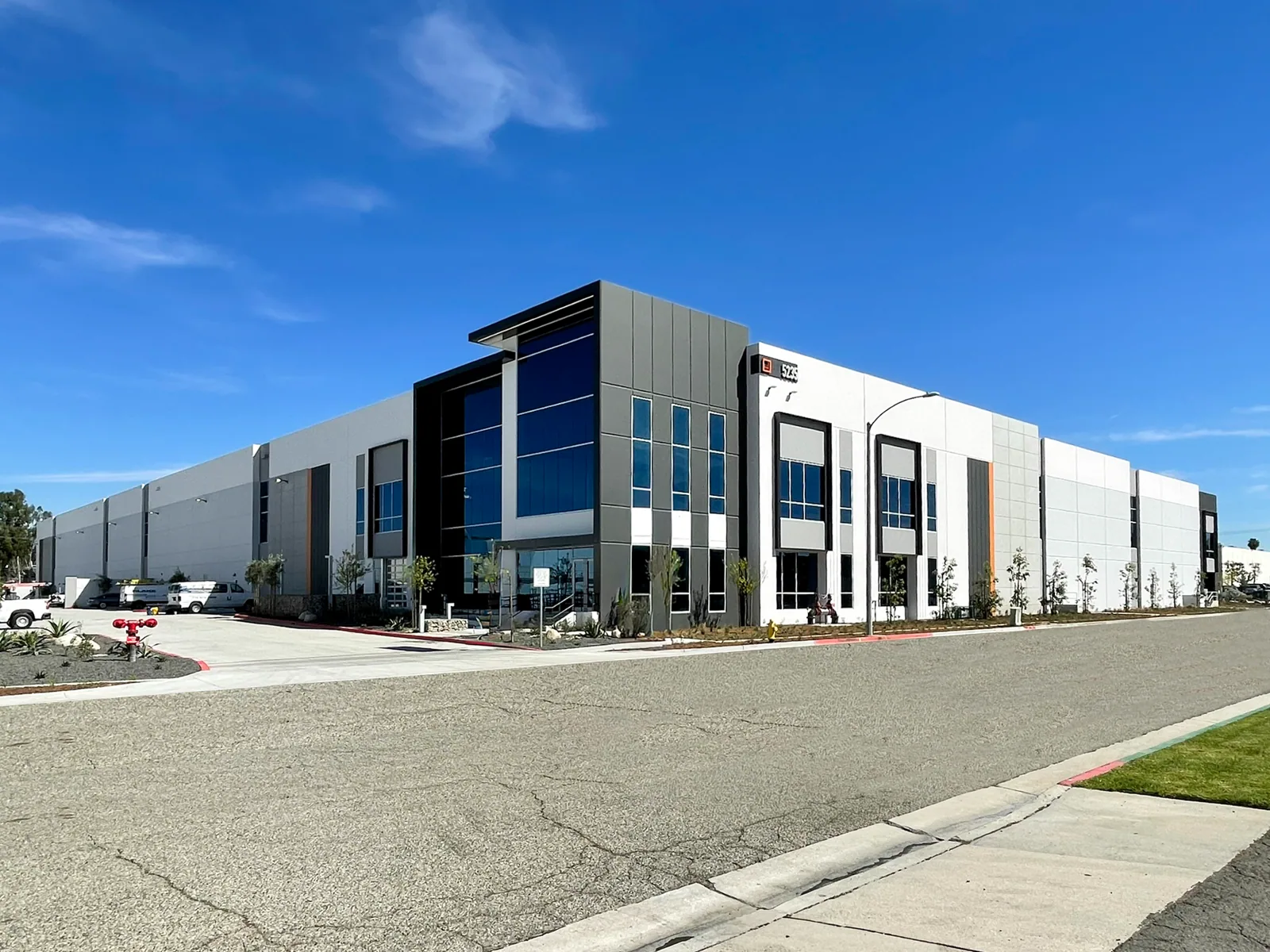
A manufacturing roof is part of the building envelope that protects production, utilities, stored materials, and the process below. At a College Station, TX plant, a roof visit has to account for shifts, ventilation, equipment access, and areas where water could affect product or operations. We map the roof condition to the plant’s use, inspect accessible seams, flashings, drains, curbs, and penetrations, then identify which work can proceed during a planned window. That lets facilities and operations teams make a decision with the roof record and production schedule in view.
Before inspection, share process restrictions, shift changes, equipment servicing dates, and any known water reports. We coordinate one site contact for field questions and note where access is limited. A plant group with freight operations can also use a logistics roof coordination plan to manage loading and staging needs at related properties.
Trace roof details near the process
Manufacturing roofs can carry exhaust, piping, ductwork, access walkways, and equipment supports above areas with very different operating requirements. We check the visible flashing at penetrations and curbs, look for movement at support points, and review nearby membrane and drainage. Where an interior report identifies a production bay or utility room, we compare that location with the roof layout and accessible details. The inspection record distinguishes a confirmed opening from a surface condition that needs monitoring or further testing.
Some process spaces need a stable environment or clean handling practices, so roof access and debris control must be agreed before work begins. We identify whether temporary protection is needed, how materials will move, and which drains and service routes must remain clear. If there is an active leak near equipment, facilities staff can mark the affected zone before the crew arrives. An inspection visit can then focus on the condition and record what was reached without interrupting unrelated production areas.
Plan field work for local exposure
Summer roof access in College Station calls for a sensible work window. July average daily highs increase from 94°F early in the month to 97°F at month end, a local pattern that influences crew timing and the handling of roof materials. It does not tell us whether a specific membrane has failed. We inspect the assembly, note exposed seams and details, and plan the field sequence with heat, ventilation, and the plant’s occupied schedule in mind.
High wind can make edge attachment, perimeter metal, and rooftop accessories important inspection points after a reported event. The area recorded an 85 mph gust during a destructive June 2023 thunderstorm. After a storm, we look for visible movement, lifted metal, punctures, and changes reported inside, then document areas that need repair or closer review. A wind damage assessment can record those observations, while a separate service visit addresses any active opening.
Select work that fits the assembly
A small, identifiable opening may be repairable when the surrounding roof remains sound and the material is compatible. If water entry recurs across several zones, or moisture findings raise questions about insulation and attachment, a larger evaluation may be needed. We explain whether the proposed work is a repair, restoration, recover, or replacement and identify which observations support that choice. A roof insulation review can help determine whether a wet or damaged area is confined or connected to a broader assembly condition.
The operations contact should identify any production, research, or packaging zone beneath a reported opening and the consequence of water or debris reaching it. That information helps facilities set the work window and interior protection before the crew arrives.
Keep production routes available
Before mobilization, we confirm the work zone, staging area, lift plan, material route, shift schedule, and the process areas that cannot be blocked. If the roof has several sections, a phase may be arranged so the plant can preserve access to a service route or outdoor equipment while another area is addressed. The sequence includes temporary protection, end-of-shift weather securement, and a contact for decisions about concealed conditions. These details reduce the chance that a roof scope collides with routine maintenance or delivery activity.
FM 2818 connects commercial and residential uses across Bryan and College Station and links locations on both sides of the urban area. For manufacturers with multiple regional facilities, a visit in Bryan can be arranged separately through our Bryan service area, with each plant reviewed against its own roof history. If production is scheduled continuously, the crew can coordinate an inspection window with site leadership and document any area that cannot be reached during the initial visit. For larger coordinated work, a general contractor roof scope may align adjacent construction trades.
Material selection also has to account for what is already installed. A patch must bond to the existing surface and work with the roof assembly, while a larger replacement may require advance coordination of insulation, cover board, attachment, and edge details. We confirm visible system conditions and identify any record or test needed before finalizing the scope. That keeps procurement tied to the actual roof and helps operations understand which work can be staged before production needs a clear area.
Give facilities a useful closeout
The closeout should tell facilities what was inspected, what was repaired, and which roof areas remain open for observation. We group photographs by zone, note materials and details addressed, and identify access or testing limits. The plant can retain the record beside equipment service schedules, maintenance notes, and production constraints. When a future water report comes in, staff can compare the date and location with prior findings rather than start over with a general service request.
Preventive maintenance can revisit drains, seams, penetrations, and previously repaired areas before the next operating season. If an issue is found, we can prioritize the work by interior consequence and schedule it around plant activity. An ongoing maintenance visit is also a chance to update roof plans after rooftop equipment changes. Our emergency service remains available day and night, every day of the week, including holidays, when an opening needs immediate attention.
Production schedules can affect lift access, loading areas, equipment shutdowns, and the protection required below a repair. We confirm those constraints before setting a work window, then document where the roof assembly changes around exhausts, curbs, and service penetrations. A plant may have several roof zones built at different times, so photographs and repair history need to identify the area rather than rely on a single facility label. That level of detail helps the maintenance team keep an active line separate from a roof condition that can be handled in a later capital cycle.
Commercial Roofing Questions
Can roof inspection fit around production shifts?
We coordinate the access window, roof route, staging, and contact for field decisions with plant leadership. The inspection notes any areas that remain inaccessible during the visit.
How do you assess a leak near process equipment?
We compare the reported interior location with roof penetrations, supports, seams, and drainage that can be reached. The record separates observed conditions from questions that need additional testing.
Do you work around exhaust and piping?
We inspect accessible flashing and adjacent roof materials, then coordinate with the facility contact when equipment or process restrictions affect access.
When should a manufacturer consider a larger roof scope?
Recurring symptoms, widespread deterioration, moisture evidence, or a roof assembly that no longer supports the operation can justify evaluating restoration or replacement. The inspection establishes the evidence and work boundary.
What is included in the project record?
We provide area-based photographs, completed work, materials or details addressed, access limits, and recommended follow-up so facilities can attach the roof history to site records.
Coordinate around the production calendar
Share the shift schedule, process restrictions, roof plans, recent repairs, and equipment-access needs. We will set a field review that gives facilities a clear record and workable scope.
Related Roofing Work
Request a Roof Assessment
Tell us about the building, the roof and what you are seeing. We look at leaks, storm and wind damage, aging membranes and planned replacements on commercial properties across College Station, Bryan and Brazos County.