
Preventive Roof Maintenance in College Station, TX
Preventive Roof Maintenance
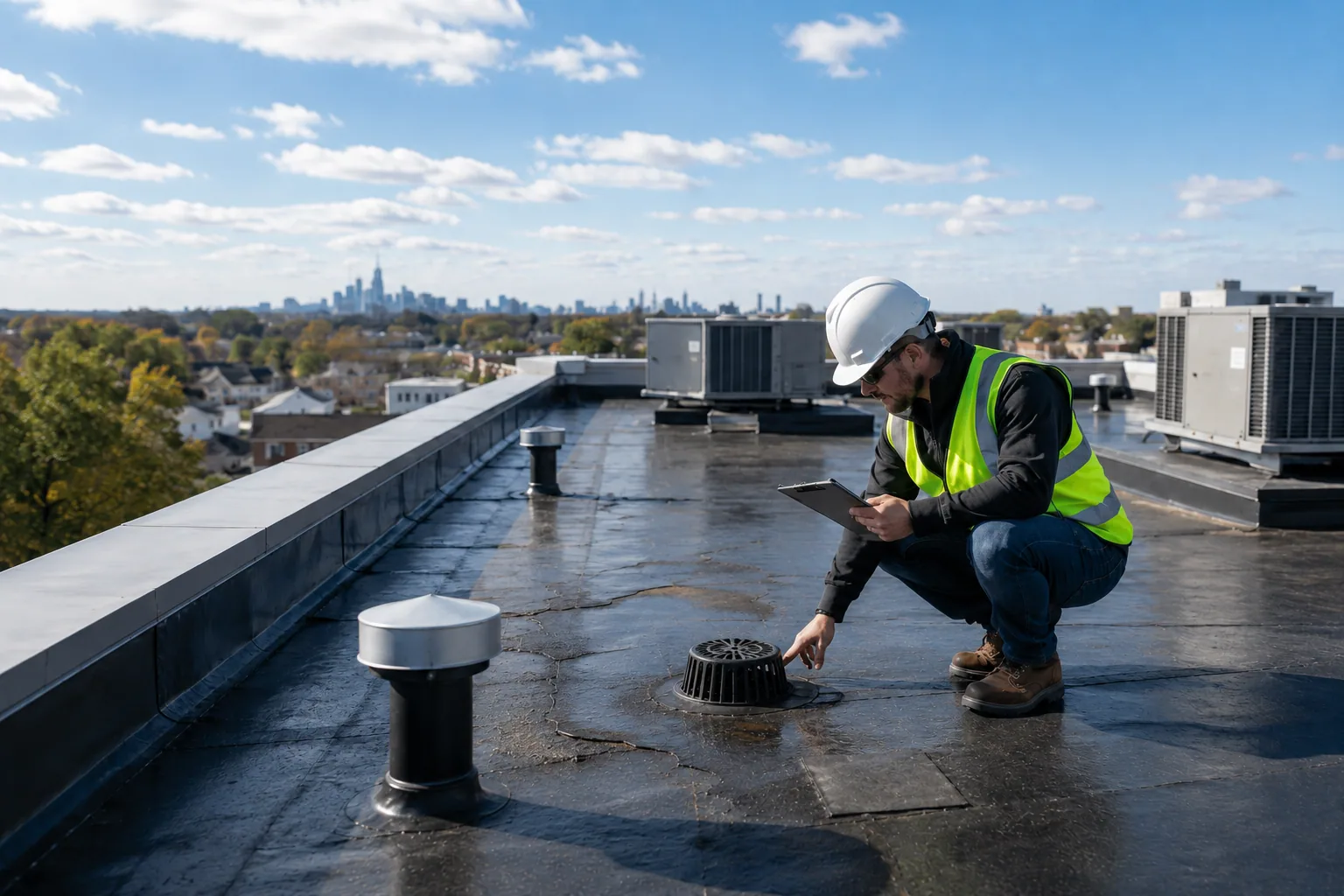
A maintenance cycle for research, retail, and light-industrial property in College Station, TX turns roof observations into work that can be scheduled before an active leak changes the operating plan. We check seams, flashing, drainage paths, penetrations, edge details, and equipment clearances, then record which items need attention now and which belong in a later inspection window. The service is not a standing assumption that every roof has the same defect. It is a repeatable way to compare the present assembly with its condition history, occupied hours, and capital cycle. A facilities team can then set a sequence for cleaning, repairs, testing, or a broader review without treating a routine visit as a replacement decision.
Assign work before water appears
We begin with the roof record and the building schedule. Prior leak locations, repair notes, roof plans, access procedures, and equipment changes help identify areas that deserve another look. On a multi-section property, we note which additions appear to use different assemblies and keep observations tied to the correct roof area. A roof asset record can carry forward photographs, repair boundaries, open questions, and the date or condition that should trigger another review. That record is useful when a manager must decide which maintenance item can be handled during a normal visit and which needs a separate work authorization.
Preventive work starts with visible conditions, not a calendar rule applied to every building. We look for loose or separated seams, failed patches, worn flashing, debris at drains, movement at equipment curbs, and edge components that no longer sit securely. If the surface does not show the condition below it, we identify whether a moisture survey or test opening would add useful evidence. Those steps keep the maintenance scope proportional to the assembly. They also create a repair candidate list that a property team can review alongside tenant requirements and the next available access window.
Read conditions by assembly
Maintenance details change with the material. A TPO roof calls for attention to heat-welded seams, patches, flashing, and penetrations. EPDM requires a different look at adhesive seams and membrane patches, while modified bitumen and built-up systems need their laps, surfacing, and transitions read together. On a standing-seam roof, we examine panel connections, fasteners, perimeter metal, and points where equipment or other materials interrupt the panels. We identify what can be confirmed at the surface and note when a record or test is needed before recommending a repair method.
Coatings can also be part of a maintenance plan, but their condition does not replace review of the underlying roof. We look for loss of adhesion, thin or worn areas, open seams, and details where water may pass beneath a coating. If the roof assembly is still a candidate for restoration, a coating restoration review can compare the surface condition with drainage, penetrations, and the substrate. If deterioration extends beyond a repairable area, we explain what evidence supports a larger capital discussion. The maintenance record should make that distinction clear rather than carrying a coating forward without checking its limits.
Keep water routes open
Water must reach a drain or edge outlet without collecting behind equipment or at a low seam. During a maintenance visit, we check roof slopes, visible ponding, drain bowls, scuppers, gutters, downspouts, and the paths between them. Leaves, packaging, or other debris can obstruct an outlet, while a damaged connection or deflected area may need more than cleaning. We record the specific location and the condition that limits drainage. When the defect is at an outlet or curb, a focused drainage correction can keep the work tied to the water path rather than expanding the scope without evidence.
A maintenance calendar here should account for sustained summer heat: normal daily highs average 94°F in early July and 97°F near its end, with a 95.4°F monthly mean high. That sustained summer heat makes surface condition and equipment-area inspection relevant to the maintenance record, but it does not establish damage on a particular roof. During the April 2021 severe storm, hail in Bryan and College Station ranged from 1 to 2.75 inches. When a roof review follows a weather event, we compare the date and reported conditions with visible findings, then separate routine upkeep from damage assessment. A storm review is based on the property evidence, not the regional report alone.
Fit tasks to the operating calendar
Occupied buildings need maintenance planned around the work beneath the roof. We confirm ladder or hatch access, equipment clearances, escorts, restricted areas, and hours when a tenant or production group can accommodate a visit. The inspection window may also depend on roof condition and surface access. If an area needs to remain in service, we sequence the work around safe access and notify the property contact where a separate shutdown or return visit is required. A manufacturing property may need attention coordinated with loading and production moves, while an office or research building may have different controls for rooftop equipment.
FM 2818, known locally as Harvey Mitchell Parkway, stretches about 20 miles between its SH 6 connections and links destinations around Bryan and College Station. For a property near that corridor, staging, service-vehicle movement, and an active parking or loading route can affect where a maintenance crew reaches the roof. We confirm those details with the site contact before bringing materials or removing debris. Northgate’s retail, hospitality, and mixed-use setting calls for attention to customer routes and occupied space below. The operating plan becomes part of the asset record so the next visit does not have to rebuild access knowledge from the beginning.
Use records to set the next interval
A useful closeout identifies the roof area reviewed, the assembly where it could be confirmed, the conditions observed, work completed, and items that remain open. Photographs should show the repair boundary or drainage detail clearly enough for a later comparison. We also note areas that could not be accessed, equipment that limited inspection, and questions that need a test or a return visit. If a recurring leak or repair appears in the same location, the comparison can show whether the defect has changed or whether another part of the assembly needs investigation.
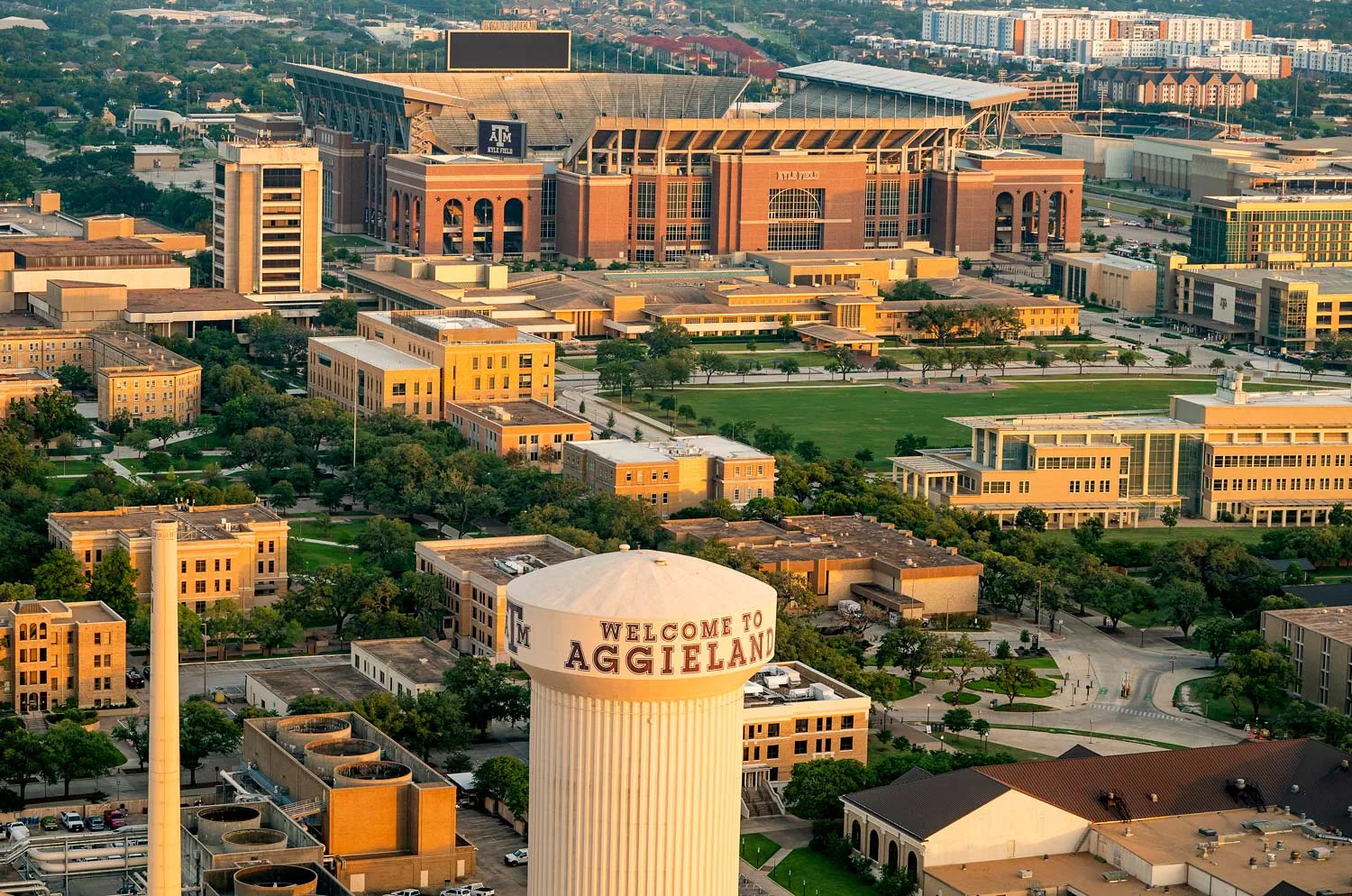
Bryan’s commercial and industrial properties sit within a regional mix that also includes College Station research, health-science, office, retail, and hospitality space. A manager overseeing buildings in both cities can keep inspection notes consistent while still recording each roof’s material, access conditions, and operating needs. We can link the maintenance list to an existing condition report and identify any area that should move into a hands-on inspection. When findings point beyond planned maintenance, the record can support a repair or replacement evaluation in the capital cycle.
Commercial Roofing Questions
What should a maintenance visit cover on a commercial roof?
We review seams, flashing, penetrations, drainage, edge details, equipment curbs, and visible surface changes. The closeout lists completed tasks, repair candidates, access limits, and items that need testing or another inspection window.
How does maintenance differ from a roof inspection?
A maintenance visit includes condition review and agreed upkeep such as debris removal or a localized correction. An inspection may focus more broadly on documenting the assembly and its condition. We state what was examined and what remains outside the approved work.
Can regular maintenance extend the time before replacement?
It can address repairable conditions and preserve a record of changes, but the result depends on the roof assembly and what is found. We compare current observations with prior repairs and explain when a broader capital review is supported.
What records help plan the first maintenance visit?
Roof plans, prior leak and repair notes, equipment changes, access rules, occupied hours, and any open work orders help set the visit scope. We use them to locate recurring conditions and prepare an efficient route across roof areas.
Will a hail report trigger work on every building nearby?
No. A regional report helps set timing for a review, while a work recommendation depends on the roof itself. We document visible impact, open details, or water entry at the property and keep routine maintenance separate from a damage scope.
Plan a maintenance review
Share roof plans, repair history, occupied hours, access procedures, and equipment restrictions. We can review the assembly, document upkeep needs, and sequence follow-up around your operating calendar.
Related Roofing Work
Request a Roof Assessment
Tell us about the building, the roof and what you are seeing. We look at leaks, storm and wind damage, aging membranes and planned replacements on commercial properties across College Station, Bryan and Brazos County.