Manufacturing Plant Roofing in College Station, TX
Manufacturing Plant Roofing
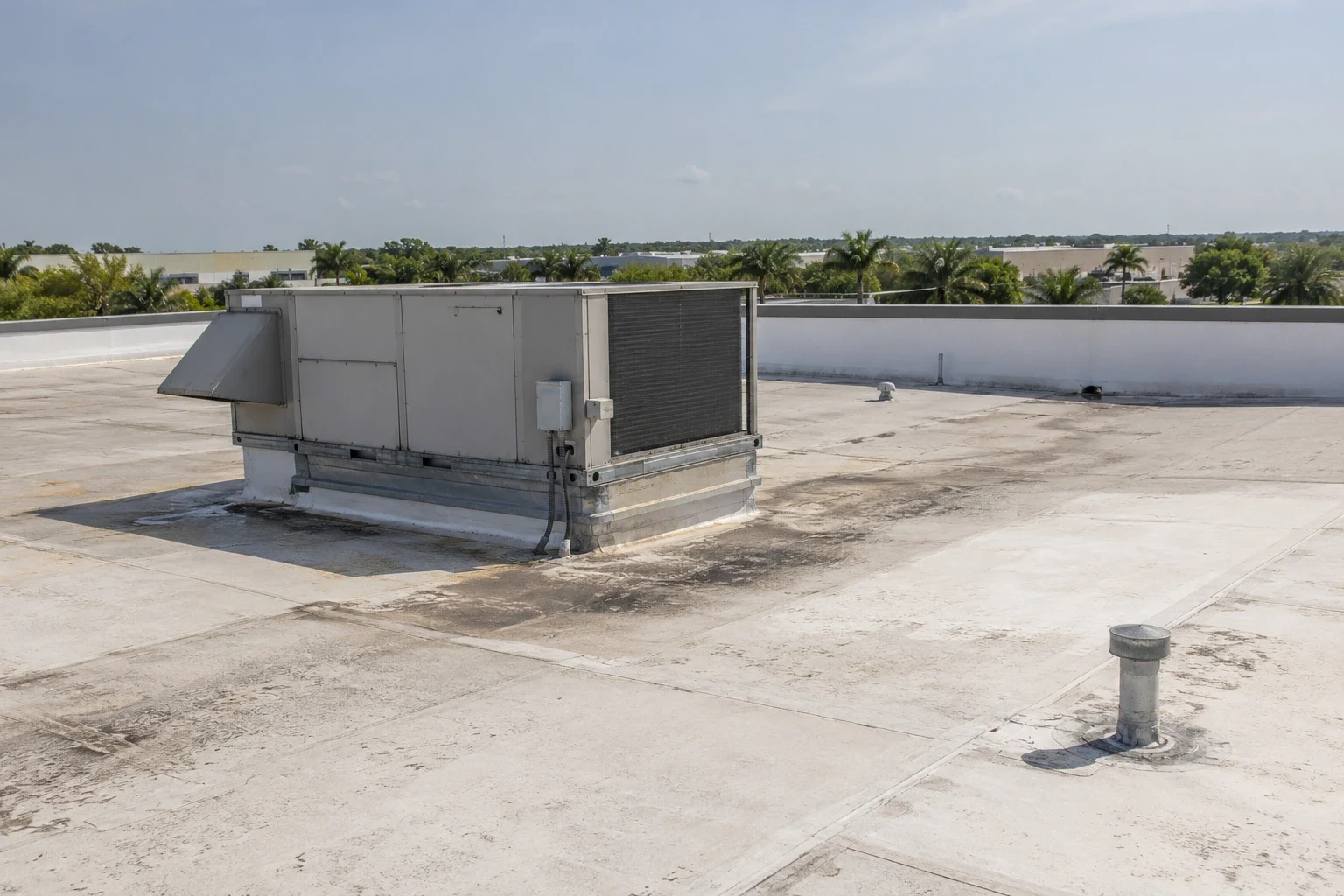
Production schedules, rooftop equipment, and interior process areas shape how a manufacturing roof can be inspected or repaired. A roof condition that seems small from above may affect a sensitive room, stored materials, or a shift change below. We document the assembly and visible details, then coordinate findings with your facilities contact and operating calendar. In the Bryan and College Station market, manufacturing sits alongside research, healthcare, offices, and industrial property, so a plant's roof needs to be evaluated on its own terms. We can plan access, identify priority zones, and outline a practical next step before work is scheduled.
Map roof conditions to the process below
Start with the parts of the operation that need uninterrupted protection. We ask about production shifts, restricted rooms, ventilation, utility routes, equipment access, and the person who can approve field decisions. That context helps us place roof observations against interior use instead of treating the building as an empty shell. If you have roof plans, leak history, or previous repair records, we use them to identify repeated conditions and areas that deserve closer review.
Manufacturing plants can have additions, roof-height changes, multiple membrane types, or localized metal sections. We record those transitions and note where access was limited. Findings are organized by area so your team can compare a seam, penetration, curb, or drain with the process space beneath it. A roof condition report should help maintenance staff distinguish completed work from open items and decide when to revisit a location.
Consider heat and weather at the roof level
College Station's July normal high averages 95.4°F for the month. In the daily series, the figure is 94°F at the start and 97°F at month-end. This heat profile can shape a plant's roof-access window, but technical decisions still come from inspecting the installed assembly and the reported condition.
The NWS account of a 2019 EF-2 tornado says four commercial structures and warehouses sustained damage east of Bryan. That is useful regional storm history, not a finding about any other plant. A storm-related roof review can record the visible condition, the affected zone, and any follow-up needed before routine maintenance continues.
Inspect penetrations, drainage, and equipment supports
Process ventilation, exhaust, piping, and rooftop units create details that require careful coordination. We review visible flashing, curbs, support points, seams, and adjacent membrane for signs of movement or water entry. Where a concern is near drains or scuppers, we note whether the opening, connection, and surrounding surface can be reached safely. If the roof contains standing water reports, we record location and conditions rather than assuming that a single drain explains the issue.
Any invasive testing or work that could affect production needs a clear access plan. We identify the questions the inspection can answer from the surface and what additional access may be needed. For a plant with several roof assemblies, comparing details by zone helps avoid carrying a repair assumption from one section to another. We can coordinate a focused drainage review when water management is part of the reported condition.
Choose a scope that matches the evidence
A small repair fits only when the affected point is identifiable and adjacent material remains serviceable. For a recover or coating, examine the deck, moisture state, attachment, roof layers, drainage, and compatibility before comparing that route with removal. When trouble recurs in several zones or the existing assembly cannot meet the intended service life, replacement deserves a documented comparison with continued repair.
The installed system governs detail work. An existing EPDM assembly has seam and transition requirements that differ from metal or built-up construction. For larger projects, replacement planning can set zones, protection, and sequencing. We tie the recommendation to observed conditions and production constraints.
Schedule work around production and equipment access
Before mobilization, we confirm access credentials, staging areas, lift locations, material routes, work hours, and any restrictions around process operations. A phased sequence may let one roof area proceed while another remains available for equipment servicing or production support. We agree on temporary protection, weather-response communication, and the point at which a phase is considered complete.
When concealed conditions appear, we document what is visible and coordinate with the person authorized to approve a change. That keeps the scope tied to the actual roof instead of expanding without a defined reason. A concise daily handoff can identify which areas were accessed, what remains protected, and any decision needed before work continues. These details help the facility manager balance the roof project with maintenance, production, and contractor schedules.
For production areas, the inspection map can connect each roof zone to the process or service area below it without exposing sensitive operational details. We record access boundaries, observable conditions, photographs, and any testing that requires separate authorization. That gives maintenance staff a practical basis for comparing future visits.
Your plant team can identify which production periods allow access above high-priority rooms and which work requires a separate outage window. We map those limits before a crew stages material, then use roof-zone labels to connect observations with the approved scope. If field conditions differ from the plan, the record states what changed, who reviewed it, and what decision remains open so the next maintenance discussion stays focused on the affected roof section.
Coordinate service across the local industrial area
College Station's Midtown Business Park is planned on 252 developable acres for commercial, corporate, office, light industrial, manufacturing, and retail buildings. For a manufacturing property, share the plant location, process access restrictions, and operating plan so we can coordinate an inspection with the facilities contact.
FM 2818, also called Harvey Mitchell Parkway, connects destinations across the urban area and serves commercial and residential land uses. A warehouse roof or distribution center roof can have different scheduling and access needs from a production facility. For work in College Station, keep each property's operating procedures and roof history with its own record.
Leave maintenance with a clear next action
Closeout should state the areas inspected, photographs recorded, work completed, and any observation or repair still open. We note access restrictions and explain when a conclusion depends on further testing. Your facilities team can then use the record during the next maintenance window rather than reconstructing the history from a short service note.
If a plant is preparing a larger capital project, we can review the roof plan, production calendar, and repair history with your point of contact. The resulting scope should help your team understand the sequence, protection needs, and decisions that must be made before work reaches the roof.
Commercial Roofing Questions
How do you plan roof access around production?
We review shifts, restricted areas, equipment routes, staging, and the person who can approve field decisions. Those details shape the inspection path and help identify where work can be phased around plant operations.
Can you inspect around rooftop process equipment?
We document accessible curbs, supports, penetrations, and nearby roof materials. If safe access or additional testing is needed, the report identifies the limitation and the next step rather than assuming what is concealed.
When is a repair preferable to replacement?
A repair may fit a defined defect when the surrounding assembly remains serviceable. We consider recurrence, moisture information, drainage, attachment, and roof history before recommending a broader scope.
How do storms affect a manufacturing roof review?
After a severe-weather report, we can document visible conditions at edges, seams, accessories, and rooftop supports. Regional storm history provides context, while the specific building findings determine the recommendation.
What should the closeout record include?
We can organize dated photographs, locations, completed work, open conditions, and access limits. That gives maintenance and ownership teams a clear starting point for follow-up or capital planning.
Plan a manufacturing roof assessment
Share roof plans, prior repair notes, operating restrictions, and your production calendar. We can coordinate a College Station or Bryan review with your facilities contact and outline a scope based on observed conditions.
Related Roofing Work
Request a Roof Assessment
Tell us about the building, the roof and what you are seeing. We look at leaks, storm and wind damage, aging membranes and planned replacements on commercial properties across College Station, Bryan and Brazos County.