
Commercial Roofing in Midtown District, College Station, TX
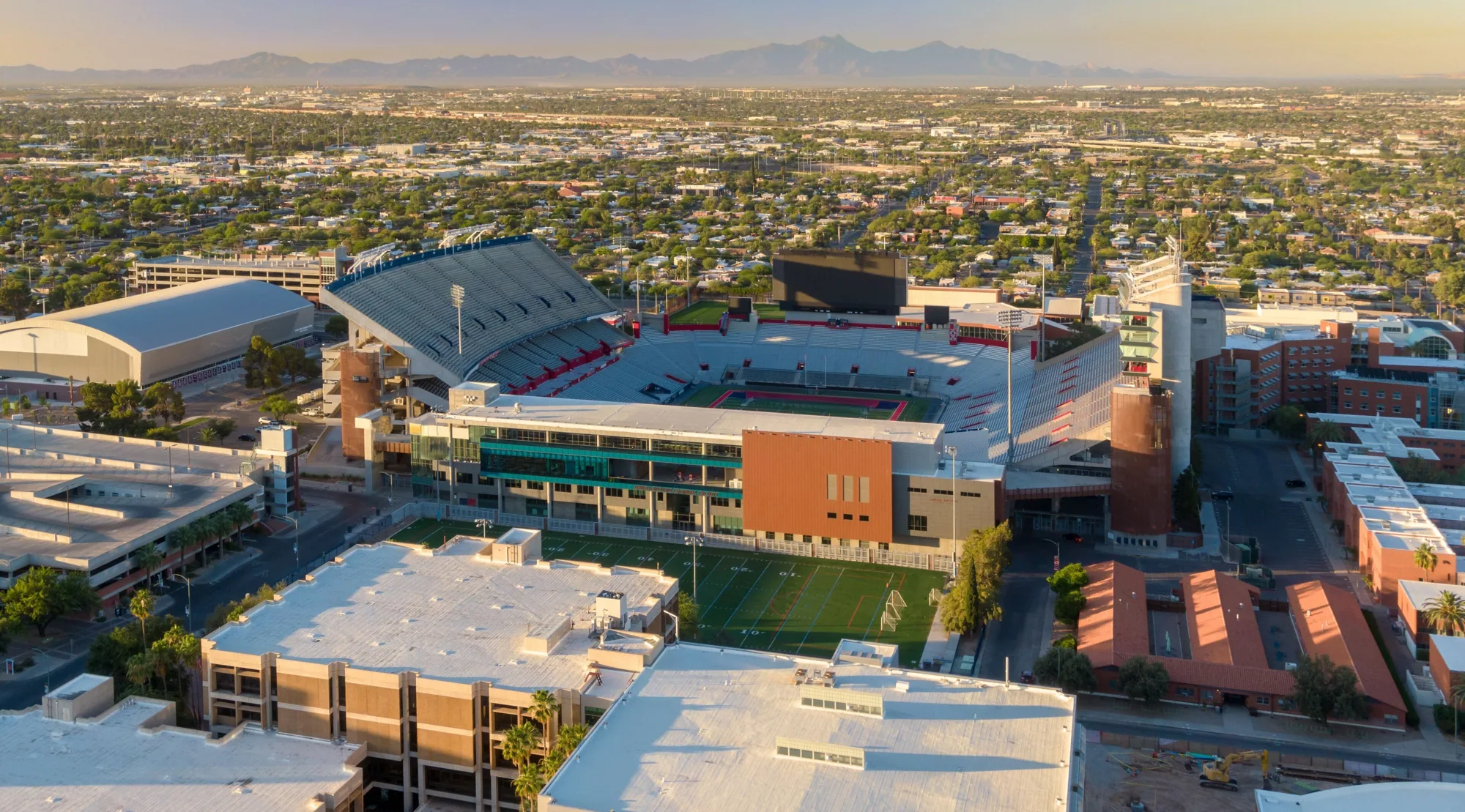
Midtown District
Office, retail, and residential roofs across the College Station Midtown District, College Station, TX serve different occupants within one roughly 280-acre mixed-use area. Existing housing, office, and retail sit alongside planned commercial growth, so an asset team may be managing older roof records while preparing for new work nearby. We start each review with the building’s use, roof assembly, and current condition, then coordinate access and the repair window with the people who rely on the property.
Midtown has visibility and direct access from Highway 6, while the district supports business, shopping, dining, recreation, and residential uses. That mix makes clear property-level records useful: access details, penetrations, drain locations, and work history should remain tied to the building where they were observed. A commercial roof inspection can establish that record before a repair, tenant change, or capital request is scheduled.
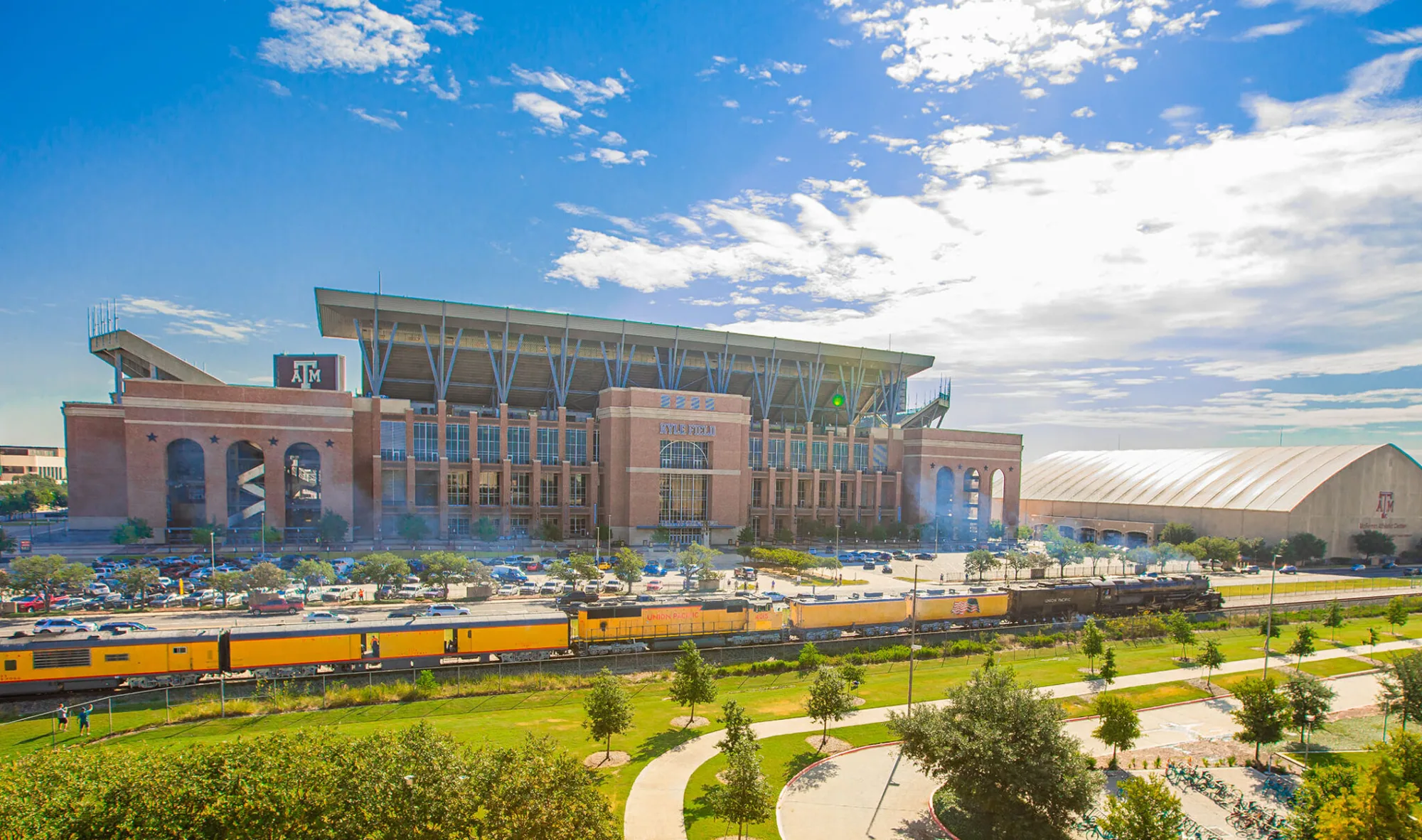
Map the use before the scope
The district’s blend of housing, offices, and retail does not point to one standard roof assembly. A residential property may have several separate roof areas and resident access needs; a retail or office building may have rooftop equipment and service routes that constrain staging. We identify those conditions during intake, then confirm the actual system and detail layout on the roof.
Highway 6 connects Midtown to the wider College Station commercial area. Before a visit, we confirm the building entrance, roof-access route, and schedule with the property contact, then label observations by the roof area inspected. A separate Northgate District review can use the same reporting standard while preserving its own roof history.
For a first visit, the property team can provide plans, prior repair scopes, leak reports, and roof access rules. We note occupied hours, equipment that needs service clearance, and any area that requires escort or advance notice. The field plan then gives the crew a clear route and tells management which spaces may be affected during the inspection or repair.
Check edges after strong wind
College Station’s severe-weather history includes an 85 mph wind gust on June 3, 2023. It guides an edge review, but does not establish damage at a Midtown property. The field review covers corner zones, coping joints, metal edging, curbs, and wall junctions; we label movement and place it in a photo showing the surrounding roof surface.
A wind-related opening may be small while the membrane field remains intact. We look for lifted flashing, loosened fasteners, pulled sealant, and movement around rooftop equipment, then determine whether temporary protection is needed before permanent work. The written scope should identify each observed condition and distinguish urgent water protection from repairs that can be included in a planned project. When an event does affect the property, wind-damage repair can follow those findings.
After a reported wind event, review edges, coping, and transitions, then compare follow-up photographs with the repair record. Schedule another look if movement or an opening remains visible.
Coordinate work across occupants
On a mixed-use property, a roof activity can affect several groups at once. We identify entrances, resident paths, retail service hours, loading periods, and any roof equipment that supports occupied space. The manager can then review proposed work areas and notices before a crew arrives. Where an access restriction or equipment shutdown changes the method, it belongs in the scope rather than as a field-day surprise.
Small repair work can often be divided by location, while a broader project may need a sequence that limits open roof area and protects interior uses. We consider staging, material movement, weather protection, and return access for mechanical or electrical trades. A phased reroof can define those sections and the order in which each is opened and closed.
When resident or tenant reports point to water inside, we map each report to the roof above and check nearby transitions. Water may travel before it appears indoors, so the visible ceiling mark is a clue, not the repair boundary. A focused leak repair should identify the roof opening, affected materials, and any follow-up needed to verify the correction.
Protect the roof’s drainage path
Retail and residential use create different interior consequences when drainage slows, but the roof check is grounded in the outlet and surrounding plane. We inspect strainers, drain bowls, overflow points, scuppers, and the membrane around each penetration. Debris or a shifted screen may be a maintenance item; a cracked flange, poor transition, or persistent low spot calls for a more specific repair decision.
Photographs should show the outlet, water mark, and a wider roof view. That makes it possible to tell whether standing water is isolated to one drain or appears across a larger zone. We note recent cleaning or roof work when known, since a new obstruction or repair can change the flow path. If an outlet assembly needs correction, drain and scupper service can be scoped to the affected area.
The owner can use a maintenance visit to clear accessible debris and review drains before seasonal rain, while a construction crew addresses failed details or slope concerns. We keep those tasks separate in the report so a completed cleaning is not mistaken for a repair to the underlying roof condition.
Keep current work tied to growth
Planned commercial growth can affect a property’s capital calendar even when the existing roof remains serviceable. An owner may need to decide whether to repair now, carry a replacement allowance, or coordinate roof work with a renovation. We document remaining repair candidates and the conditions that could expand the scope, then identify what further testing would clarify before funds are committed.
A recover is worth reviewing only when the existing assembly and substrate can support it. Wet insulation, repeated leakage, weak attachment, or incompatible roof layers can push the decision toward removal. We compare those paths with equipment transitions, drainage, edge details, access, and work phasing. An updated capital roof plan can keep the work sequence aligned with the property’s operating and improvement schedule.
For owners with properties in both Midtown and Bryan, coordinate a separate Bryan roof review while retaining building-specific photos, findings, and repair history. Shared oversight can simplify scheduling, but the recommendation remains tied to the assembly and condition found at each site.
Give managers a clear handoff
A useful handoff states what was observed, where it sits, what action follows, and who needs to coordinate access. We include labeled photos, repair status, and any condition that could not be confirmed during the visit. If a detail needs moisture testing or opening for verification, that question stays visible until the owner approves the next step.
For a recurring review, use the same roof-area labels and compare them with prior notes. This shows whether a repair held, whether a new tenant improvement changed a penetration, or whether drainage needs another visit. The report can support a maintenance request, a project estimate, or a capital discussion without replacing the manager’s approval process.
Commercial Roofing Questions
Does the district’s growth mean each roof needs replacement?
No. Planned growth is a property-planning factor, not a condition finding. We assess the existing assembly, moisture, attachment, and repair history before recommending maintenance, recover, or replacement.
What should be checked after a strong gust?
We inspect perimeter attachment, coping, edge metal, flashing, curbs, and exposed seams. Photos identify what moved and whether the roof has an opening that needs temporary protection or permanent repair.
How can roofing work be coordinated for mixed-use buildings?
We plan by roof zone and identify the occupants, entrances, equipment, and hours affected by each task. Notices and trade access can be included in the sequence before field work begins.
Can one inspection cover offices and residential areas?
A coordinated visit can review several roof areas, but findings should stay labeled by building and assembly. Separate records help management track each repair and avoid applying one roof’s condition to another.
What information helps set a capital allowance?
Roof plans, repair history, moisture findings, known access limits, and planned improvements help define the likely work boundary. We identify unresolved conditions that could change the allowance before the budget is finalized.
Schedule a Midtown roof assessment
Share roof records, occupant schedules, access needs, and the timing of planned improvements. We will arrange a field review and document a practical repair or capital sequence.
Related Roofing Work
Request a Roof Assessment
Tell us about the building, the roof and what you are seeing. We look at leaks, storm and wind damage, aging membranes and planned replacements on commercial properties across College Station, Bryan and Brazos County.