
Warehouse Roofing in College Station, TX
Warehouse Roofing
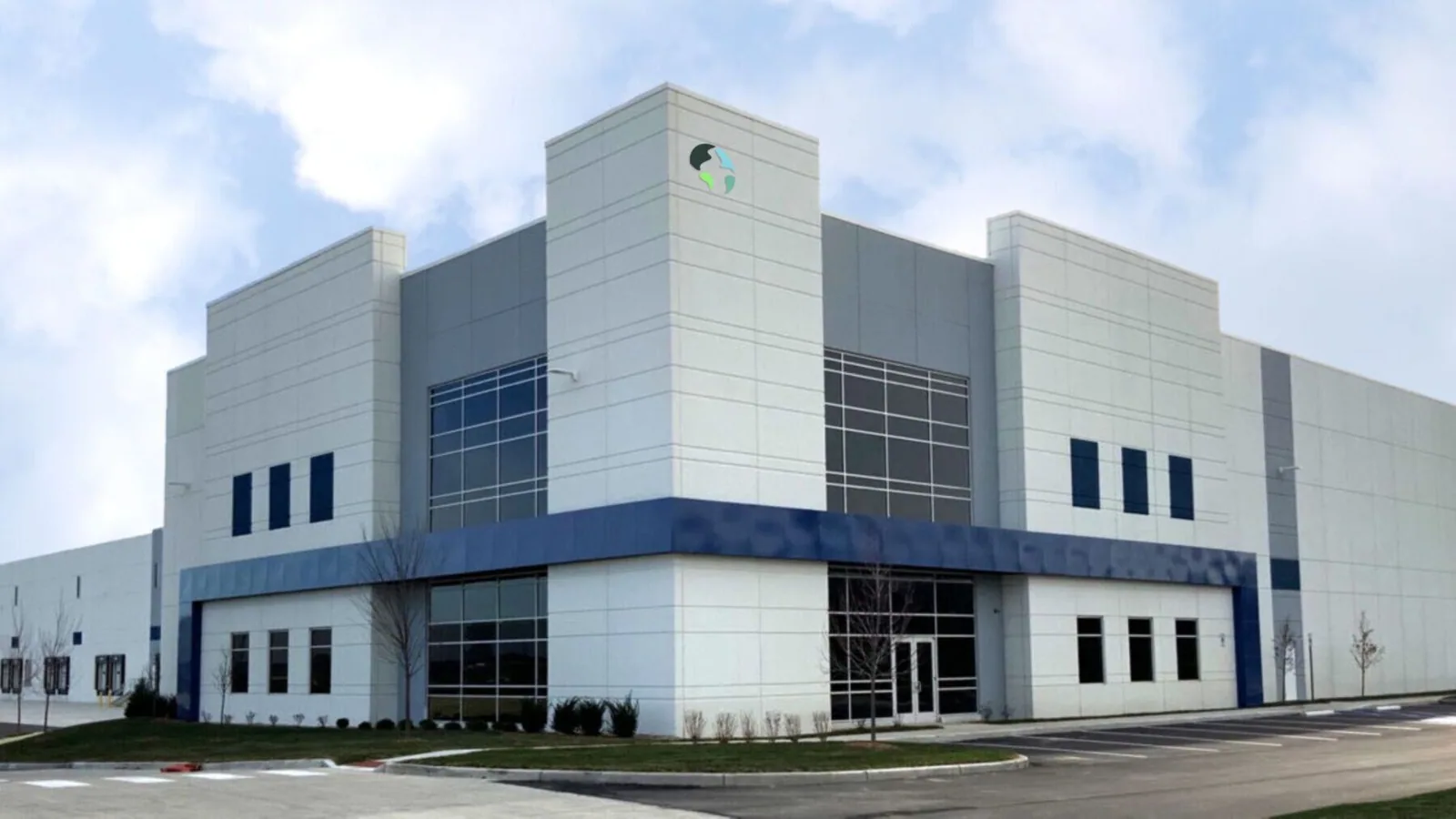
A warehouse roof has to protect inventory, loading activity, and the people coordinating movement below it. In College Station, roof decisions also sit within a broader mix of research, office, retail, hospitality, manufacturing, and industrial properties. Our team reviews the roof assembly, drainage, edge attachment, penetrations, and documented repair history, then connects observed conditions to practical next steps. That gives an owner or facilities manager a useful basis for scheduling maintenance, containing a leak, or planning a larger capital project. The work begins with your operating constraints, including loading windows, occupied areas, equipment access, and any limits on staging.
Start with the way the building moves goods
Warehouse buildings can combine broad roof fields with offices, shipping areas, high-bay storage, and mechanical zones. A small opening above an active pick area may need a different response from a deteriorated seam over an infrequently used section. We ask where inventory is stored, which aisles must remain open, how deliveries are sequenced, and who can approve access before setting the inspection or repair plan.
That operating picture helps us prioritize findings without assuming that every square of roof needs the same treatment. A roof plan, prior repair notes, leak dates, and photographs can help connect a reported interior symptom to an exterior detail. When records are incomplete, we establish a practical baseline and identify the locations that deserve closer observation. The result can be retained with the building's roof asset record for later comparison.
Read drainage and roof details as a system
For a warehouse, water management should be considered alongside broad roof fields, skylights, penetrations, and perimeter details. We record whether debris, drain condition, or a prior overlay affects the reported area, then distinguish a confirmed defect from a location that needs monitoring. July in College Station carries average daily highs of 94°F to 97°F, with a 95.4°F monthly mean high; that context helps plan access and material handling, while roof condition drives the scope. A focused drain and scupper review can isolate a reported drainage concern.
Respond to storm findings without guessing
The April 8, 2021 severe-weather report records hail measuring 1 to 2.75 inches in the Bryan-College Station area. When a warehouse reports a leak or visible impact after weather, we compare accessible roof surfaces and vulnerable details with the specific interior location. A regional storm record does not prove that a particular property was damaged.
Wind-related follow-up can include corners, edge metal, supports, and transitions when the reported conditions point there. We separate urgent water entry from items that can be monitored, and record the evidence needed for the next decision. If review shows a broader condition, a storm-damage roof review can establish the scope and follow-up points.
Choose repair, restoration, or replacement from evidence
Repair fits when the affected area is identifiable, the surrounding assembly remains serviceable, and the work can be completed without masking a larger condition. Restoration or recover options require a different review of existing layers, moisture, attachment, drainage, and compatibility. Replacement planning becomes more relevant when defects recur across several roof zones, repairs no longer provide a dependable sequence, or the assembly's condition cannot support the intended service period. We explain what we observed and what remains unknown before recommending a path.
That distinction matters in a warehouse because work can affect receiving, shipping, inventory protection, and tenant coordination. An organized TPO roof assembly may call for a different detail strategy than a metal roof or an older built-up system. For facilities comparing larger scopes, our commercial replacement planning can connect condition findings with phasing, access, and interior protection needs. No system should be selected from a label alone; substrate, drainage, penetrations, and the existing roof layers need review.
Build the work sequence around access and continuity
Before mobilization, we coordinate delivery routes, lift locations, roof access, protected areas, and the person who can make field decisions. Warehouses may have time-sensitive loading periods, changing inventory positions, or security procedures that affect where crews can stage. We identify the sections that can be isolated, the routes that must stay open, and the communication points for weather changes or discoveries. If work must be phased, the sequence should keep temporary conditions clear and avoid leaving a transition without a defined closeout.
For a larger building, dividing the roof into manageable zones can make progress easier to track. Each zone can carry its own location references, photographs, repair notes, and follow-up items. This approach supports a realistic operating calendar and gives ownership a cleaner record for budgeting. When a repair exposes concealed conditions, we pause at the decision point, document what is visible, and agree on the next action before widening the scope.
A useful warehouse record also notes loading periods, staging restrictions, and any roof access route that must remain clear for other service work. We capture those operating limits with the zone map, so a later inspection can distinguish a change in roof condition from a change in access or inventory layout.
Account for the regional industrial setting
Warehouse roof planning takes place within a varied regional economy that includes university-linked research and health-science activity, manufacturing, offices, hospitality, retail, and rail-served industry. Two industrial properties illustrate that setting: Texas Triangle Park sits in northeast Bryan, while the joint Brazos County park occupies land south of SH 21 and west of FM 2818. For work near either industrial area, confirm the warehouse gate, dispatch windows, and roof-access procedures with the property contact.
For geographic orientation, the MPO describes FM 2818/Harvey Mitchell Parkway as a route of about 20 miles joining SH 6 at its northern and southern ends. Residential and commercial land uses border the corridor. For portfolios in Bryan, we keep separate access records. A building involved in distribution activity or manufacturing operations needs its own operating plan and roof assessment.
Keep findings useful after the crew leaves
Closeout should make the next inspection easier. We organize photographs by roof area, describe completed work in plain terms, note any conditions that were not accessible, and identify recommended observation or follow-up. If interior reports continue after a repair, those dates and locations can be compared with the roof-side record instead of starting over.
For ownership teams managing several assets, useful records also support capital planning and vendor coordination. The final summary should state what was inspected, what was repaired, what remains open, and who should receive the next update. We can review your roof plan, leak history, and access procedures before scheduling a warehouse inspection in College Station or Bryan.
Commercial Roofing Questions
What should I prepare before a warehouse roof inspection?
Share available roof plans, past repair notes, leak locations and dates, loading schedules, roof-access procedures, and any areas that need special protection. If some records are missing, we can establish a baseline during the review.
Can repairs be scheduled while a warehouse stays open?
Often, the sequence can be coordinated around receiving periods, occupied zones, and access rules. We confirm staging and work areas with your team before mobilization, then keep any phased work and temporary conditions clearly identified.
How do you decide whether a roof needs replacement?
We assess the assembly, recurring defects, drainage, repair history, and any information about concealed moisture. The recommendation explains what supports continued repair, what needs more investigation, and when replacement planning is the more practical next step.
Do you review roofs after hail or high wind?
Yes. We document visible conditions, vulnerable details, and reported interior symptoms, then distinguish confirmed damage from areas that need closer evaluation. A documented review avoids assuming that a storm affected every roof the same way.
What is included in project closeout?
Closeout can include dated photographs, the areas reviewed, work completed, items needing follow-up, and access limitations. These notes give your facilities team a usable starting point for the next inspection window.
Plan a warehouse roof review
Send the roof plan, leak history, access requirements, and operating calendar. We can review the building, document observed conditions, and outline a practical next step for your College Station or Bryan property.
Related Roofing Work
Request a Roof Assessment
Tell us about the building, the roof and what you are seeing. We look at leaks, storm and wind damage, aging membranes and planned replacements on commercial properties across College Station, Bryan and Brazos County.