
Commercial Roofing Partner for General Contractors in College Station, TX
General Contractors
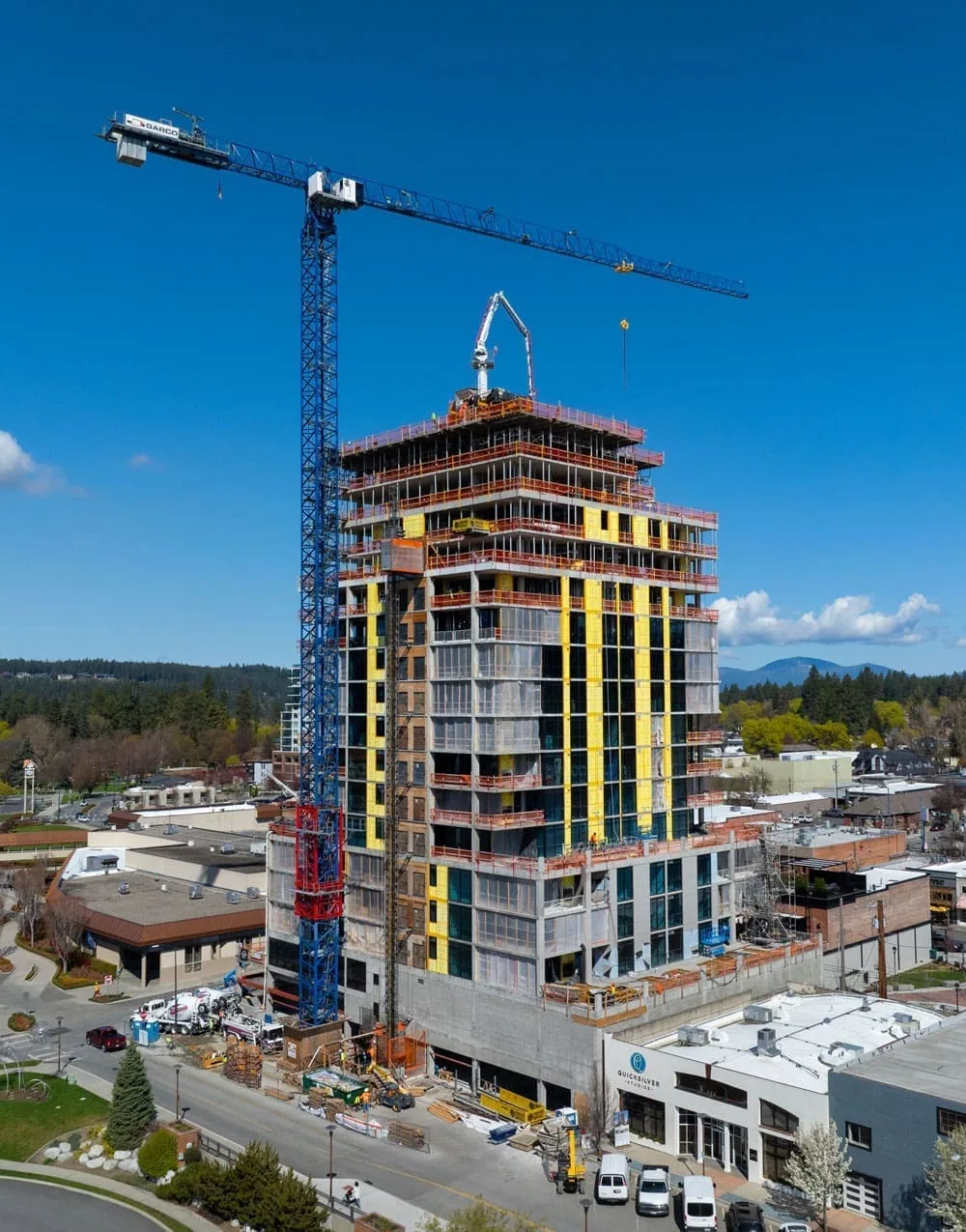
A general contractor needs roofing work to line up with structure, mechanical, electrical, and interior trades without leaving the building exposed between phases. On a College Station, TX project, we coordinate the roof scope around access, site logistics, approved drawings, and the schedule the owner has to meet. We inspect existing conditions where required, define the roof areas and details included, and identify transition points that affect temporary protection. That gives the project manager a workable package for sequencing, coordination, and closeout.
Share the project schedule, roof plans, submittal requirements, access rules, and the contact authorized to resolve field questions. We can review the scope with your superintendent and note where a roof detail depends on another trade’s work. For manufacturers or industrial owners, a production-site roofing sequence can account for process operations that continue during construction.
Set the roof boundary early
Roofing scope should identify the assembly, area limits, substrate assumptions, edge conditions, penetrations, drainage, equipment supports, and any temporary tie-in. On an existing building, we inspect accessible areas and note concealed conditions that could change the work. On new construction, we review the roof plan, details, and adjacent trade interfaces before material procurement. A written boundary helps distinguish included accessories from items that belong to mechanical or sheet-metal scopes and reduces field questions after mobilization.
Submittals should match the roof design and project requirements. We identify the system type, insulation and cover board arrangement, attachment method, flashing details, and compatibility needs for existing surfaces. If the project includes a change to energy performance, confirm the design team’s code assumptions before the roof assembly is finalized. College Station’s adopted 2024 energy and building codes took effect January 1, 2026, and commercial and multifamily energy designs require COMcheck reports. A TPO assembly is one option only when it fits the drawings, substrate, and project criteria.
Before award, we can mark scope questions by drawing reference and identify which details need an owner or design-team answer. That may include drain locations, overflow provisions, parapet terminations, or substrate repair responsibility. Resolving those items early helps the superintendent plan sequencing and gives the estimator a more stable basis for allowances. If a submittal proposes an alternate assembly, the decision should address compatibility and project requirements before material is ordered.
Coordinate penetrations and transitions
Rooftop units, curbs, vents, piping, and electrical supports create interfaces that need a clear installer and inspection point. We confirm locations before membrane work, coordinate curb dimensions and equipment timing, and review flashing after the adjacent trade is complete. If a penetration moves after the roof plan is approved, the field change should be resolved before it is covered. We can identify the roof detail, temporary protection, and responsible trade in the coordination record so the superintendent can track the handoff.
Perimeter edges and drainage also connect roofing to other scopes. Parapet conditions, coping, gutters, scuppers, and overflow paths should be checked against architectural and sheet-metal details. We review the roof’s water path and note where an unfinished edge or blocked drain could affect the next phase. A perimeter metal scope or drainage package can be coordinated with the general contractor’s schedule. The record should state which areas are ready for roofing and which need another trade before installation proceeds.
Plan for the regional work setting
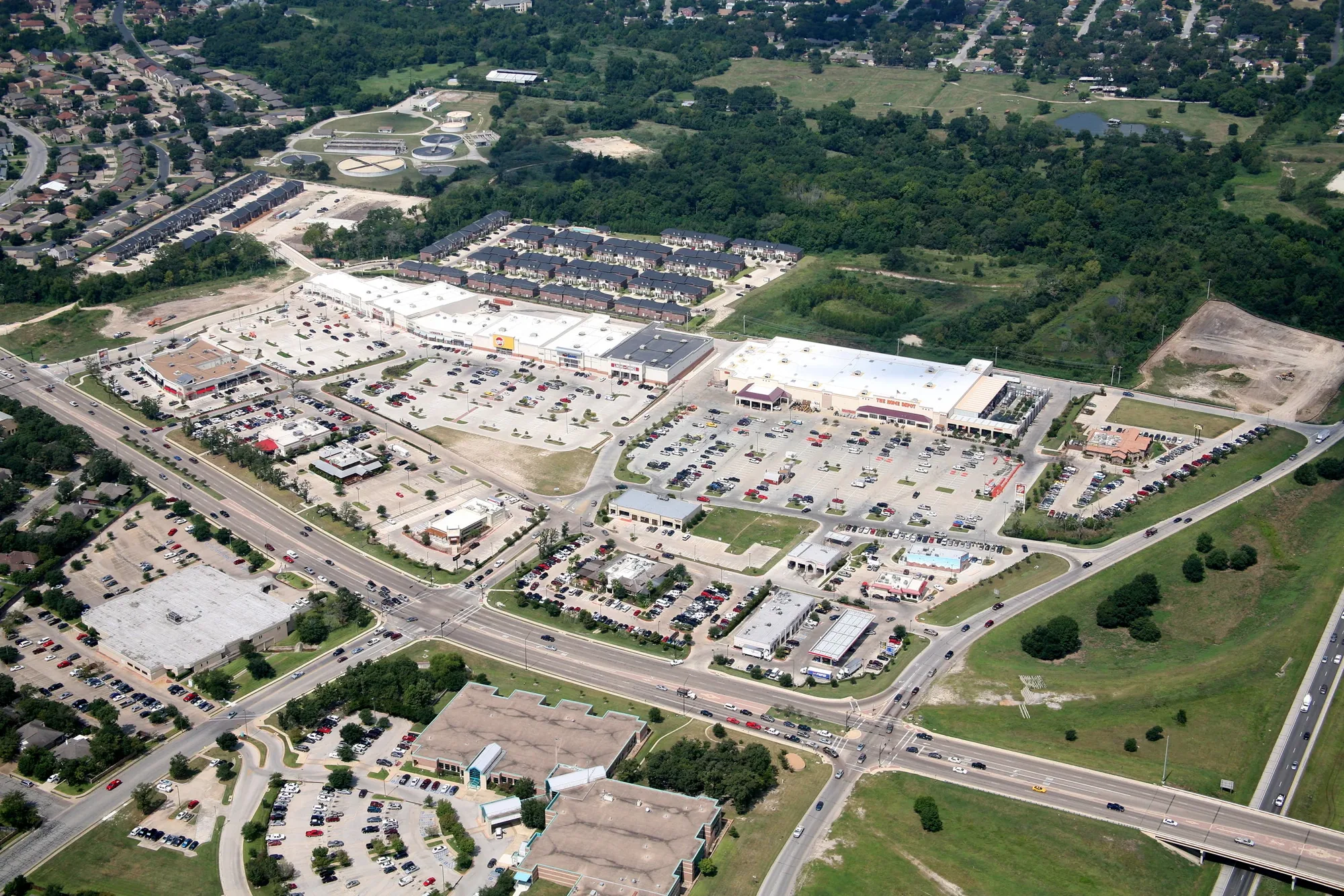
College Station and Bryan include office, retail, hospitality, research, manufacturing, and industrial properties. That range brings both occupied renovations and new commercial construction into the local market. FM 2818, also known as Harvey Mitchell Parkway, runs through commercial and residential areas across the urban region. When a contractor has several nearby scopes, visit order can account for crew access and delivery routes, while each project keeps its own site logistics and roof conditions.
For a project in Bryan, confirm check-in, staging, delivery hours, and the site superintendent who can resolve field questions. Maintain a separate submittal and closeout record for each property, with its assembly, drainage design, perimeter details, and approved changes. List delivery windows and site contact numbers in the same logistics record. If the building is already occupied, a public-facility scope may also need access, procurement, and public-route considerations in addition to trade sequencing.
Keep the building weather-tight
Sequencing should protect each completed area and define what happens at the end of a shift. We coordinate deliveries, staging, hoisting, roof access, open work areas, and securement before weather changes. At a tie-in, the plan identifies the temporary closure method and which crew is responsible for removing or completing it. If a concealed condition appears, we document the area, notify the superintendent, and confirm direction before extending the scope. Those steps help the project maintain a clear weather barrier through the sequence.
College Station has recorded severe hail, tornado, and high-wind events. Weather planning should account for the actual forecast and the state of the roof each day rather than rely on historical conditions alone. We identify which work can be secured, which section needs temporary protection, and how a delay will be communicated. For an occupied renovation, an occupied-building work plan can add interior protection, tenant notice, and staged access to the construction schedule.
Make closeout part of the scope
Closeout should include product and assembly records, photographs of critical details, completed work areas, and any open item requiring owner direction. We identify the roof areas inspected and note access or testing limits. The superintendent can compare that record with approved submittals, change documentation, and punch-list items. When a future service request occurs, the owner has a clearer basis for locating the detail and understanding which trades completed adjacent work.
If the scope is a repair or replacement on an operating building, the turnover file should also include temporary measures removed, drainage paths cleared, and any remaining maintenance recommendation. A roof condition record can preserve the roof observations for the owner after the project team demobilizes. When an active leak or storm opening needs prompt response, our service is available around the clock, including weekends and holidays, and we can coordinate the first action with the general contractor or owner contact.
For warranty turnover, retain the final roof plan, product details, maintenance instructions, and any authorized changes with the closeout photos. The next facilities lead can then identify system components and understand where a later trade penetrated or modified the roof. Clear records make service response more direct and help prevent an owner from treating an undocumented change as part of the original roof scope.
Commercial Roofing Questions
Can you review roofing scope before bid?
Yes. We can examine drawings, site conditions, access requirements, roof interfaces, and scope boundaries, then identify questions that need resolution before pricing or procurement.
How are rooftop penetrations coordinated?
We confirm location, curb or support requirements, trade responsibility, and installation timing, then review flashing after the adjacent work is ready.
What happens when an existing roof differs from the plan?
We document the observed condition, identify the affected area, and notify the project contact before changing the scope. Additional work proceeds after the owner or superintendent provides direction.
Can roofing proceed while other trades are active?
Often, with an agreed sequence, staging area, access route, and responsibility for temporary protection. We coordinate the roof work with adjacent trades and the building schedule.
What should be included in roof closeout?
Include approved assembly information, photographs of roof details, completed areas, repairs or changes, and any remaining access or maintenance item.
Coordinate the roofing package
Send the drawings, schedule, access plan, submittal requirements, and trade contacts. We will review the roof scope and define the interfaces, sequence, and closeout record.
Related Roofing Work
Request a Roof Assessment
Tell us about the building, the roof and what you are seeing. We look at leaks, storm and wind damage, aging membranes and planned replacements on commercial properties across College Station, Bryan and Brazos County.