
Commercial Roof Edge Metal and Gutter Repair in College Station, TX
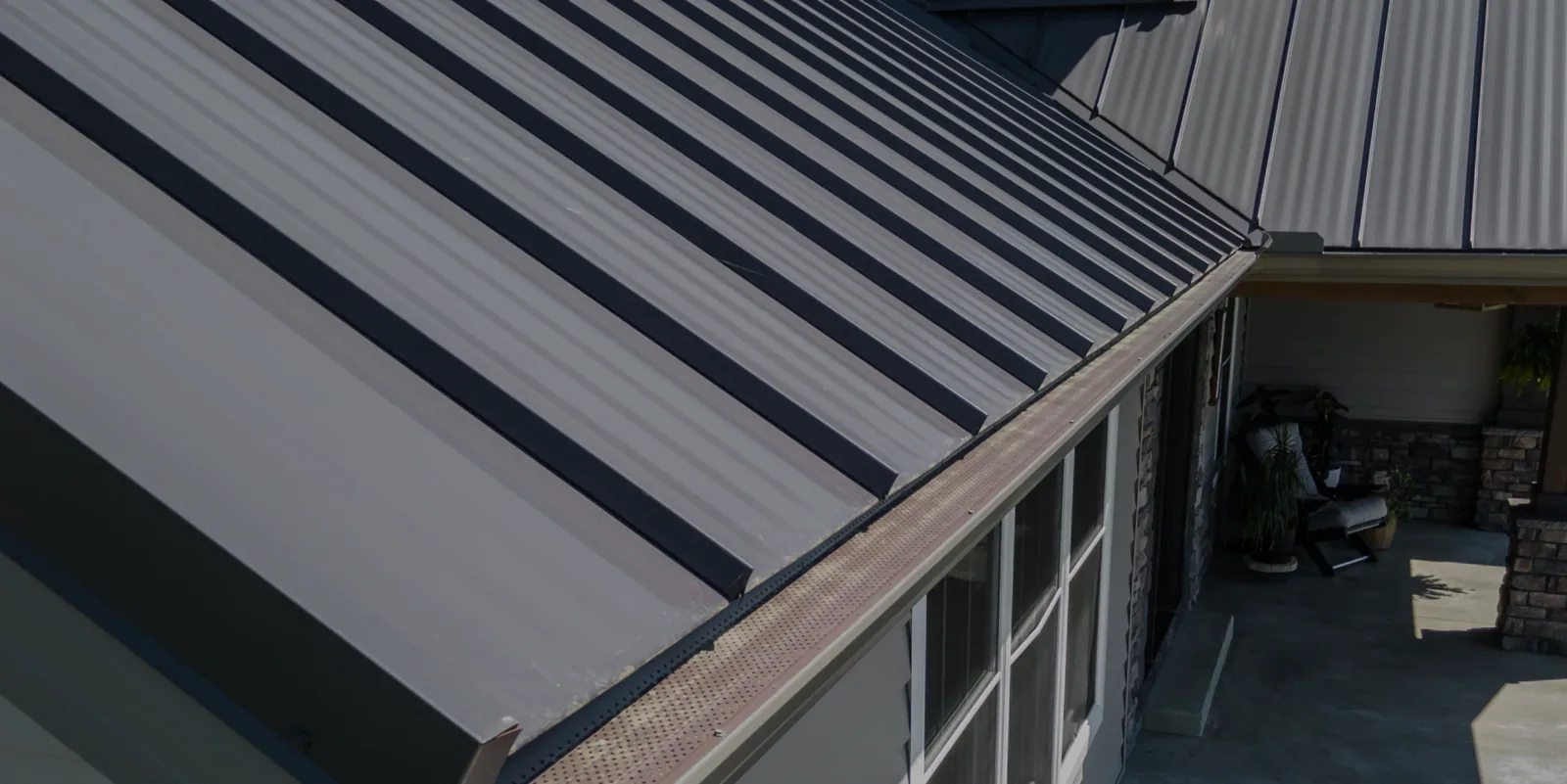
Commercial Roof Edge Metal and Gutter Repair
A roof edge ties the membrane or panels to the wall and directs water toward a controlled outlet. On a commercial property in College Station, TX, loose edge metal, open coping joints, separated flashing, or a disconnected downspout can affect both the roof barrier and the building below. We inspect the perimeter, transitions, fasteners, sealant, gutters, and discharge points, then identify which detail is loose, damaged, or obstructed. The work record distinguishes an isolated correction from a longer section that needs evaluation. That lets the property manager plan access and repair scope without treating every roof edge as the same condition.
Inspect the edge as a connected assembly
We follow the perimeter from the roof field to the wall, coping, fascia, or gutter. The review looks for lifted metal, open laps, loose cleats or fasteners, failed splice joints, separated sealant, corrosion, and movement where roof materials meet. A visible gap may be limited to one connection or may continue along a longer edge. We record the start and end points and photograph a wider view that shows how the detail relates to the roof and wall. If the substrate or attachment is concealed, we note what would need to be opened to confirm it.
On a membrane roof, perimeter flashing has to integrate with the field system and the wall termination. On a metal roof, panel ends, trim, closures, and fasteners need to remain aligned as materials move. We check for water paths that could run behind the edge and for signs that wind has lifted or loosened a component. A repair detail should secure sound material and preserve the intended water direction. When a standing-seam assembly or membrane edge requires a different approach, we identify the material before proposing a repair.
Follow gutters and downspouts to discharge
A gutter can collect water correctly at the roof edge and still fail to move it away from the building. We check slope, hangers, joints, outlets, downspout connections, and visible blockage. The inspection considers whether discharge is directed toward a suitable path or back against a wall or entrance. If water is leaving the gutter at a seam, we identify whether the problem is a joint, attachment, or a damaged section. A drainage review can add the roof field and outlet to the same record when the water path includes both roof and edge components.
Scuppers, parapet openings, and downspouts also need clear access for maintenance. We note rooftop units, ladders, stored material, or tenant routes that affect how a crew can reach the work. Where a gutter or coping section is above an occupied entrance or loading area, the property contact may need to coordinate protection and staging below. The scope should state which area will be accessed and what temporary protection is needed. Those details are especially useful when the repair cannot be completed in one inspection window.
Relate edge conditions to local exposure
Wind and heavy rain can make a loose perimeter detail more consequential, but the field condition still decides what work is needed. We inspect attachment, laps, joints, and the roof material adjacent to the edge, then compare the finding with prior maintenance notes. A severe thunderstorm in June 2023 produced a local gust measured at 85 mph. That provides regional exposure context, while the repair scope depends on movement found at the inspected roof’s attachment, joints, and adjoining membrane. That event is relevant context for a review date; it does not prove that a particular coping, gutter, or roof edge was damaged. We document the observed movement or opening at the property and keep any regional history separate from the repair recommendation.
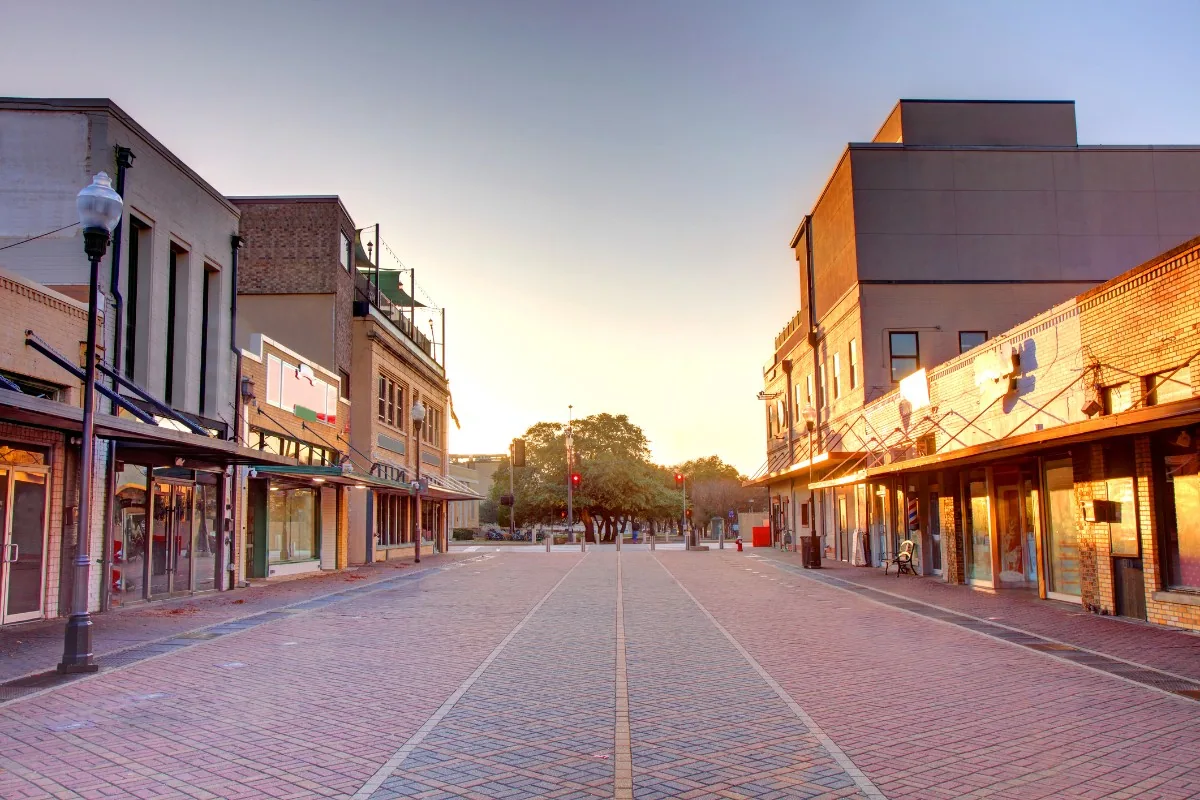
The Bryan and College Station core includes office, research, health-science, retail, manufacturing, hospitality, and rail-served industrial property. A property with multiple additions may have several edge conditions and materials, so we label each building section instead of relying on one general perimeter note. Northgate's mixed retail, hospitality, and mixed-use buildings can also require work planned around active entries and pedestrian routes. We include those operating constraints in the field record when they change how access, lift placement, or material handling will proceed.
Repair the transition and its attachment
Repair begins with sound material and an attachment that can hold the edge detail in place. We remove loose sections where needed, prepare the connection, and install compatible flashing or metal that ties into the existing assembly. Coping joints may require a splice or securement correction, while a gutter issue may involve hangers, seams, outlet connections, or a damaged run. We identify the repair limits and note any substrate condition that remains outside the scope. The finish should preserve drainage and avoid creating a lip or gap that catches water or debris.
If the edge condition appears across several roof zones, we compare the locations and decide whether the work remains a series of local repairs or belongs in a broader roof inspection. An opening at the perimeter that is admitting water may also need a leak trace to connect the exterior detail with interior reports. The property record can include photographs, repair methods, and a condition summary for the next maintenance or capital review.
Set safe access and closeout
Perimeter work may call for a lift, roof access equipment, a protected work area, or temporary control of a loading path. We coordinate the access plan with the site contact, confirm occupied hours, and identify any roof area where HVAC service must continue. Along FM 2818, which connects destinations across the Bryan and College Station urban area, vehicle staging can intersect active commercial or residential uses. We confirm an approved staging and tool route before moving material. If the property has tenant entrances below the work, we identify how pedestrian movement and temporary protection will be handled during the repair.
At closeout, we record the repaired edge or gutter section, the attachment or joint corrected, photographs, and any remaining item. If a downspout was clear but the roof still held water, we note that a separate slope or drain review remains. A maintenance visit can track recurring blockage or joint movement, while service in Bryan can be documented for a multi-property portfolio spanning both cities. The next inspection then has a location, baseline, and approved follow-up instead of a general note that the roof edge needs attention. Where the plan divides the perimeter into sections, we use the same identifiers in photographs and repair notes. The site team can then assign the next inspection to the correct building contact and compare the same splice or outlet over time.
Commercial Roofing Questions
What signs point to a loose roof edge?
Lifted metal, open joints, loose fasteners, separated flashing, or water appearing behind the perimeter can warrant inspection. We identify the location and whether the condition continues beyond the visible section.
Can a gutter repair stop water from reaching the wall?
It can correct a leak or connection problem at the gutter, but the discharge path also matters. We inspect slope, joints, outlets, and downspouts to define which part needs repair.
Do storm reports determine whether coping needs replacement?
A regional report helps set review timing, while replacement depends on attachment and material condition at the building. We document what is loose, displaced, or still secure before scoping work.
What affects access for edge metal work?
Roof height, lift placement, occupied entrances, loading routes, tenant hours, and material staging all affect the sequence. We coordinate those details with the site contact before starting.
How should a repair be recorded?
Keep the repair location, material, attachment or joint corrected, photographs, and open items with the roof plan. We can prepare a closeout that supports later maintenance and comparison.
Review roof edge and drainage details
Share roof plans, prior leak notes, photographs, occupied hours, and access constraints. We can inspect the perimeter and outlets, define repair limits, and coordinate work around site operations.
Related Roofing Work
Request a Roof Assessment
Tell us about the building, the roof and what you are seeing. We look at leaks, storm and wind damage, aging membranes and planned replacements on commercial properties across College Station, Bryan and Brazos County.