
Spray Polyurethane Foam Roofing in College Station, TX
Spray Polyurethane Foam Roofing
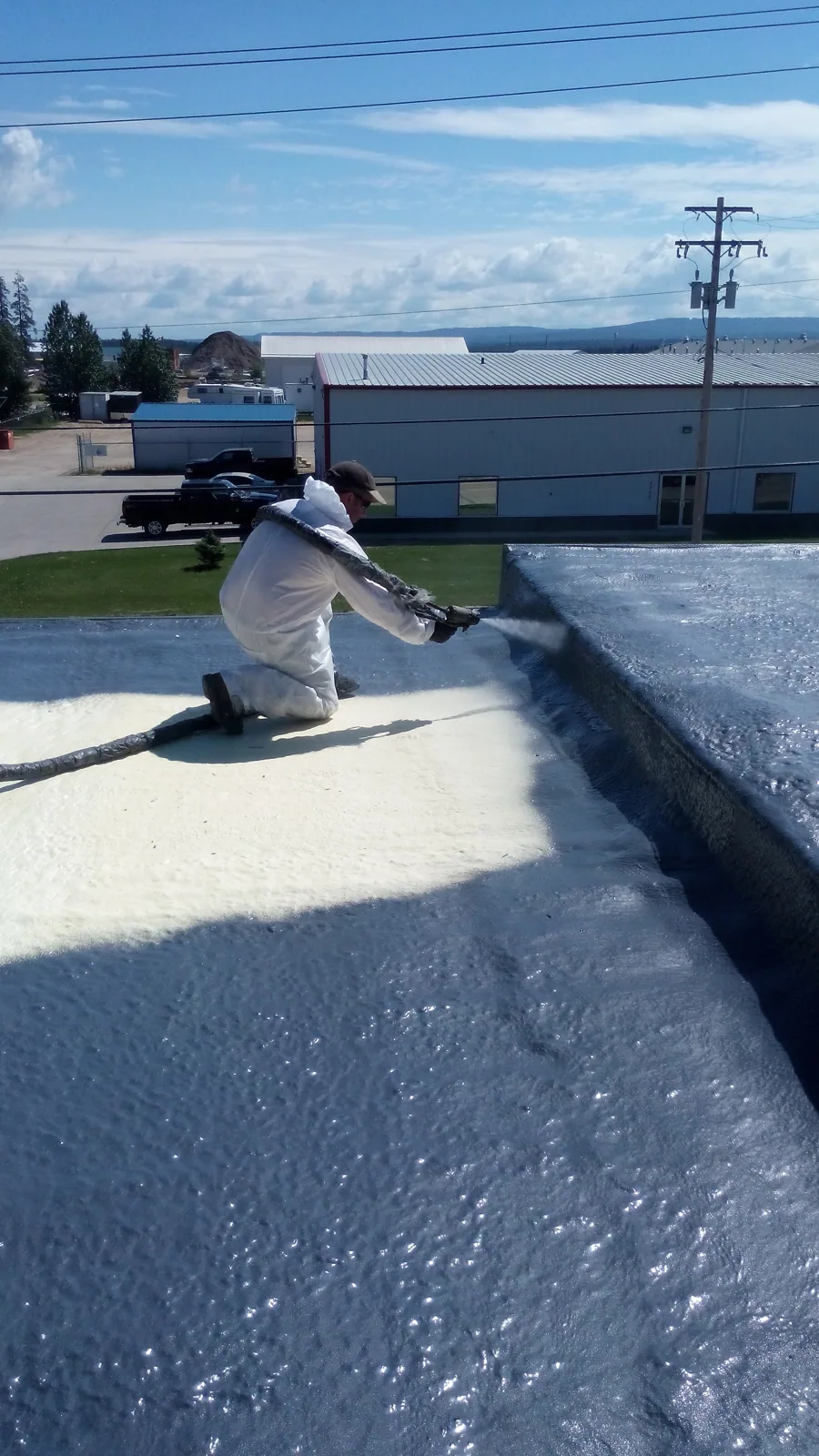
A spray polyurethane foam roof is a continuous insulation and waterproofing assembly whose performance depends on the foam profile and the protective coating above it. A worn coating, exposed foam, trapped moisture, or poor drainage can change whether a repair remains local or the roof needs broader renewal. We inspect the surface, transitions, penetrations, drains, and prior repairs, then map the areas that need cleaning, testing, or restoration. College Station's mix of research, office, manufacturing, retail, and hospitality properties makes access and operating schedules part of a practical roof plan.
We do not judge the system by color alone. The survey records coating thickness where measured, foam condition where exposed, and the evidence behind each recommendation. A commercial roof inspection gives owners a dated condition map for maintenance and capital planning.
Check the Foam Shape and Surface
Spray foam can be tapered to guide water toward an outlet, but settlement, poor application, or later damage may leave low spots. We trace the surface to drains and scuppers, note ponding and erosion, and look for cracks, gouges, or exposed cells. A small defect can admit water into the foam; repairs must close the opening and restore a compatible protective layer. We mark each repair boundary rather than describing a roof as uniformly good or poor.
Where foam is concealed by coating, we assess the overall surface and use targeted testing if moisture or adhesion remains uncertain. The test plan identifies locations and explains which decision the results could change. A moisture survey may help define suspect zones, but its results should be interpreted alongside cores, cuts, or other approved verification. We document the method used and avoid extending a moisture conclusion beyond the area actually tested. When possible, the owner receives a roof plan with test locations and a short note on the measurement method, so later surveys can compare the same areas and understand the limits of the earlier reading.
Assess the Protective Coating Layer
The coating shields foam from ultraviolet exposure, weather, and routine foot traffic. We look for thinning, chalking, alligatoring, blisters, open seams, and areas where prior patches have separated. A coating that has worn through exposes foam to degradation and can allow water entry, but surface wear does not by itself reveal how far moisture has traveled. We record the visible extent and identify where adhesion or thickness testing is appropriate before selecting a renewal system.
Preparation is part of the coating scope. Dirt, loose material, incompatible sealants, and damp substrate can interfere with adhesion. We describe cleaning, priming, reinforcement, and repair requirements separately from the final coat so the owner can see what the price includes. A silicone coating comparison or acrylic system review can evaluate the topcoat options after drainage and substrate condition are understood.
Protect Transitions and Service Paths
Foam roofs often receive repeated foot traffic to rooftop equipment. We check walk pads, curb flashings, pipe penetrations, pitch pans, and the places where a maintenance route crosses the coating. Cuts or compressed foam near equipment may need a compatible fill and reinforcement before the surface coating is restored. We identify the roof and mechanical responsibilities at each curb, then include access protection where future service could otherwise damage the new finish.
At parapets and roof edges, the coating must connect to a stable termination. We look for open transitions, poor drainage at corners, and coating that has bridged a gap without reinforcing it. Downstream wall staining or interior reports are noted separately until the likely entry location is confirmed. A curb and penetration review can coordinate roof and equipment work, while a drainage assessment can document outlets and overflow paths.
Use College Station Weather as Work Context
A 95.4°F mean high is recorded for College Station in July. For SPF work, the installer checks substrate moisture, air and surface temperatures, and the coating manufacturer's limits before opening a repair zone. The climate figure is useful for budgeting summer access and crew hours; the daily readings decide whether foam or topcoat can be applied and cured as specified.
The National Weather Service documented 1 to 2.75 inch hail in Bryan and College Station in April 2021, and a June 2023 storm brought an 85 mph gust to College Station. We use event records to prompt review of dated photographs, coating punctures, edge transitions, and repair history. They do not prove a specific roof was affected. A storm condition review records current observations after an event and separates them from historical context.
Set the Limit for Repair or Re-Coating
Localized coating wear with sound, dry foam may support a repair or renewed topcoat. Widespread moisture, poor adhesion, damaged foam, recurring leaks, or uncertain attachment may require removal or a larger replacement evaluation. We map test results, define the treatment area, and explain what concealed conditions could change the proposal. The owner can then compare an immediate repair with a staged renewal plan using the same condition evidence.
College Station's current permit editions date from January 1, 2026, when the city adopted the 2024 International Building Code and 2024 IECC. Commercial and multifamily energy designs include a COMcheck report under the 2024 IECC. The design team should confirm applicable requirements before final scope. A recover feasibility review can determine whether another assembly is suitable over the existing roof, while replacement planning can account for insulation, drains, edges, penetrations, access, and protection below.
Schedule Work Around Staff and Equipment
Coating work requires clean staging, controlled access, and a sequence that keeps prepared areas protected. We identify equipment shutdown needs, staff routes, loading windows, and areas where fumes or work noise need coordination. Each shift has a defined preparation and cure boundary, with a plan for changing weather. Before coating begins, we agree where containers can rest, how spill kits and fall protection will be staged, and which roof drains remain accessible. The site lead can pause work if wind carries material toward an intake. A occupied-property work plan can coordinate roof work with the facility contact and tenants.
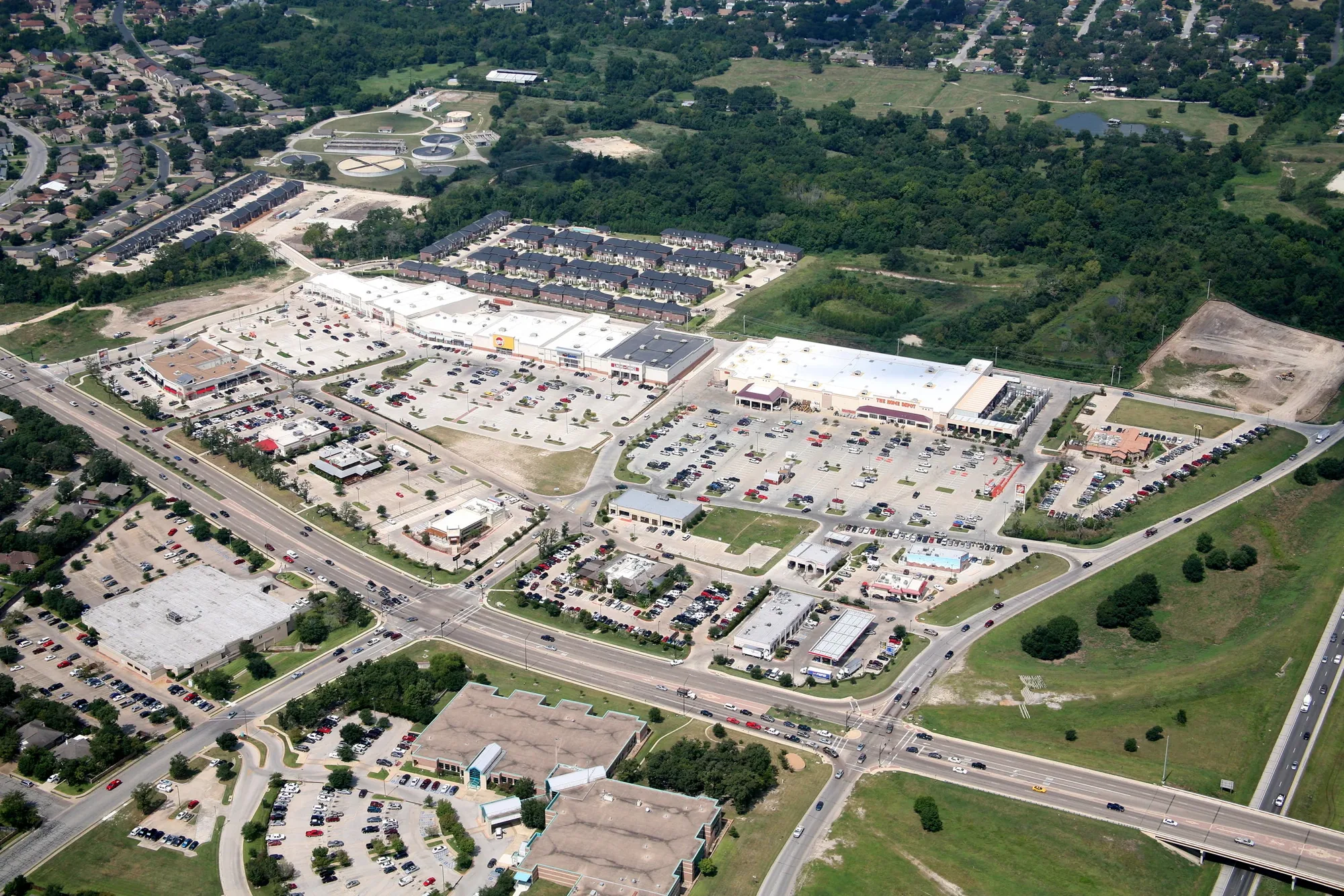
FM 2818, also known as Harvey Mitchell Parkway, extends about 20 miles between SH 6 connections and serves commercial and residential areas across the urban region. Where the property is near this corridor, its specific traffic and delivery conditions can inform staging after management confirms site rules. College Station's Midtown Business Park is planned for office, commercial, manufacturing, light industrial, and retail development on 252 developable acres. That range of uses makes it useful to plan access and roof operations around the building itself. Owners can request inspections, delivery planning, and repair visits across the College Station service area.
Commercial Roofing Questions
How do you know if spray foam is wet beneath the coating?
We map visible conditions and recommend targeted testing where the result could change the scope. Moisture readings are interpreted with their method and limits, and may need confirmation through an approved opening or core.
Can a spray foam roof be recoated?
Possibly, if the foam is sound, dry, and able to accept the specified coating after preparation. Adhesion, thickness, penetrations, and drainage should be checked first.
What happens when foam is exposed?
Exposed or damaged areas need repair and a compatible protective finish. We record their extent and check whether water or impact has affected surrounding foam before pricing a broader restoration.
Does a storm report establish roof damage?
It provides regional context. A property-specific survey, dated records, and any needed testing determine whether the coating or foam was affected.
What should the building team provide for an assessment?
Roof plans, prior coating records, leak locations, equipment access requirements, and known test results help define the inspection and avoid repeating work already documented.
Review Your Spray Foam Roof
Share coating history, roof plans, leak records, access needs, and any prior moisture tests. We can map surface and foam conditions and define repair, re-coating, or replacement options.
Related Roofing Work
Request a Roof Assessment
Tell us about the building, the roof and what you are seeing. We look at leaks, storm and wind damage, aging membranes and planned replacements on commercial properties across College Station, Bryan and Brazos County.