
Silicone Roof Coatings in College Station, TX
Silicone Roof Coatings
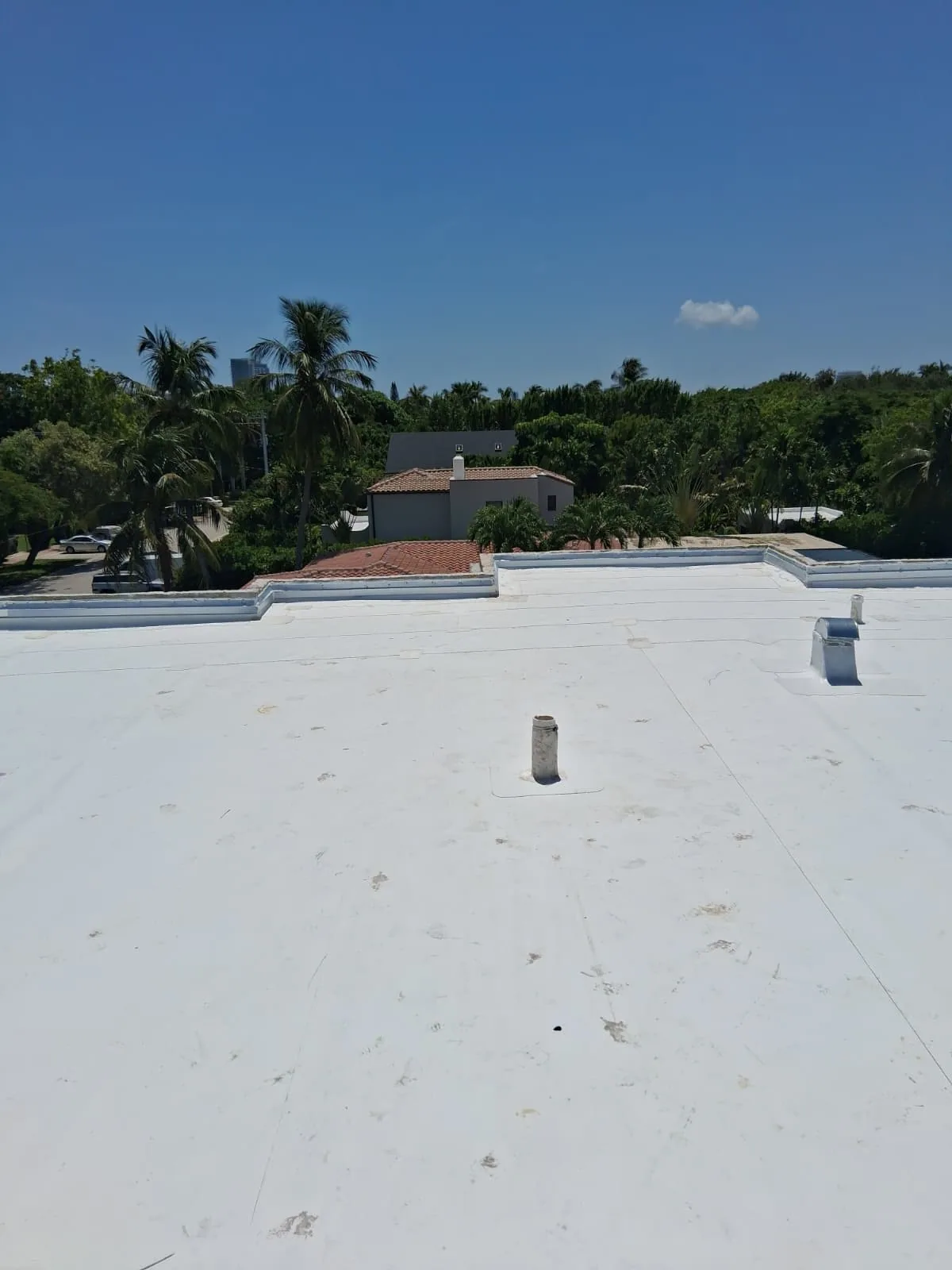
A silicone coating is a restoration layer applied over an existing roof, and its value depends on the roof beneath it. A dry, stable substrate with compatible preparation may be a candidate; trapped moisture, failed attachment, open details, or widespread damage can make coating the wrong fix. We inspect the existing assembly, map repairs and test areas, and explain the conditions that must be addressed before application. In College Station, office, research, retail, hospitality, and light-industrial properties have different access and scheduling needs that shape the work plan.
The survey connects coating condition with drainage, penetrations, and service access. We describe the evidence and limits before recommending a system. A commercial roof inspection creates a dated baseline for that decision.
Start with the Existing Roof
Coating can preserve a suitable roof, but it cannot stabilize a loose membrane or dry wet insulation. We identify the roof type, note prior repairs and surface changes, and inspect seams, blisters, splits, fasteners, and edges. If the existing system includes multiple layers or an older coating, the report calls out unknowns that affect adhesion and warranty eligibility. Targeted cuts, cores, or pull tests can answer specific questions when the result changes whether coating proceeds.
Surface preparation should match the substrate. The scope may require cleaning, removal of loose coating, rust treatment, compatible primer, seam reinforcement, or replacement of failed areas. We list preparation separately from field coverage so the owner can compare proposals on the same basis. For spray foam, the SPF roof review can identify exposed foam and repair limits before the coating system is selected.
Evaluate Water That Remains on the Roof
Silicone is often considered where ponding water is a concern, yet persistent standing water still deserves a drainage review. We trace low areas to drains and scuppers, note duration and extent when observable, and look for erosion or residue that indicates repeat wetting. A coating layer does not correct a settled deck, undersized drain, blocked outlet, or poor slope. The owner receives a map that separates water-management work from the proposed coating area.
At drain bowls, scuppers, and overflow paths, we check how the coating terminates and whether reinforcement is continuous. Debris and maintenance issues are distinguished from damaged flashing. A drainage inspection can document the outlets, while a side-by-side coating review can compare systems for roof conditions where water moves more quickly. The coating choice should fit the full surface and detail plan. Owners should also understand how often the roof needs inspection after installation, what debris or water conditions require service, and whether maintenance crews may walk across coated areas. We identify routine access paths and note where a walkway or added protection would reduce future wear. A maintenance record that logs cleaning, repairs, and any renewed coating helps the next inspection distinguish new distress from conditions that were present at installation.
Confirm Bonding and Material Compatibility
Silicone may not bond to every existing coating or membrane without cleaning and priming. We check the surface for chalk, oil, dust, loose aggregate, and previous sealant, then identify a representative test area. Adhesion results depend on preparation and cure, so the test record should identify the exact location, material, and method. Where the existing surface varies, one result should not be treated as proof that every roof section is ready.
Existing coating layers can affect both compatibility and repair decisions. We note where layers are peeling, brittle, soft, or thick enough to hold debris and water. If removal is needed, the estimate should explain how the substrate will be exposed and protected. A recover feasibility assessment may be appropriate when the existing assembly is a candidate for a different over-roof system instead of a liquid-applied finish.
Reinforce Seams, Curbs, and Edges
Liquid coating at a detail needs a sound transition and reinforcement where the system calls for it. We inspect seams, wall terminations, penetrations, equipment curbs, and metal edges for movement, gaps, loose flashing, and previous patches. Each detail is listed with its preparation and repair requirement so the coating crew is not asked to bridge a failed joint. Where equipment service crosses the roof, protected paths can reduce wear after restoration.
At parapets and perimeter metal, wind-driven rain can expose weak terminations. We record the condition at corners and changes in height and coordinate any metal work with the coating manufacturer’s detail. A curb and support review can define mechanical trade handoffs. If leaks follow a severe storm, a storm condition survey separates current damage evidence from older wear.
Choose Work Conditions for the Actual Day
The College Station July record gives a 95.4°F mean high. Before a silicone application, the crew checks the coating data sheet, surface reading, overnight moisture, and forecast for the planned area. That historical average helps the facility manager anticipate a hot-season project window; it does not replace the manufacturer's limits or the day's field measurements.
Regional events also inform inspection history. National Weather Service records show hail between 1 and 2.75 inches across Bryan and College Station in April 2021 and an 85 mph gust in College Station during a June 2023 storm. We use those records as a reason to check photographs, edge metal, punctures, and repairs, not as proof of roof damage. The field map captures present conditions and the limits of the inspection.
Price the Preparation and the Installed System
A complete proposal should identify cleaning, repair, reinforcement, primer, coating type, coverage, and the areas excluded from application. It should also state how drains, equipment, transitions, and walkway zones are handled. We compare the estimated scope with the mapped roof so a price per square foot does not hide repairs or access needs. If moisture results or adhesion tests are incomplete, the proposal states what remains provisional.
The city began applying its 2024 International Building Code and 2024 IECC on January 1, 2026. A commercial or multifamily energy design also needs the 2024 IECC COMcheck report. Project teams should confirm the applicable permit and energy review with the design professional. For a roof that cannot be restored, a replacement scope can compare removal and new assembly costs. A live-building sequence sets access, protection, and communication rules. FM 2818/Harvey Mitchell Parkway links commercial and residential uses across the area for roughly 20 miles between SH 6 ends, and Midtown Business Park is planned for office, manufacturing, light industrial, commercial, and retail uses. These local patterns make planning around each property's deliveries and operations practical. Project coordination is available throughout the College Station service area.
Commercial Roofing Questions
Will silicone solve a roof that holds water?
The coating may tolerate ponding under specified conditions, but it will not correct a blocked drain, settled deck, or inadequate slope. We map water paths and identify drainage work separately.
How do you test whether silicone will adhere?
We select representative areas, prepare them as specified, and record the material and method used. If the roof surface varies, testing should cover the areas that could affect the recommendation.
Can silicone be applied over an existing coating?
Compatibility and adhesion must be checked. Cleaning, priming, removal, or a test area may be required based on the existing material and its condition.
What roof repairs come before coating?
Open seams, failed flashings, wet insulation, loose attachment, and damaged substrate should be assessed and addressed before application. We show these items separately in the scope.
What helps compare two coating proposals?
Compare preparation, repairs, primer, coverage, reinforcement, details, walkways, exclusions, and test results. A map helps confirm both proposals address the same areas.
Review Silicone Coating Readiness
Share roof type, coating history, leak and repair records, drainage concerns, access rules, and any test results. We can map preparation needs and define whether coating is a suitable option.
Related Roofing Work
Request a Roof Assessment
Tell us about the building, the roof and what you are seeing. We look at leaks, storm and wind damage, aging membranes and planned replacements on commercial properties across College Station, Bryan and Brazos County.