
Commercial Roofing in Caldwell, TX
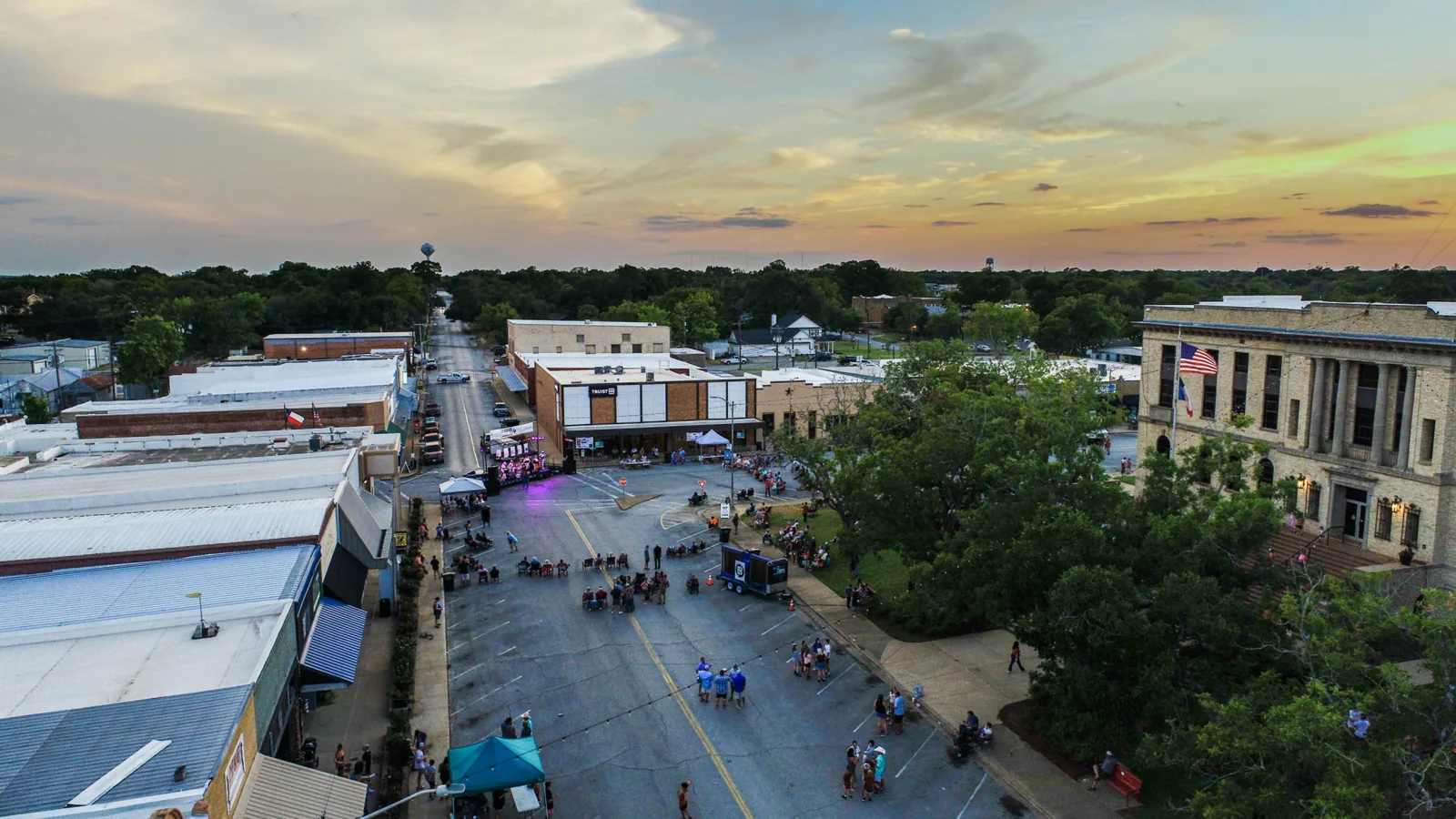
Caldwell
Caldwell roof planning begins with the building’s use and the condition of its roof assembly. Downtown commercial space, roadside businesses, and industrial property can have different access patterns and maintenance priorities. An inspection should identify the property contact, roof history, and areas that need review before any repair or replacement sequence is proposed.
The city describes its economy as benefiting from oil-sector activity and proximity to Bryan and College Station. Caldwell also reports more than 20,000 vehicles passing through daily, with State Highway 21 and State Highway 36 serving as its state highways. The highways help plan arrival and deliveries; confirm the entry point and access rules with the property manager before scheduling.
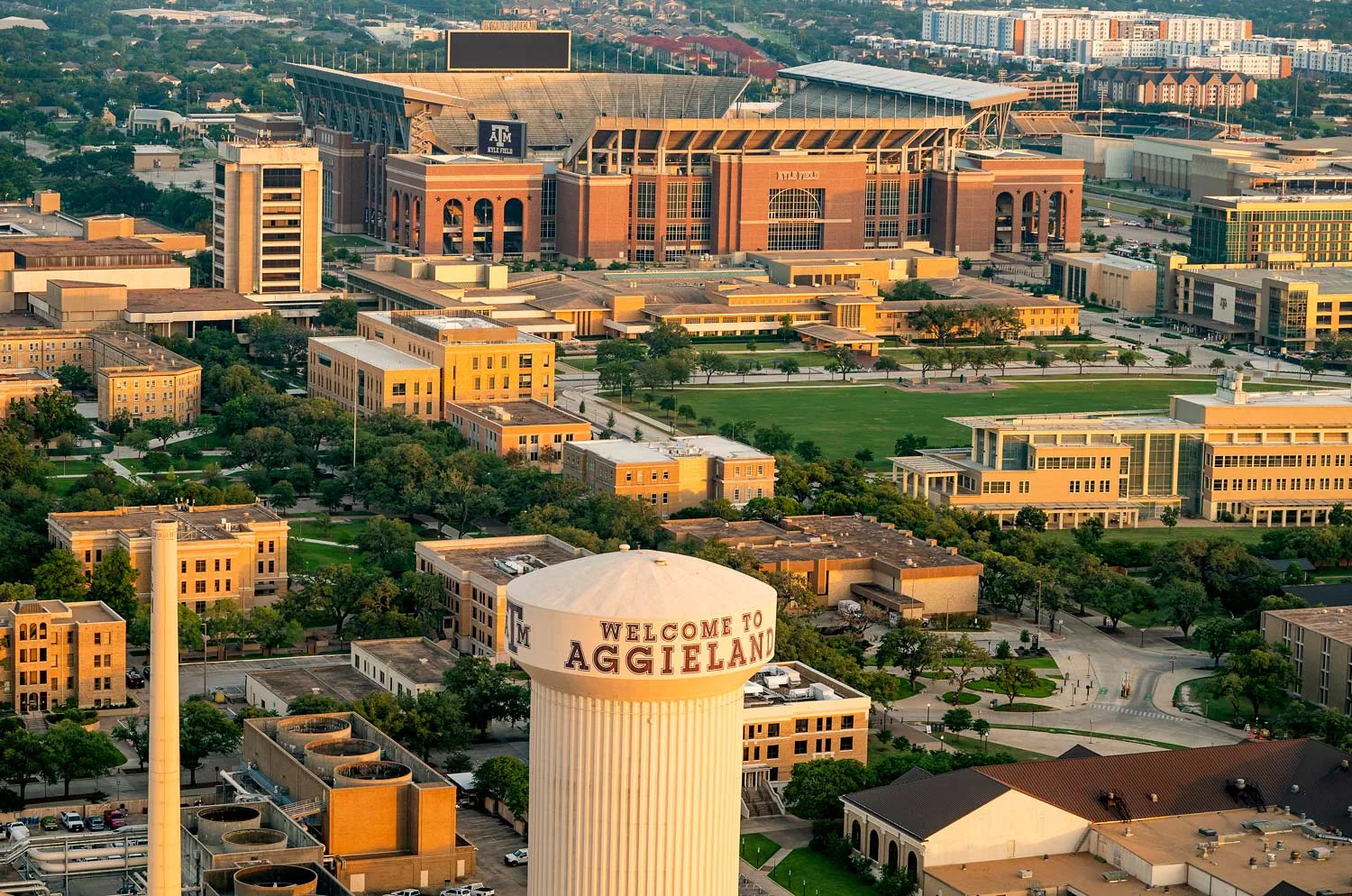
Plan around how the property functions
Start by confirming whether the building supports retail, office, storage, manufacturing, or another use. Ask when the roof can be accessed, which entrances and delivery routes need to remain open, and whether equipment serving occupied space must stay in operation. If tenants or customers use shared areas, identify how notice and protection should be handled. We confirm the building’s current use and work limits with the site contact before setting the roof route.
For highway-oriented businesses, clarify delivery and parking patterns before choosing a staging or access point. For downtown property, ask about shared circulation, operating hours, and the contact who can approve temporary restrictions. For industrial space, record active work zones and the route to roof access. These details support a practical inspection window without assuming all buildings face the same conditions.
A Bryan roof, a College Station roof, and a Hearne roof each need separate access plans, assembly records, and condition findings. Nearby properties cannot establish the condition of a Caldwell building.
Keep observations tied to the asset
Collect roof plans, warranties, repair invoices, leak reports, and photographs if they are available. A record may identify the assembly or show how earlier work changed a detail. Compare those materials with visible conditions and mark gaps clearly. If the roof age or material cannot be confirmed, leave it as unknown until the property team can provide better documentation.
During inspection, note roof zones, seams, penetrations, equipment curbs, drainage points, edge details, and changes in elevation. Use photographs with a date and location reference so another reviewer can find the same area. If a roof contains additions or different assemblies, record them separately. A single general comment about condition is less useful than notes that show where the observation was made.
A commercial roof inspection can establish current observations. A roof condition report can connect them with repair history and capital planning. The report should distinguish direct observations from owner-provided history, assumptions, and questions that require further review.
Trace leaks through the assembly
When a leak is reported, record the interior location, date, and whether it changes with rainfall or equipment operation. Water can travel from an entry point before it appears inside, so the visible stain does not prove the roof source. Inspect the area above and around the report, including seams, penetrations, walls, curbs, drains, and edge transitions. Document what is visible and what cannot yet be confirmed.
Drainage review should note whether drains or scuppers are clear, whether debris is present, and whether water remains after ordinary drainage time. Recent weather may change the appearance of the roof, so include the visit date and conditions where known. If the property team has repeated reports or interior images, compare them by date and location with roof observations.
A defined commercial roof repair can address a confirmed candidate while leaving unrelated roof areas in the condition record. If access or weather prevents a full review, state what was not observed and what follow-up is needed. This keeps the recommendation tied to the evidence rather than an assumed cause.
Use road activity as a planning detail
Highway movement can affect arrival, deliveries, and work-area coordination for commercial properties. Caldwell reports more than 20,000 vehicles passing through daily, and SH 21 and SH 36 serve as the city’s state highways. Before a visit, confirm the property’s entrance, delivery periods, and staging limits with the site contact.
The city’s Main Street program supports downtown business vitality, property development, and historic preservation. For commercial work along the downtown frontage, coordinate access with the owner or manager and identify the pedestrian route or shared entrance that needs protection for the proposed scope.
Economic conditions also shape how owners set maintenance and capital priorities. The inspection record can separate an immediate water-management need from longer-term assembly planning. When timing is constrained, document the effect of deferral and the condition that should trigger another review.
Compare repair scope with replacement timing
A repair proposal should define the roof area, visible condition, method, access needs, and limits of the work. It should identify whether the goal is to stop active water entry, restore a transition, or address a broader area. Include protection requirements for the occupied space below and note how the work will be checked after completion. This makes the option easier to compare with other property needs.
Replacement planning considers the verified assembly, condition history, drainage, transitions, equipment access, and likely effect on operations. If work can be sequenced by roof zone, the order should reflect conditions and owner priorities. A commercial roof replacement discussion can set out those factors alongside repair alternatives without assuming that one age or observation settles the decision.
Compare proposals using the same questions: what areas are included, what preparation is required, how are transitions handled, what access assumptions apply, and what records will be provided at closeout? This creates a consistent basis for repair, added investigation, or capital work and leaves unresolved questions visible to the decision-maker.
Return a record the next reviewer can use
After inspection or repair, provide dated photographs, roof zones visited, completed locations, scope changes, and conditions that remain open. Note concealed findings separately from visible surface conditions. If an observation needs monitoring, state what should be watched and why. These details preserve continuity when the property contact or vendor changes.
Assembly-specific review matters when selecting repair methods. A modified bitumen assembly review considers different details than a TPO roof review. Confirm the system before applying repair assumptions. If it is unclear, record the evidence needed to identify it and keep the scope limited until that question is resolved.
Closeout should also identify any access or staging condition that affected the visit, so a future inspection can plan around it. The record then supports both near-term maintenance and the owner’s capital cycle without losing sight of the building’s operating requirements.
Commercial Roofing Questions
What should be ready before a Caldwell roof inspection?
Provide the property contact, access instructions, available roof plans, leak history, and work-hour or delivery restrictions. Dated repair records and photographs help connect observed conditions with earlier work.
How do SH 21 and SH 36 affect visit planning?
The highways shape local arrival and traffic conditions. Confirm the property entrance, access route, and schedule with the site contact so delivery and staging can be planned.
How should an owner compare a repair with replacement?
Compare each option against the verified assembly, observed condition, repair history, drainage, and operating needs. A defined repair scope and a documented capital option make remaining questions easier to identify.
Can a roof recommendation be made if its assembly is unknown?
The inspection can document visible conditions and note that the assembly remains unverified. Plans, warranties, or further investigation may be needed before recommending an assembly-specific repair method.
What is useful in a commercial roofing closeout?
Keep work locations, dated photographs, changes in scope, concealed conditions, and follow-up recommendations with the roof record. A clear closeout lets a later reviewer connect current observations to completed work.
Review a commercial roof in Caldwell
Share the property’s access plan, available roof records, and operating schedule. We can document the visible conditions and organize repair or replacement options for review.
Related Roofing Work
Request a Roof Assessment
Tell us about the building, the roof and what you are seeing. We look at leaks, storm and wind damage, aging membranes and planned replacements on commercial properties across College Station, Bryan and Brazos County.