Auto Dealership Roofing in College Station, TX
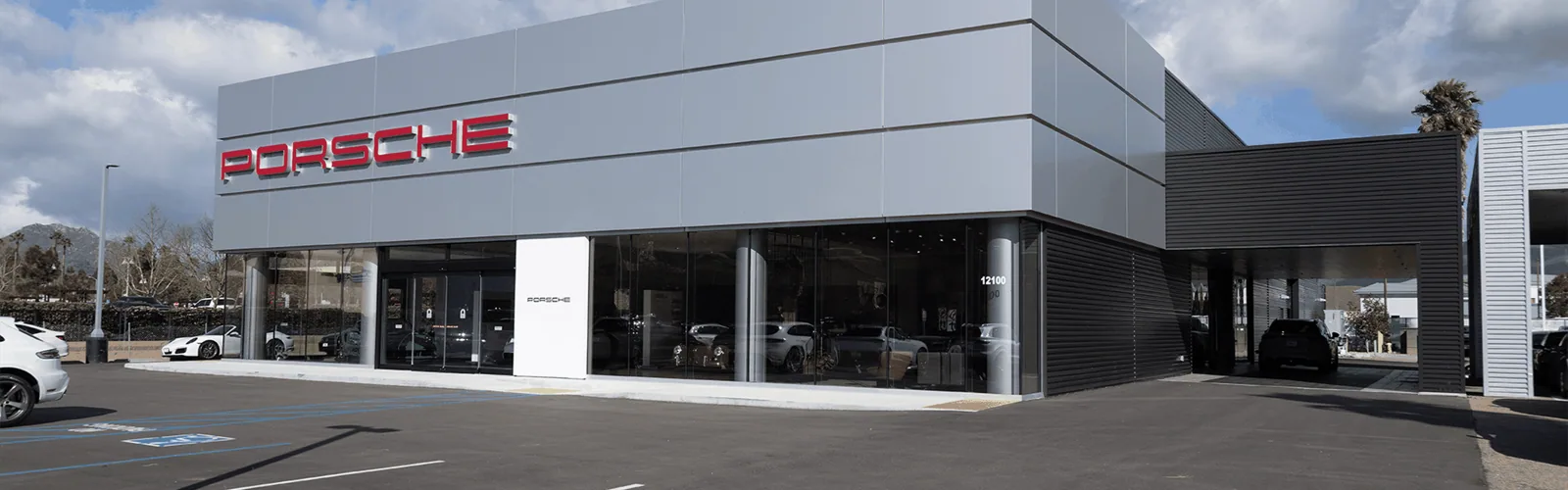
Auto Dealership Roofing
An auto dealership roof may cover a customer showroom, service bays, parts storage, offices, and staff areas under one property plan. Roof work should account for where vehicles move, when customers arrive, and which service functions need clear access. We inspect accessible roof areas and details, document reported leaks, and coordinate a scope with the facility contact. For College Station and Bryan properties, the assembly and operating schedule at each location determine the next step. The goal is a usable condition record that supports repair timing without disrupting the dealership's daily workflow more than necessary.
Plan around showroom and service activity
Before the visit, we ask which doors are used for customer entry, where service vehicles move, and when the shop or parts area is busiest. Your manager can identify roof-access procedures, lift locations, work-hour limits, and any interior areas that need protection. Those details help us plan staging and inspection routes while keeping the service lane and customer access in view.
If a leak appears in a showroom or repair bay, we record its location and date, then compare the report with roof details above and nearby. Water can travel along a deck or insulation layer, so an interior symptom should not be treated as the exact roof opening without supporting evidence. A documented condition report gives the facilities team a specific basis for follow-up.
Separate roof areas and accessory details
Showrooms, service bays, offices, and parts areas can have different roof heights, equipment, or prior additions. We note transitions between those sections and inspect accessible seams, flashing, curbs, penetrations, drains, and perimeter metal. Roof-mounted units or exhaust points may create details that need their own photographs and location references.
Some properties also have covered customer or service areas connected to the main roof. We document the surfaces that fall within the agreed inspection scope and distinguish them from separate structures or areas that require another visit. A canopy or accessory roof can have a different attachment and drainage detail, so we note where the main building scope ends. This makes it clear whether another assessment is needed before work is proposed.
If the dealership portfolio includes a commercial office building or parts distribution property, those roofs should retain separate condition histories and work plans.
Investigate drainage and reported leaks
Drains, scuppers, gutters, equipment curbs, and edge conditions influence where water may collect or enter. We record visible conditions near reported symptoms and note whether the roof has debris, damaged connections, or areas that deserve monitoring. A leak over the service department may not originate directly above the interior mark, so we check nearby transitions and water paths before defining a repair.
A focused drainage review can help determine whether an inlet, connection, or broader slope condition needs attention. We also identify locations that could not be accessed. That makes it easier for a dealership manager to decide whether further testing or access coordination should happen before the repair scope is finalized.
Use local storm conditions to guide inspection
Bryan and College Station had hailstones between 1 inch and 2.75 inches in an April 8, 2021 storm. For a dealership that reports a later hail concern, the review should distinguish roof observations from any damage to vehicles or exterior displays. We record the roof areas accessible and identify what needs additional evaluation.
College Station's normal July high averages 95.4°F, with the daily normal rising from 94°F at the beginning of the month to 97°F at month end. That seasonal heat can affect the work window chosen with the service manager, while the roof assembly and its visible condition guide the technical scope.
Match the work to the installed roof system
A local repair can fit when a defect is clearly located and nearby material remains serviceable. Broader restoration or replacement planning requires review of existing layers, attachment, drainage, moisture information, and repeated problems. We explain what the evidence supports, what remains uncertain, and how the recommendation relates to the dealership's schedule and operating areas.
A TPO assembly has different seams and flashing details from metal or built-up construction. When a larger project is under consideration, replacement planning can define zones, customer and service access, temporary protection, and closeout points. The roof's observed condition, not a general preference for a system, should guide the scope.
Keep service access visible in the work sequence
We confirm staging, delivery routes, roof access, work hours, and the person authorized to resolve field questions before mobilization. A phased sequence can identify which roof areas are active and which customer or service routes need to remain open. The manager can coordinate notices and changes through a named contact.
When service bays stay active, the facilities lead can identify vehicle paths, lift clearances, parts deliveries, and times when equipment should not be moved. We can then review where staging or temporary protection fits, and how a change in sequence will be communicated. Those details help avoid a field plan that is technically workable on the roof but difficult to manage below it.
If concealed moisture or an unexpected roof layer appears, we document the condition and review next steps before expanding work. This keeps the project tied to field observations. At closeout, we can identify completed roof zones, unresolved details, photographs, and any recommended follow-up so facilities staff have a usable record for the next maintenance window.
Before a repair starts, let service advisors and customer-facing staff know which entrance or bay may change temporarily. The manager can coordinate customer notices, vehicle drop-off adjustments, and any alternate route around staging. We record the approved setup in the work plan so the site team can compare it with the actual roof sequence.
Keep dealership records property-specific
The Bryan and College Station commercial mix spans office and retail activity, health science, hospitality, manufacturing, and rail-served industry. College Station's planned Midtown Business Park allocates 252 developable acres for corporate, office, light industrial, manufacturing, and retail uses. A dealership that displays vehicles outdoors should identify where customer parking, service bays, and roof access meet so staging can avoid those routes.
FM 2818 connects destinations across the urban area on a route of about twenty miles between the SH 6 ends. For a location in Bryan or College Station, confirm customer entrances, service-bay activity, vehicle circulation, and roof access directly with the property contact. A warehouse may be part of a larger portfolio, but its roof file should remain separate.
Commercial Roofing Questions
How should a dealership prepare for roof work?
Share roof plans, leak locations, showroom and service hours, access procedures, staging limits, and the contact who can authorize field decisions. We coordinate those details before scheduling.
Can repairs be scheduled while the service department is open?
We review operating hours, service lanes, customer access, staging, and work zones with the manager. The sequence depends on the roof condition and which routes need to remain available.
How do you evaluate a leak above a showroom?
We start with the reported spot and the time water appeared, then review the corresponding roof section and nearby drainage. Notes separate an observed opening from a suspected path. If the source cannot be isolated, we state what further access would add.
Do you inspect after hail?
We can document accessible surfaces and details after a reported storm, then compare observations with interior reports and repair history. Regional weather provides context, while building findings guide the recommendation.
What determines whether the roof needs replacement?
We consider the installed assembly, recurring defects, drainage, repair history, and available moisture information. The recommendation explains what supports continued repair and when a broader scope should be evaluated.
Coordinate a dealership roof inspection
Share roof plans, repair history, operating hours, and access requirements. We can review a College Station or Bryan property with your manager and outline the next practical step.
Related Roofing Work
Request a Roof Assessment
Tell us about the building, the roof and what you are seeing. We look at leaks, storm and wind damage, aging membranes and planned replacements on commercial properties across College Station, Bryan and Brazos County.