
Fitness Center Roofing in College Station, TX
Fitness Center Roofing
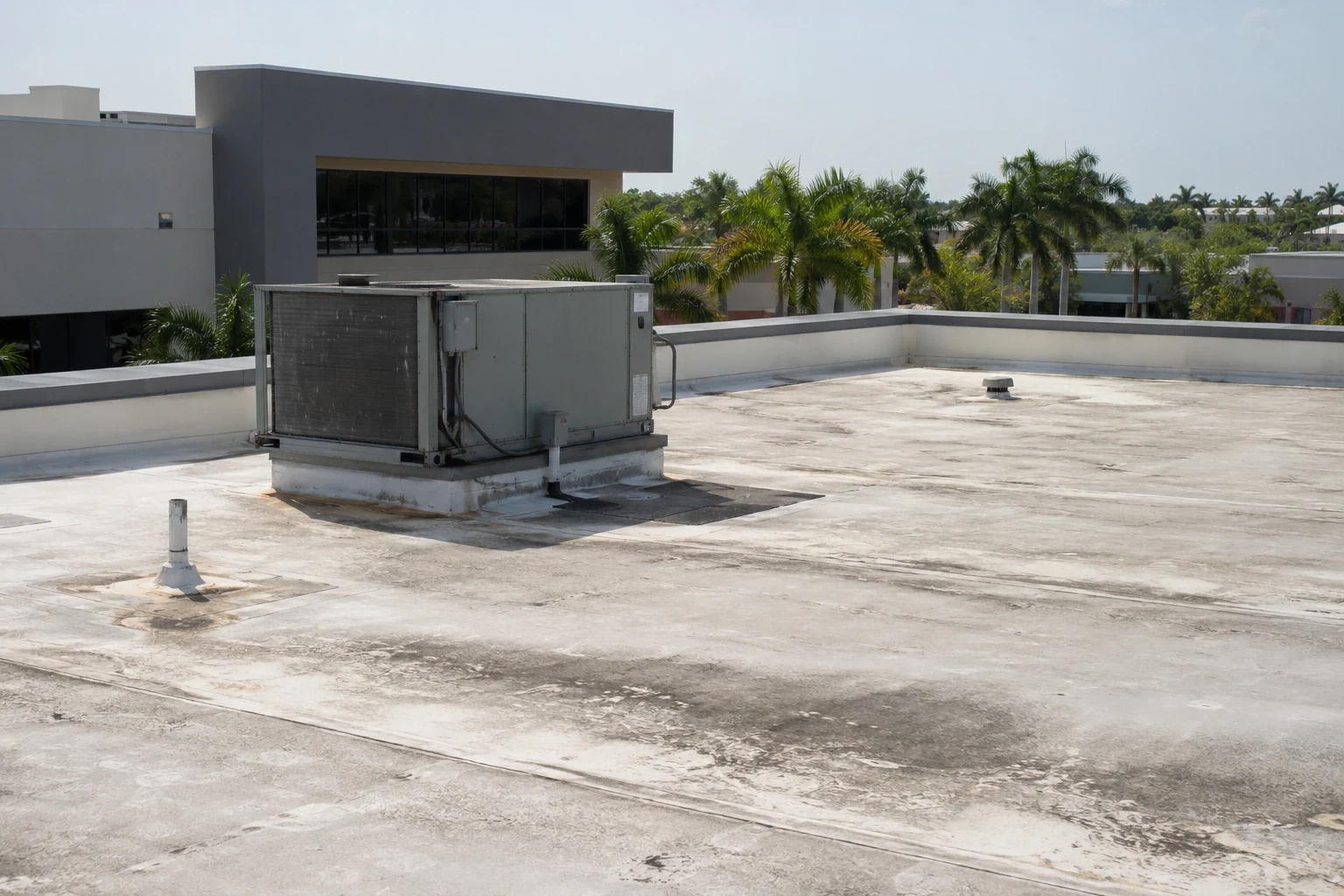
Member hours, classes, staff routines, and rooftop mechanical equipment all shape how a fitness center roof can be inspected or repaired. A leak above an exercise area may need a different work window than a condition over an office or storage room. We document accessible roof details, compare them with reported symptoms, and coordinate next steps with the facility manager. For College Station and Bryan properties, a useful plan connects roof condition to the building's actual schedule, access routes, and maintenance history rather than assuming all fitness facilities operate alike.
Coordinate the work window with member activity
Before scheduling, we ask which entrances and rooms are in use, when member activity is highest, and who can authorize roof access. The manager can identify class schedules, equipment delivery routes, restricted areas, staging limits, and any interior locations that need protection. Those details help us plan an inspection path and avoid blocking access that the building needs to remain open.
If a water report comes from a studio, locker area, or equipment room, we record its location and date, then compare it with roof geometry and nearby details. A ceiling mark may not be directly beneath the roof opening, so we document confirmed conditions separately from possible paths. The report can help the manager coordinate notices and decide whether a follow-up visit is needed.
We also ask whether roof access is shared with other trades and where ladders, lifts, or materials can be placed without interfering with daily operations. A contact should identify any hours when noise, odors, or temporary interior protection could affect staff or members. If the schedule changes, we confirm the revised window before work begins rather than relying on an old calendar.
Review each roof zone and equipment detail
Fitness buildings may combine large activity rooms with offices, storage, showers, and mechanical areas. We note roof transitions and inspect accessible seams, flashing, curbs, penetrations, drains, and edge metal. Rooftop units and exhaust points deserve location-specific notes because movement, service access, and flashing condition can differ from one detail to another.
We organize photographs by roof area so the facility contact can match a finding to the space below. If the portfolio includes a commercial office building or senior living property, each one should keep its own system notes, access rules, and maintenance history. Similar roof symptoms do not necessarily imply the same repair across different buildings.
During the review, we distinguish observations from assumptions. Notes can identify a loose edge, open seam, displaced flashing, damaged penetration, or material that needs a closer look, while photos show the location and surrounding context. The facility contact can then compare the finding with equipment service records or earlier leak reports. This detail supports a defined next step without treating every mark or stain as evidence of the same roof condition.
Check drainage where water reports recur
Drainage conditions can vary across roof sections, especially where equipment and service walks affect access. We document visible drains, scuppers, debris, nearby membrane, and any reported areas where water remains. If an interior issue recurs, we compare dates and locations with prior repair records before recommending another visit.
A focused drain and scupper review can help separate an obstructed inlet from a damaged connection or wider drainage concern. We identify locations that cannot be accessed and explain what additional review would help. This gives the manager a specific follow-up instead of a general note to watch the roof.
Use local conditions as context for inspection
For College Station, July's climate-normal mean high is 95.4°F; the daily normal begins at 94°F and reaches 97°F at month end. A manager may use that seasonal pattern when choosing a work window that limits disruption to classes and member visits. It does not replace review of the installed roof and observed details.
Hail in the Bryan and College Station area reached sizes from 1 inch to 2.75 inches in the April 8, 2021 storm record. When a facility reports impact concern, we document the roof area and visible signs, then separate confirmed findings from questions requiring a closer look.
Select repair or replacement from documented conditions
For a fitness property, the decision starts with the affected room and whether the membrane, flashing, or curb detail can be isolated without disturbing sound surrounding material. We compare the report timeline with prior repair notes and visible conditions in the same roof zone. If recurring water traces intersect multiple details, a limited patch may leave part of the pathway unresolved. The condition record separates what can be seen from what would require more access or testing. A TPO assembly may require seam and termination work compatible with its installed membrane. When several zones are under review, replacement planning can put equipment clearances, member routes, temporary protection, and closeout milestones into a scope the manager can evaluate.
Keep the building usable through a phased sequence
Before mobilization, we confirm staging, roof access, work hours, equipment routes, protected spaces, and the person who can resolve field questions. A phased plan identifies the area being worked, the route that stays open, and the point when a zone is ready for closeout. The manager can coordinate member notices or temporary access changes through a named contact.
If work reveals concealed moisture or an unexpected assembly, we document the condition and review the next step before expanding the scope. Closeout notes identify completed areas, remaining details, photographs, and any follow-up. That record helps the facility manager plan future inspections without reconstructing what happened during the previous work window.
For a repair proposal, the manager should be able to see the work area, access method, expected disruption, and any conditions that would pause the sequence. We review those items with the contact before mobilization and document changes discovered in the field. Once each phase is complete, a brief walkthrough can confirm that access routes are clear, temporary protection is removed, and any open follow-up item has an owner.
Coordinate access across Bryan and College Station
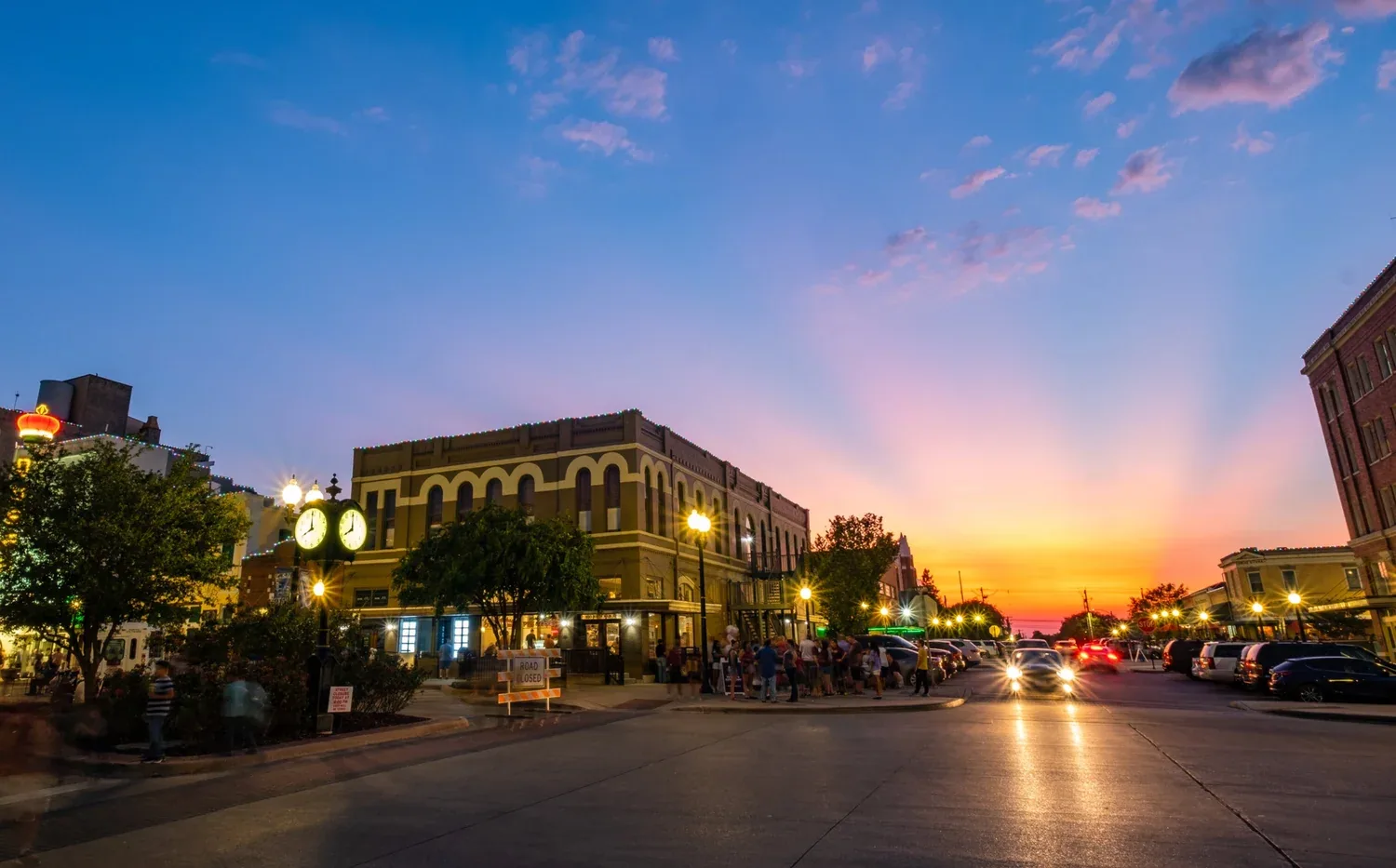
Bryan and College Station include health science, research, hospitality, retail, manufacturing, and industrial activity. The Midtown Business Park plan includes corporate, office, light industrial, manufacturing, and retail uses, while FM 2818 connects destinations across the urban area. For a fitness property in College Station or Bryan, share the current member schedule, roof-access route, and equipment-service windows so we can coordinate a visit around the facility’s operations.
Commercial Roofing Questions
What should a fitness center share before a roof visit?
Share roof plans, reported leak locations and dates, member hours, equipment routes, staging limits, and the contact who can authorize access. We confirm the work window with the facility manager before scheduling.
Can roof repairs be planned while members are using the facility?
Yes. We select a work period for each roof area, map member entrances and required egress, then agree on notices and temporary route changes with the manager. Any room or access point that cannot remain available is identified before the crew arrives.
How do you assess a leak above an exercise area?
The reported room and time help us choose where to inspect above. We compare roof details with drainage and maintenance history, then describe what is directly visible. If access does not reveal a source, we identify a specific follow-up.
Do you inspect rooftop equipment curbs and penetrations?
We review accessible flashing, seams, curbs, supports, and surrounding roof material. Any area that cannot be reached is noted along with the next access step.
How do you decide between repair and replacement?
We compare the affected area with seam and flashing condition, prior repair notes, and moisture findings where available. A defined local defect may support a limited repair; evidence across several roof zones can justify evaluating a broader project. The written recommendation explains the observations behind either option.
Coordinate a fitness center roof review
Share roof plans, repair history, facility hours, equipment locations, and access procedures. We can coordinate a College Station or Bryan review with your manager and document a practical next step.
Related Roofing Work
Request a Roof Assessment
Tell us about the building, the roof and what you are seeing. We look at leaks, storm and wind damage, aging membranes and planned replacements on commercial properties across College Station, Bryan and Brazos County.