Government Building Roofing in College Station, TX
Government Building Roofing
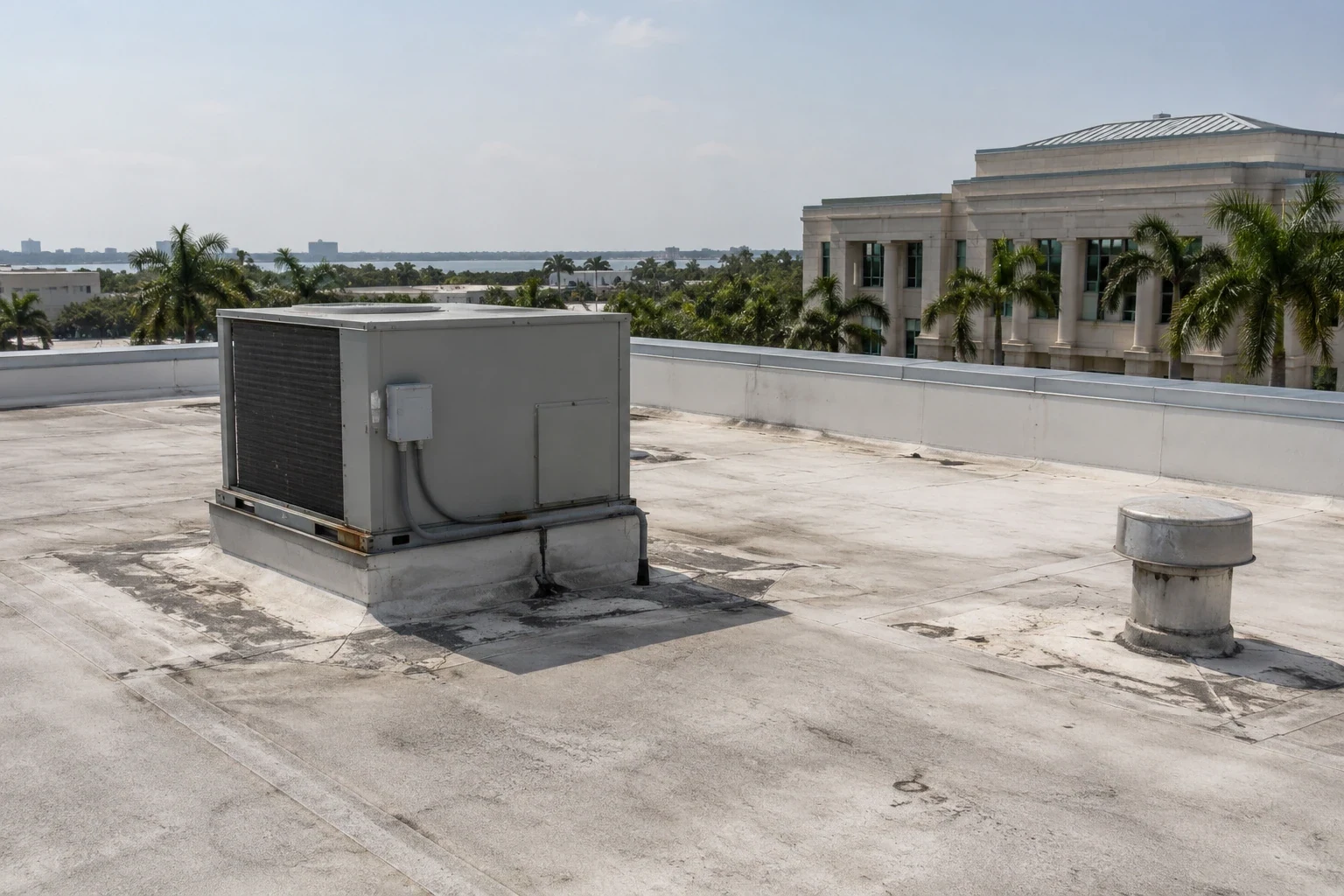
Public building roof work requires a clear record of access, scope, and responsibility. A facilities team may need to coordinate staff, visitors, public services, procurement steps, and maintenance schedules before a crew can reach the roof. We review accessible conditions, document repair history and reported leaks, and organize the next action around your building procedures. In College Station and Bryan, education, government, and healthcare are significant parts of the regional employment base. Each public property still needs its own roof assessment and work sequence.
Confirm authorization and service access
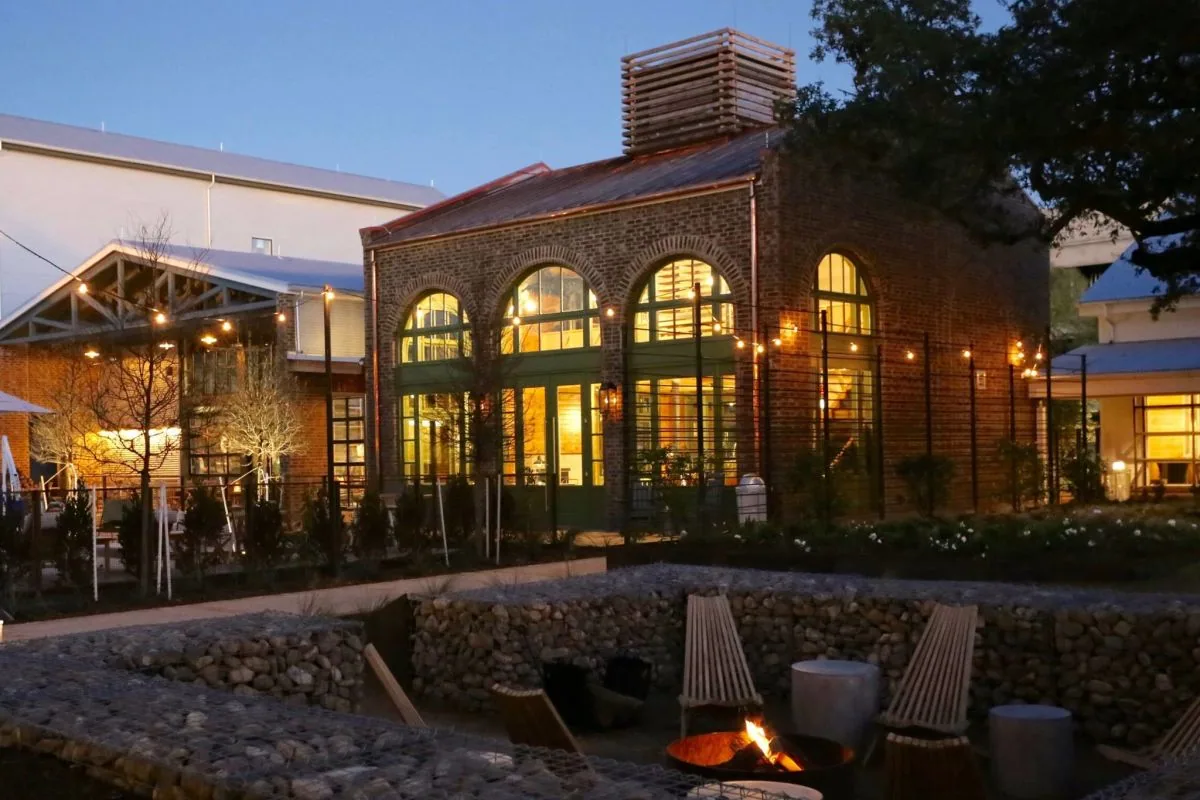
Before an inspection, we confirm who can authorize entry, where crews may stage, which doors or service routes must remain available, and how field questions are routed. Your facility contact can identify occupied offices, public-facing areas, security requirements, and any limits on work hours. If a scope requires additional review before mobilization, we can document the proposed work areas and requested access for the appropriate decision-maker.
For properties with several buildings, access rules and roof records should remain tied to the correct location. We label observations by roof zone and note what could not be reached. A roof asset record can preserve photographs, repair notes, and follow-up items without mixing separate building histories.
Coordinate work around public services
A roof repair may occur above staff offices, meeting areas, service counters, or maintenance rooms. We ask which functions need uninterrupted access and who should receive notice before staging or noisy work begins. Those details help define a sequence that protects routes and keeps field communication with the person who can resolve an access issue.
Schedules can shift when public services change hours or a room is needed for another function. We confirm the active work area with the facility contact and identify any temporary protection or access change before crews move to another zone. If a public-facing entrance or maintenance route must stay clear, the staging plan should say so directly, with a named contact for field questions.
When a leak is reported, we record the room and date, then compare the report with accessible roof details. Water can travel before it appears indoors, so the roof-side source should be confirmed rather than assumed. If the facility has regular public hours, an inspection window can be coordinated around them while retaining access to the roof areas that need review.
Document the assembly before choosing a scope
We examine accessible seams, flashing, penetrations, curbs, drains, edges, and transitions between roof sections. Older additions or previous overlays can leave several assemblies on one property, so we note those differences rather than treating the whole surface as uniform. Photographs and location references help the facility team distinguish an active repair from an item that should be monitored.
If the property has several roof areas, we keep their condition and repair history separate. One section may have a defined flashing repair while another needs additional moisture review or drainage observation. That distinction helps a facilities lead discuss work by zone and prevents a small finding from being used to justify an unrelated scope elsewhere on the building.
A commercial roof inspection can establish a baseline and identify what needs further testing. A local repair may be appropriate when a defect is defined and the surrounding material remains serviceable. Recover or replacement planning calls for a wider review of attachment, existing layers, moisture information, drainage, and recurring conditions. We explain the reason for the recommendation and what information remains open.
Use local weather history to guide review priorities
Bryan's FY2024 financial report lists education, government, and healthcare among six of the region's ten largest employers. Public facilities therefore operate alongside major institutional services, where a clear roof record can help facilities staff coordinate access and continuity. Keep findings tied to the building's own maintenance file.
A College Station severe thunderstorm on June 3, 2023 brought a measured 85 mph gust. After a reported event, review accessible perimeters and metal details, then compare observations with the site's maintenance history. Record the areas reviewed and any follow-up that needs closer evaluation.
Build the sequence around approval and budget timing
Public owners may need a clear scope and cost boundary before scheduling work. We identify the roof zones, visible conditions, access assumptions, temporary protection, and decision points so the facility team can review what is included. If the inspection reveals concealed moisture or a different roof layer, we document the condition and discuss the next authorization step before widening the work.
A phased project can help separate urgent repairs from longer-term roof capital planning. Each area can have a defined sequence, closeout point, and list of remaining items. The facilities contact can then coordinate procurement review, public service schedules, and building access with a record of what has been completed and what remains open. We keep the recommendation tied to field evidence instead of presuming that budget timing dictates a roof system.
For a public owner, the scope file should make decision points easy to review. It can separate urgent water control from planned renewal, identify assumptions about access and protection, and list any information still needed for a bid or budget decision. If the field review changes the apparent scope, document the new condition and obtain the owner's direction before adding work.
Coordinate service across Bryan and College Station
College Station and Bryan include research, health science, retail, hospitality, manufacturing, and rail-served industrial activity. FM 2818 reaches SH 6 at each end of its approximately 20-mile run and connects destinations across the area. When planning service, share the building address, access procedure, and operating hours so we can coordinate the visit with your facilities team.
If your portfolio includes a government office building and a healthcare property, retain separate access procedures and roof records. We can coordinate a review in College Station and return findings for the correct building file.
Leave a traceable maintenance handoff
Closeout can list the areas reviewed, photographs, work completed, open conditions, and limits on access or testing. That record helps staff route follow-up, compare later inspections, and retain decisions with the building history. If a future report identifies another leak, the location and timing can be compared with the documented roof zones.
Share roof plans, repair notes, access requirements, and preferred approval contacts before scheduling. We can review the property's procedures with your facility lead and outline an inspection or repair step that fits the building and its public service calendar. The summary can also identify what information or authorization is needed before a larger scope is prepared.
Commercial Roofing Questions
What should a public facility share before roof work?
Provide available roof plans, leak reports, access and staging procedures, work-hour limits, and the person authorized to make field decisions. We confirm those details with your facilities contact before scheduling.
Can roof inspections be scheduled around public hours?
We coordinate the access window, work areas, staging, and communication with the facility team. The plan reflects the building's operating schedule and the roof areas requiring review.
How do you prepare findings for a public owner?
We identify the locations reviewed, photographs, observed conditions, access assumptions, and recommended next steps. The scope states what is included and what remains uncertain or requires additional authorization.
When does a public building need replacement planning?
We assess recurring defects, the installed assembly, drainage, repair history, and available moisture information. The recommendation explains when repair remains reasonable and when a wider capital scope should be evaluated.
What is included in a roof closeout?
Closeout can identify inspected areas, completed work, open items, photos, and access limits. Those notes help the facilities team retain an auditable history for follow-up and future maintenance planning.
Plan a public building roof review
Share roof plans, repair history, access procedures, and approval contacts. We can coordinate a College Station or Bryan inspection with your facilities team and document the recommended next action.
Related Roofing Work
Request a Roof Assessment
Tell us about the building, the roof and what you are seeing. We look at leaks, storm and wind damage, aging membranes and planned replacements on commercial properties across College Station, Bryan and Brazos County.