
Grocery Store Roofing in College Station, TX
Grocery Store Roofing
A grocery-store roof supports a continuously used building with refrigeration equipment, rooftop units, receiving areas, and public-facing sales space. A water report near a cooler, prep area, or dock deserves careful documentation, but the interior location alone does not identify the roof entry point. We start with the reported time and location, the roof assembly, prior repair history, and the manager’s access requirements. The field review then records visible details and any limits on inspection. College Station and Bryan stores serve customers across the region. Record the property’s reported conditions, repair history, and equipment layout separately so each service visit starts with the right building context.
Map equipment and work windows
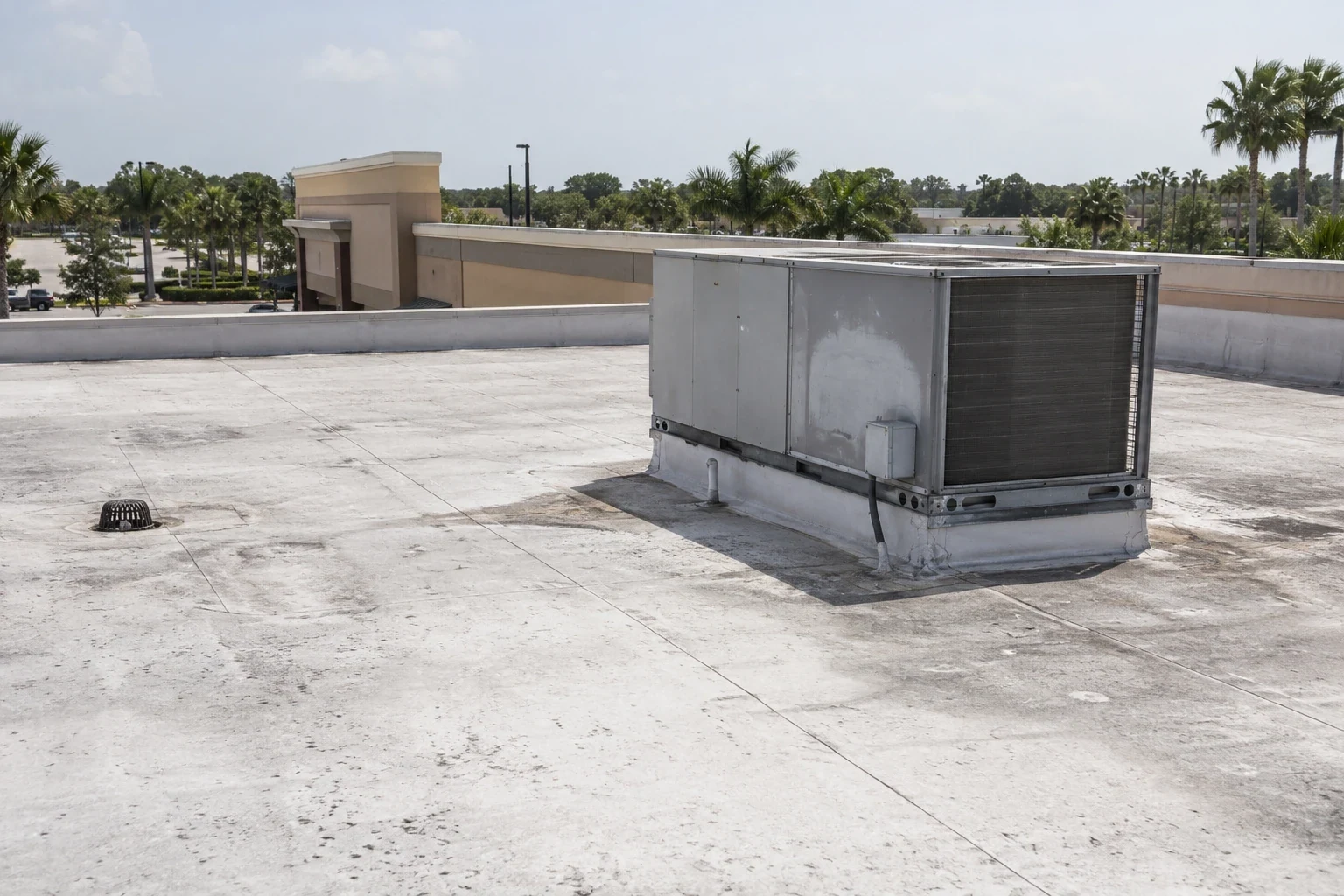
Before inspection, identify refrigeration condensers, electrical equipment, exhausts, curbs, roof hatches, and restricted areas. The manager can clarify delivery windows, food-handling protocols, access procedures, and who should receive updates. We confirm staging and safe roof access with the designated contact, then keep observations tied to a roof zone. This avoids treating every service report as a separate repair diagnosis. If a report involves a temperature-controlled room, note the interior conditions and timing without presuming a membrane failure. The sequence of work should be coordinated with store operations, while any technical recommendation remains based on accessible roof conditions. The store team can confirm food-service controls, while the roofing scope identifies access, staging, and temporary protection for the work area. Before mobilization, confirm whether a service lane, loading dock, or refrigeration area needs a clear route throughout the visit. Identify the person who can approve a temporary restriction and how staff should report any change in conditions.
Trace moisture reports methodically
Water can move along a deck, insulation interface, or other concealed path before appearing inside a store. We compare the reported area with seams, penetrations, curbs, wall transitions, drains, and previous patches that are accessible during the review. A commercial roof inspection records what was observed and identifies whether testing or additional access is needed. The store team can help by sharing leak dates, photos, temporary measures, and whether the report recurs during rain or equipment cycles. These details focus the visit, but they do not replace an assessment of the roof assembly and surrounding building conditions. A simple equipment schedule can help connect condensers and curbs to the roof plan, especially when several vendors maintain different systems on the same building. If a vendor has changed or relocated equipment, record the work date and any updated curb or flashing detail. That history helps distinguish an older roof condition from an issue associated with a recent service visit.
Give drainage its own attention
Grocery buildings may have large roof fields and multiple drainage points. The inspection should identify accessible drains, scuppers, overflows, low areas, and signs of debris or restricted flow, while avoiding conclusions about concealed piping without evidence. For a store roof with standing water or slow discharge, a drainage assessment can map visible flow paths and identify accessible points needing maintenance follow-up. Routine roof access should be limited to trained personnel following site rules. The report can distinguish maintenance observations from repair items and record locations that need follow-up, helping store and portfolio teams set a safe, repeatable maintenance process. For each visit, record which drains or scuppers were accessible, what was cleared, and when the next maintenance check is due.
For a multi-store owner, use the same drain labels on roof plans and service reports where possible. Consistent labels make it easier for managers to assign cleaning, compare recurring water reports, and confirm which locations were reached during a visit. Keep access limits with the observation so a follow-up can be scheduled for the right area.
Put regional exposure in context
July's normal mean high is 95.4°F in College Station; the monthly profile starts with a 94°F average high and reaches a 97°F average high near the end. The seasonal heat can help managers choose inspection windows and plan rooftop equipment service. When staff report hail or wind, record the event date, affected roof zones, and any temporary measures. Compare the current equipment layout with earlier roof records if a renovation added refrigeration or changed a sales area.
Choose a scope that fits food retail
Grocery roofs may include single-ply membrane, modified bitumen, metal canopies, or assemblies added during store renovations. We record seam layout, membrane transitions, curb flashing, past patches, and roof-zone boundaries, then decide which service alternatives are worth pricing. Equipment curbs and repeated penetrations deserve a close look because each interface has its own flashing details. A roof recover overlay can be considered only after checking existing layers, attachment, drainage, and substrate condition. The related cold-storage profile addresses temperature-controlled operations, while a shopping-center review covers shared retail settings. If a renovation changed refrigeration or exhaust equipment, compare the current curb and penetration layout with the roof plan before selecting a repair detail.
Coordinate service across Bryan and College Station
College Station serves as a Brazos Valley retail and service hub, drawing customers from beyond city limits. Bryan's commercial inventory includes existing retail space, developable land, and manufacturing property. Across College Station, business sites also serve technology, research, office, and light industrial users alongside retail and hospitality.
The urban area connects through SH 6 and the approximately 20-mile FM 2818/Harvey Mitchell Parkway corridor. For a store in College Station, share its receiving entrance, equipment access rules, and delivery schedule before the visit. Owners with multiple locations can use the same inspection format while keeping each store's equipment map and repair history with its own property file.
Keep the next service call focused
At closeout, record the inspected zone, visible roof materials, photos, reported interior location, work completed, and unresolved questions. Identify repairs that were made and observations that should be monitored, then link them to a maintenance date or a person responsible for follow-up. If equipment or receiving operations limited access, state that clearly. A grocery portfolio benefits from separate records for each site so a problem at one store is not generalized to another. The retail operations page outlines multi-location coordination, and we can arrange a review within the College Station after scope and access are confirmed. Label closeout photographs with the store number or property identifier used by your facilities team so staff can find them during the next service call.
Commercial Roofing Questions
What should store staff report before an inspection?
Share leak dates and interior locations, roof plans, prior repairs, equipment locations, access rules, delivery windows, and temporary measures. A clear chronology helps the inspector distinguish a new report from a recurring one.
Does water near a cooler mean the roof is leaking?
Not by itself. We compare the reported location and timing with accessible roof details and equipment conditions before identifying a cause. The equipment identifier can help focus a return visit on the right roof zone.
Can roof work be planned around deliveries?
Yes. We coordinate staging and the work window with the store contact, taking delivery and safe access requirements into account. The sequence should identify any receiving route that must remain open.
Should drains be included in a roof review?
When drainage is part of the concern, we document accessible drains, overflows, low areas, and debris. We note which areas need follow-up and confirm who should receive the written observations.
Is recover work always less disruptive than replacement?
The existing assembly, substrate, drainage, code requirements, access, and project details determine which options fit. We compare those conditions and explain the expected staging and operational impacts for each scope.
Coordinate a grocery-property roof review
Share the roof plan, refrigeration and rooftop-equipment locations, leak history, delivery schedule, and access rules. We can plan a field review and document the next step with your facilities contact.
Related Roofing Work
Request a Roof Assessment
Tell us about the building, the roof and what you are seeing. We look at leaks, storm and wind damage, aging membranes and planned replacements on commercial properties across College Station, Bryan and Brazos County.