Commercial Roofing in Navasota Central Business District, Navasota, TX
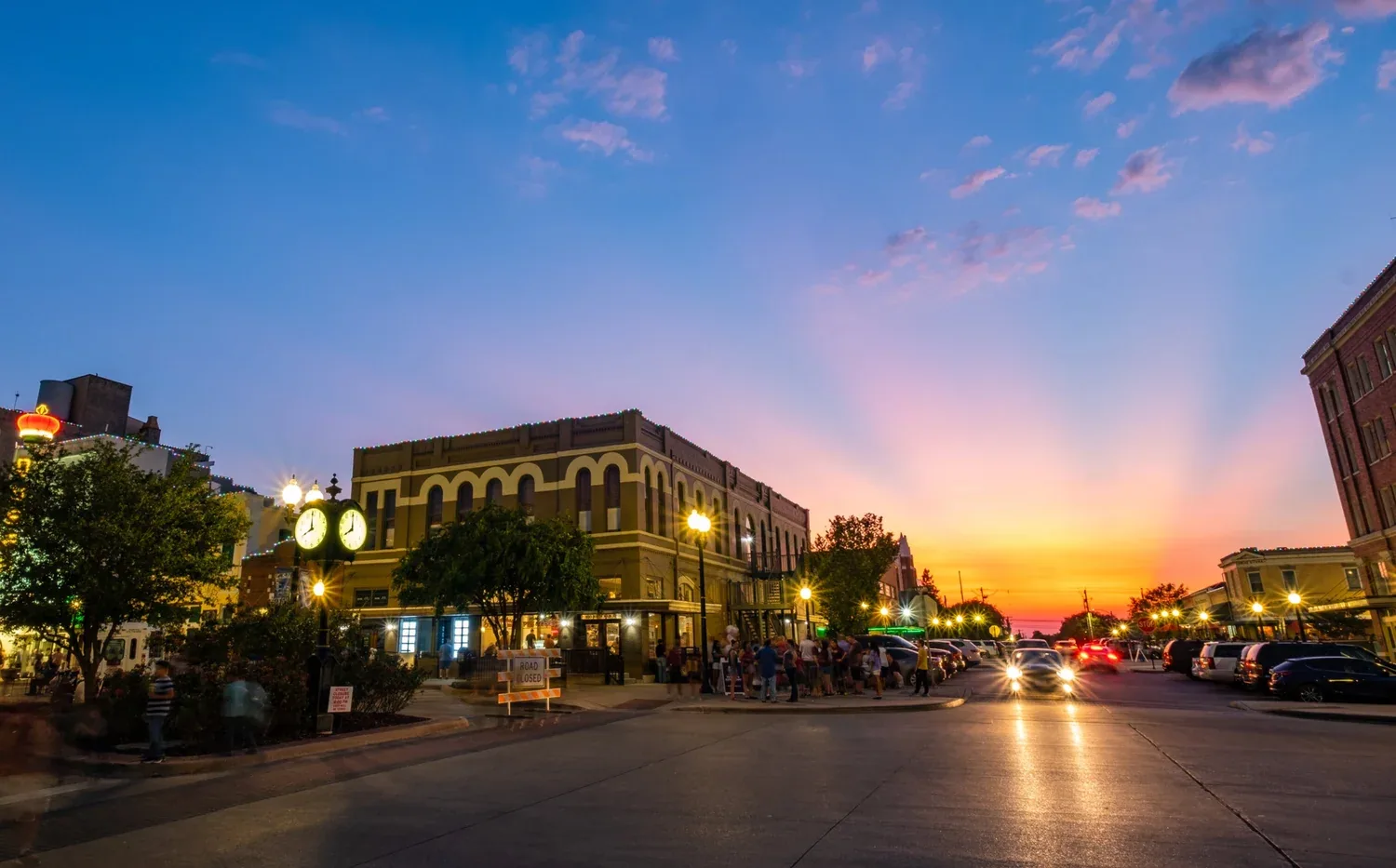
Navasota Central Business District, Navasota
Property managers in Navasota Central Business District need a roof record that fits the use of each commercial building. The city formally recognizes a Central Business District, with separate B-1 and B-2 general-business districts elsewhere. Before an inspection, confirm the property’s current use, roof access, operating schedule, and available records with the site contact.
Navasota’s commercial-development guide includes site-plan, building-permit, and commercial-design processes. When roof replacement or related envelope work is considered, confirm which current requirements apply to the specific project and when review or inspection steps must occur. A schedule that includes those checks helps the property team compare repair timing with a larger capital sequence.
Distinguish a district from a property
A commercial district can include properties with different owners, uses, roof histories, and access conditions. Ask the building contact which spaces are occupied, when deliveries occur, whether rooftop equipment must remain in operation, and which routes or entrances should be protected during a visit.
The Central Business District exists alongside B-1 and B-2 business districts. Confirm the roof assembly and visible conditions at the property before setting the scope and schedule. If the project changes the roof, structure, equipment, or exterior appearance, the owner should coordinate with the city and design professionals about applicable plan review, permits, and inspections.
For nearby property context, the Navasota service area covers the town more broadly. The Bryan service area and College Station service area are separate market references. Keep building findings within the correct asset file when comparing work across a portfolio.
Document the assembly before comparing scopes
Gather roof plans, prior inspection reports, warranty documents, repair invoices, and leak notes if available. Check whether records identify the installed system, past additions, or recurring conditions. If the system or installation date is unclear, mark it as unverified rather than using an assumption to price the work. A reliable condition history helps the owner understand what has changed and what remains open.
On the roof, record field areas, seams, penetrations, curbs, drains, wall transitions, and edge details. Use dated images with a roof-zone reference so a manager can locate each observation later. When an addition or repair creates a different assembly, document the boundary separately. That prevents one detail from being treated as representative of the entire roof.
A commercial roof inspection can establish observations and access limits. A roof condition report can connect photographs with the asset record, repair candidates, and questions for follow-up. The report should keep observed conditions distinct from history supplied by the owner.
Link interior reports to roof details
For a leak, record where it appeared, when it was noticed, and whether it changes with rainfall or equipment use. The interior mark may sit away from the entry point. Review the roof area above and nearby transitions, penetrations, seams, drains, curbs, and perimeter details. Tie each observation to a recognizable zone so the property contact can compare it with prior reports.
Drainage review can note blocked outlets, debris, scupper condition, and water that remains after normal drainage time. Include recent weather context when known. If staff have dated photos or repeated work orders, align those records with roof observations before grouping them into one repair scope. This helps determine whether a repair candidate is limited or needs further assessment.
When a specific condition is confirmed, a commercial roof repair can be defined by location, method, access, and protection below. If part of the roof could not be reached safely, record that boundary and the next step needed for assessment. A clear limit is more useful than implying a complete review where access was not available.
Include city review in project timing
Navasota’s development guide describes formal review steps for commercial property, including permits and design processes. For a proposed roof replacement or exterior change, confirm requirements with the city for the actual scope. Requirements can depend on the work involved, so the property record should note who confirmed them and which approvals or inspections remain before mobilization.
Plan access, material delivery, staging, and any inspection hold points with the building contact. If the property stays open during work, identify tenant or customer routes that need protection and periods when equipment or entrances cannot be restricted. The owner can then compare the proposed sequence with operating needs instead of treating schedule as a contractor-only decision.
For conditions that involve several roof areas, label each location and note whether it shares the same assembly. Separate records can help the property team coordinate design review, permit planning, and roofing scope while keeping one decision from being confused with another.
Compare work against the asset record
A repair proposal should identify the condition, location, method, access need, and limits of the work. State whether the scope manages active water entry, restores a transition, or addresses a wider surface. Include protection below and how the completed area will be checked. This gives the owner a defined repair candidate to compare with the roof’s condition history.
Replacement planning draws on verified assembly, prior work, drainage performance, edge attachment, equipment access, and the effect of construction on occupants. A commercial roof replacement discussion can compare sequence, preparation, transitions, and closeout records with a repair alternative. The recommendation should explain which observations support the proposed scope and which questions need more information.
Material and detail choices depend on the assembly. A modified bitumen assembly has different seams and flashings from a TPO roof system. Confirm the existing material and substrate before comparing repair methods. This keeps the scope tied to the roof that is actually present.
Keep approvals and closeout together
At closeout, add dated photographs, completed locations, concealed conditions, and scope changes to the property record. Identify any open observation and the condition that should prompt another inspection. If permit or design review steps applied, retain the related project documents with the roofing closeout so the owner can trace how the work was coordinated.
For later maintenance, keep the roof-zone map, repair history, and access notes current. A manager who inherits the property should be able to tell which work was completed and what remains a candidate. That continuity supports a future replacement sequence and reduces repeated investigation.
Share roof records, occupied hours, equipment access, and capital timing when requesting a field review. We can document the conditions and organize options around the property’s operating calendar.
Commercial Roofing Questions
Does the Central Business District determine roof requirements?
No. The district is a zoning context. Confirm current permits, plan review, and design requirements for the exact scope with the city and the project’s design professionals.
What should a manager provide before an inspection?
Provide the roof access plan, operating hours, available plans, repair history, and leak reports. Identify shared areas or equipment that must remain available during the inspection window.
How can a property team compare two roofing proposals?
Compare included roof zones, preparation, transitions, access, occupant protection, and closeout documentation. Ask each bidder which observed conditions support the scope and what remains unverified.
Can a roof inspection help with permit planning?
It can document the existing roof assembly and visible conditions for the project team. The owner should confirm current permit or design requirements with the city for the planned work.
What information should be retained after roof work?
Keep dated photographs, locations completed, concealed findings, scope changes, approvals, and follow-up recommendations in the asset record. These details give later reviewers a usable condition history.
Coordinate a district property roof review
Share the property’s roof history, access plan, occupied hours, and project timing. We can document the assembly and help compare repair or replacement options.
Related Roofing Work
Request a Roof Assessment
Tell us about the building, the roof and what you are seeing. We look at leaks, storm and wind damage, aging membranes and planned replacements on commercial properties across College Station, Bryan and Brazos County.