
Multi-Site Commercial Roofing Programs in College Station, TX
Multi-Site Commercial Roofing Programs
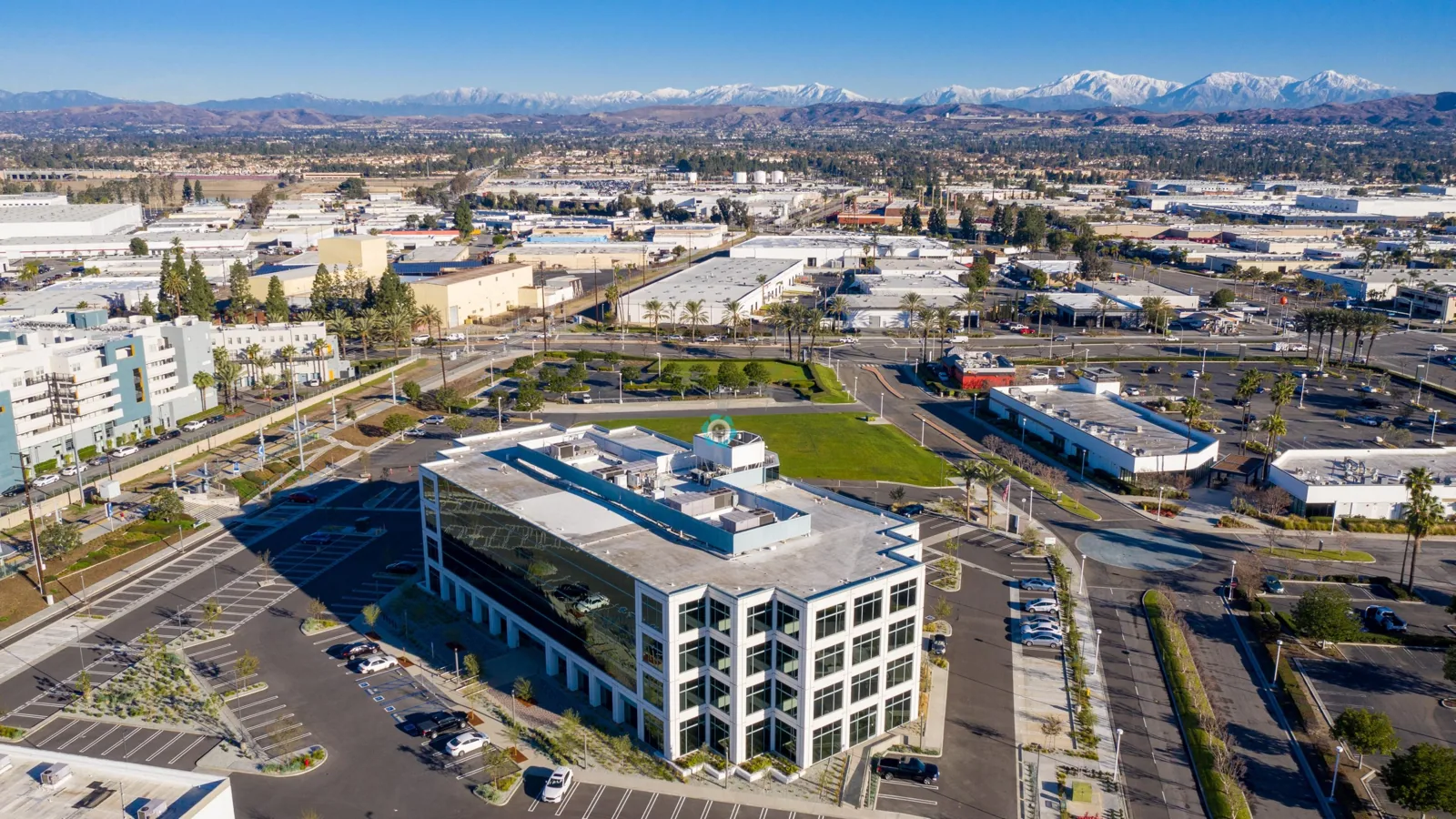
A multi-site roofing program needs common reporting with room for each building’s actual condition. In College Station, TX, an owner may manage office, research, retail, manufacturing, and industrial properties across Bryan and nearby districts. A shared calendar can coordinate inspections and work, while site-level records preserve roof assembly, access rules, operating hours, and repair history. We help asset managers set that structure, sort field priorities, and connect maintenance activity with capital decisions so a portfolio plan remains useful to the people responsible for each property.
Set a common record without flattening differences
We begin with a property list, roof-area identifiers, available plans, known assemblies, operating contacts, and prior service records. Each building receives a consistent way to log findings, photographs, repair status, and follow-up dates. The format can be common across the portfolio, but condition remains local to the roof. A warehouse with restricted loading windows, an occupied office, and a research building with equipment access needs should not inherit the same work sequence just because they share an owner.
College Station’s planned Midtown Business Park is intended for commercial, corporate, office, light-industrial, manufacturing, and retail uses. Bryan also has established rail-served industrial areas. A portfolio record should therefore preserve the property’s own use and access requirements rather than infer them from a district plan or neighboring parcel. A roof asset register can hold the core inventory, with a condition report attached to each field review. The combination lets regional managers compare status while keeping every observation tied to a specific roof area.
Coordinate visits around operating windows
Scheduling several roofs requires more than selecting dates. We confirm who can authorize access, whether escorts or notices are required, where equipment can be staged, and which hours avoid a conflict with deliveries or occupied spaces. If multiple sites can be reviewed in one field window, we map travel and access in advance while preserving enough time for each assembly. The work order records the property contact and any area that was unavailable so a missed roof section does not disappear from the program.
FM 2818 is a major route connecting destinations and serving commercial and residential land uses through the urban area. It can help organize travel between Bryan and College Station properties, but site logistics still depend on each building’s own access plan. The local summer normal highs climb from 94°F to 97°F through July, a relevant consideration for rooftop scheduling and crew access. We use the operating calendar and field conditions to select a workable inspection window, then record the date so later findings can be compared with the same roof areas.
Route findings to the right action
Portfolio triage should distinguish an active water opening from routine maintenance, a recurring detail problem, or a condition that needs testing. We assign each item a roof location, priority, owner, and next step. The program can show which work is awaiting approval, scheduled, complete, or under observation. Where information is missing, the record identifies the question and who can resolve it. That gives the asset manager a view of the queue without converting every note into an emergency or losing urgent items inside a general maintenance list.
College Station observed an 85 mph gust during the destructive severe thunderstorm on June 3, 2023. A regional event can prompt a portfolio review, but it does not establish damage at each property. We compare the event date with building-specific reports and inspection findings, then route any observed condition for review. If a site needs further evaluation, a roof inspection can document visible details, while a moisture survey can address a specific question when conditions support that method.
Group work where the roof evidence supports it
Some tasks can be coordinated across sites, such as maintenance visits, photo standards, or a common closeout format. Material selection, repair limits, temporary protection, and replacement timing remain specific to the assembly and condition at each building. We can group similar work to simplify scheduling, then separate site scopes so approvals and changes remain traceable. A shared procurement window does not remove the need to inspect transitions, deck conditions, drainage, or equipment supports at the individual roof.
For capital work, the program can rank roof areas by condition, operational impact, and readiness. We identify repairs that may extend the planning window and larger scopes that need design, testing, or budget review. A capital plan can carry those recommendations forward, and preventive service can track recurring tasks. Where a project is ready, a replacement scope should state its property boundary, access assumptions, and decision points.
Give portfolio leaders a clear status view
A program dashboard or report should answer which roofs were reviewed, what changed, what work is open, and which decisions need attention. We can summarize by property and roof area, with a consistent status vocabulary and dated supporting records. It should be possible to trace a high-level priority to a photograph, Diligence Notes, work order, or inspection report. This avoids treating a traffic-light score as a substitute for the condition history behind it.
Managers can use regular reviews to update the sequence when repairs are completed or new observations change a property’s priority. We track deferred items and note the reason for deferral, along with a condition that would bring them back for review. If ownership changes, the file still shows the assembly, work history, open access issue, and next scheduled task. For a portfolio spanning College Station and Bryan, the same report format can support both markets while keeping site facts separate.
Maintain continuity from one cycle to the next
Each visit should close with the areas reviewed, photographs, work completed, remaining items, and a clear owner for the next step. We can add repair closeouts to the asset record, update planned maintenance dates, and preserve decisions about scopes that were deferred. If weather or access changes the schedule, the program log records the revision and the property affected. The owner can see whether a delayed inspection leaves an open condition unreviewed or simply shifts a routine task. We can also note when a site contact confirms that an access restriction has cleared, so the next visit is planned from current information. That gives operations and finance teams a shared view without making one team reconstruct another’s notes.
Share the portfolio list, condition history, occupied hours, equipment-access needs, and capital dates. We can build a review sequence that coordinates field work across the properties and keeps the roof decisions grounded in each building’s record.
Commercial Roofing Questions
How does a multi-site roof program begin?
We review the property list, available roof plans, service records, access contacts, and operating constraints. Then we agree on common labels and reporting fields while preserving separate records for each roof and building.
Can several buildings be inspected during one visit?
A coordinated field window can cover nearby properties when access contacts and operating schedules align. We reserve time for each roof, record any unavailable area, and keep findings attached to the correct site.
Should similar roofs receive the same repair scope?
Shared assemblies may make planning more efficient, but the repair boundary follows field condition, details, drainage, and access at each building. We document the evidence behind each property’s scope before grouping work.
What should a portfolio report show each month or quarter?
A useful status view lists roofs reviewed, active findings, approved and completed work, deferred items, and upcoming decisions. Supporting notes and photographs should remain available at the property level.
Can the program include emergency roof response?
Yes. Emergency response is available around the clock, throughout the week and on holidays. We coordinate with the authorized property contact, document the affected area, and add the response and follow-up work to that building’s record.
Coordinate your roof portfolio
Share the property list, condition history, occupied hours, equipment-access needs, and capital timing. We can map a coordinated inspection and maintenance cycle by building.
Related Roofing Work
Request a Roof Assessment
Tell us about the building, the roof and what you are seeing. We look at leaks, storm and wind damage, aging membranes and planned replacements on commercial properties across College Station, Bryan and Brazos County.