
Commercial Roof Warranty Management in College Station, TX
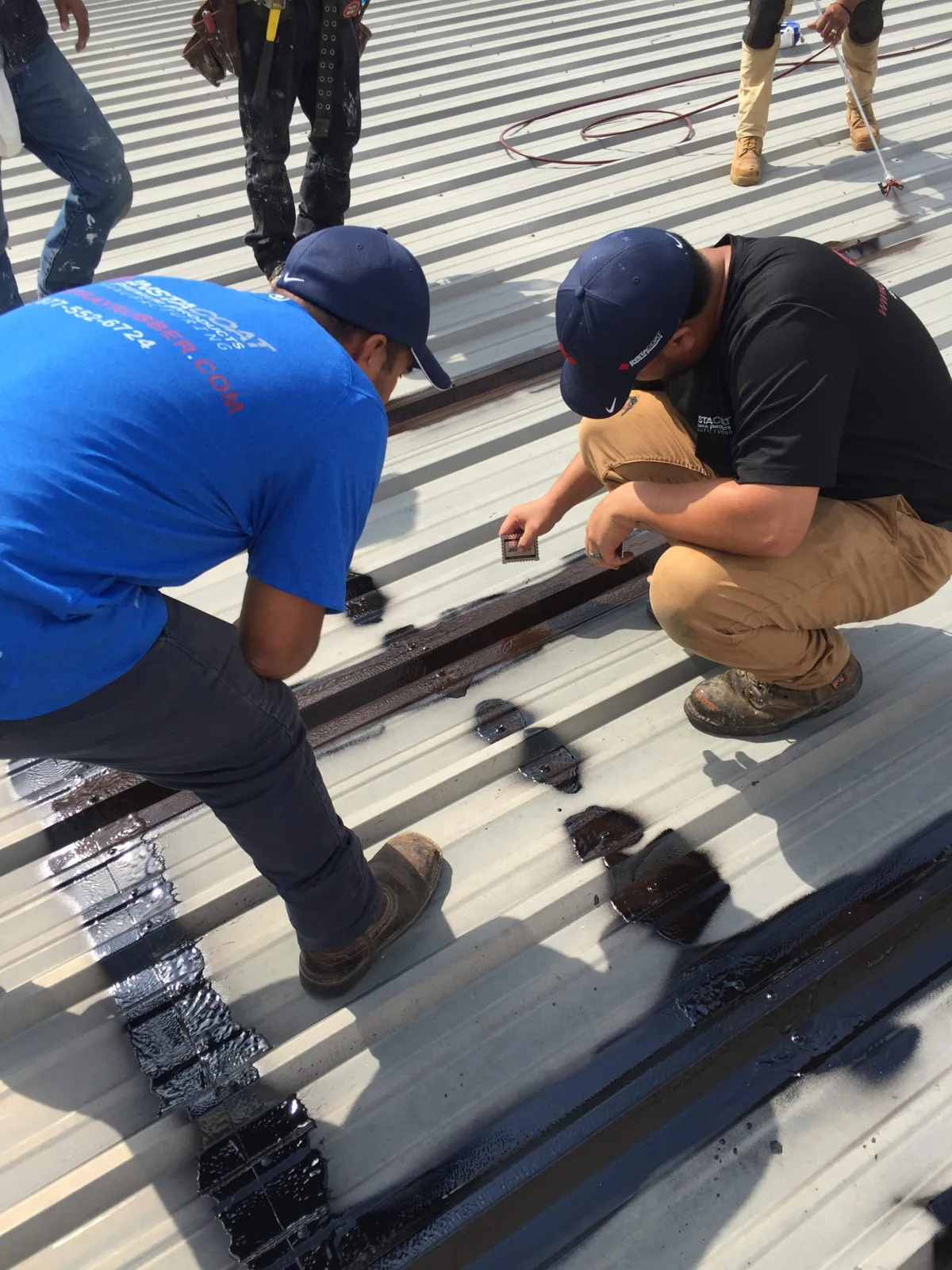
Commercial Roof Warranty Management
A roof warranty file is useful when it tells the property team what document applies, what work has been recorded, and which questions remain open. In College Station, TX, owners may manage office, research, retail, industrial, and other commercial buildings with separate assemblies and service histories. We organize the available warranty paperwork with roof plans, inspection findings, repair records, and maintenance notes. That gives managers a practical way to prepare for service decisions and keep the building’s condition history legible as staff or ownership changes.
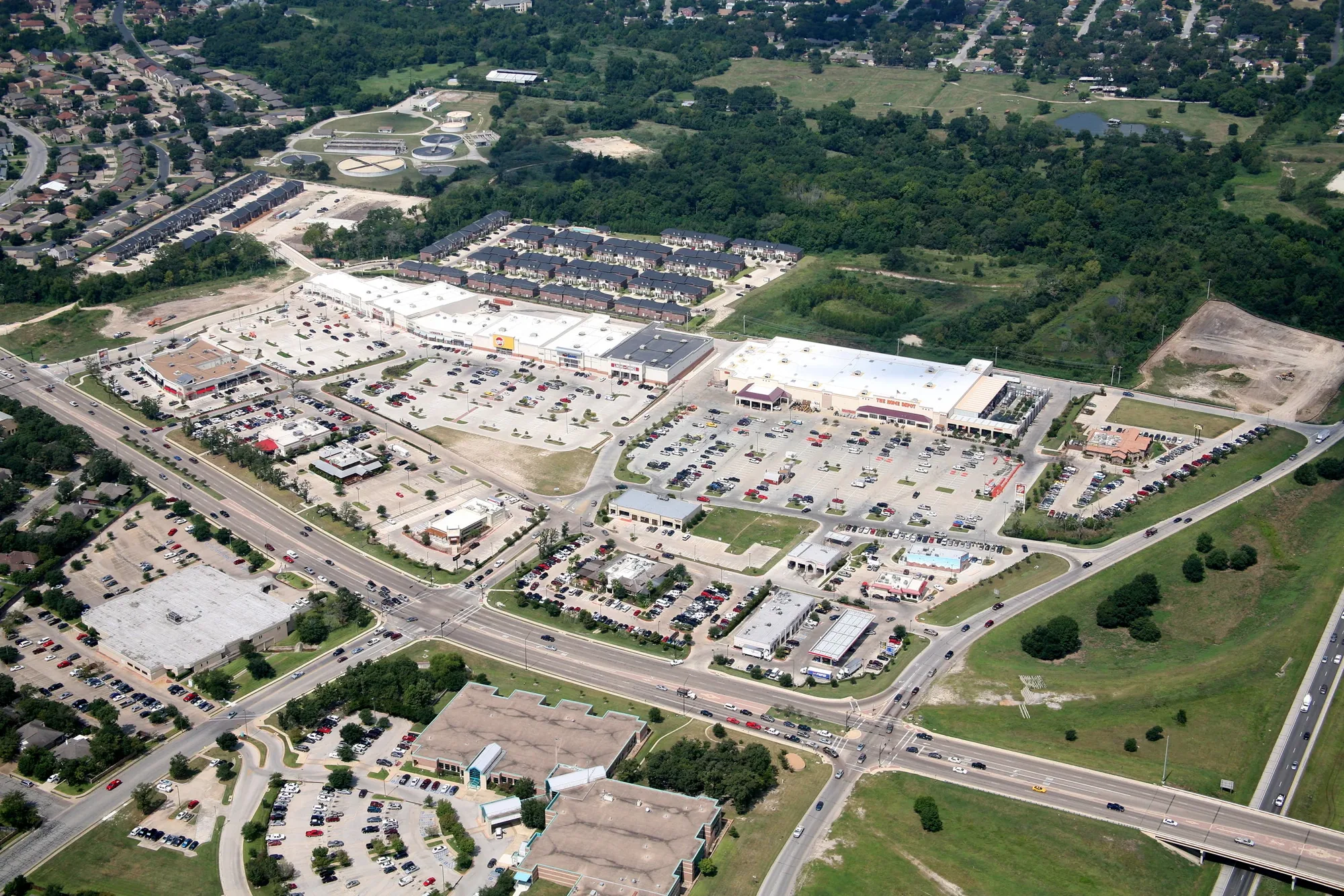
Build the file from the documents on hand
We begin with the warranty document, project closeout material, roof-area plans, product information, and the service records the owner can provide. The file should identify the covered property and roof area, the document date, any stated inspection or notice process, and the contact path shown in the paperwork. We do not assume that two additions share the same terms or that a document for one assembly applies across the entire building. When a file is incomplete, we list the missing record rather than fill the gap with an assumption.
College Station and Bryan have a mixed commercial base that includes research, health-science, office, retail, manufacturing, and rail-served industrial property. A portfolio may therefore contain different roof ages, contractors, and document sets. We can make a property index that links each warranty record to its own roof areas and repair history. A roof asset register helps preserve those distinctions, while a condition report captures the current field observations that belong beside the paperwork.
Keep service activity tied to the covered area
Maintenance notes are easier to use when they identify the date, roof section, condition observed, and work performed. We record photographs, materials or details addressed, access limitations, and any follow-up item. If a repair touches flashing, a seam, drain, curb, or edge, the note should make its location clear enough for a later reviewer to find. Where the warranty paperwork sets a specific notice or approval procedure, the owner can follow that language before authorizing work that may affect the covered assembly.
Our field work can include inspections and planned maintenance, but the governing document controls its own requirements. We can review records with the property contact, identify a question that needs the document issuer’s response, and keep the question distinct from our roof observations. A scheduled maintenance visit can add dated condition notes, and an inspection can document the roof condition when a concern is reported. The service record then shows what was seen and what action was taken.
Separate roof condition from warranty interpretation
A roof condition and a warranty decision are related but not identical. We can describe an observed seam opening, flashing issue, drainage concern, or interior report and document its location. Whether that condition falls under a particular warranty depends on the actual terms, exclusions, maintenance history, and review process in the file. We do not promise an approval. We give the owner a clear description of the roof condition and the records needed to ask the appropriate question.
College Station’s adopted 2024 IBC and IECC codes take effect January 1, 2026, and commercial energy designs require COMcheck reports. If a roof project changes insulation or other design details, the owner can keep the related permit and design records with the warranty file. Those records do not replace the governing terms, but they help explain what work was reviewed and completed. If a property has documented storm observations, those records can be stored alongside the dated inspection rather than substituted for it. Bryan and College Station area managers can also preserve event notes separately from a storm-related roof review.
Document repairs before the next review
Before work begins, we confirm the area, reported condition, available documents, and the owner’s approval path. If the paperwork calls for notification or review, the property contact can address that step before work proceeds. We document the agreed limits, access arrangements, and any temporary protection. If concealed conditions appear after an area is opened, we record what is visible and pause at the agreed review point so the owner can decide how to proceed.
After the repair, closeout notes should identify the location, work completed, photographs, remaining conditions, and any recommended monitoring. That creates a traceable service history and gives the next inspection a reference point. If the repair is part of a larger scope, the record can connect to a commercial roof repair work order or a replacement project file without mixing those records with a different roof area.
Review multiple properties without merging their terms
For a portfolio, we can track document status, assembly, last inspection, open repair items, and next review date by property. The owner can see which files need attention without treating every roof as though it has the same warranty conditions. Properties in Bryan and College Station may be scheduled in one field window, while each building retains its own photos, contacts, access notes, and closeout record. That structure helps an asset manager coordinate work and still preserve the authority of each property’s documents.
Along FM 2818, commercial and residential land uses share a major route through the urban area. The corridor can help organize travel between sites, but warranty records remain tied to the individual roof and its paperwork. We can coordinate reviews in College Station and Bryan, then feed field observations into a multi-site roofing program that tracks open work and planned follow-up.
Give the next manager a clear record
A manageable file includes the applicable document, roof-area map, dated condition reports, maintenance history, approved repair records, and a list of unresolved questions. We can organize those materials and note which items need owner follow-up or a document issuer’s interpretation. At turnover, the new contact can see what was reviewed and which actions remain pending instead of reconstructing the history from scattered messages. A short status field can identify whether a document is current, whether a field visit is scheduled, and whether a question has been sent for interpretation. The owner can then assign responsibility without confusing a roof condition note with a coverage decision.
Share the warranty documents, service logs, roof plans, occupied hours, and equipment-access needs. We can review the roof-side records and set a field plan that fits the operating calendar.
Commercial Roofing Questions
Can you tell whether a roof repair is covered by the warranty?
We can document the roof condition and organize the records. Coverage follows the terms and review process in the applicable document. We identify the relevant observation and help the owner prepare the information needed for that review.
What should a warranty maintenance log contain?
Record the date, roof area, observed condition, work performed, photographs, access limits, and follow-up item. If the document specifies a notice or approval procedure, keep the related correspondence with that entry.
Should a property owner authorize emergency protection first?
An active opening may need prompt protection to limit interior exposure. We document the condition and coordinate with the authorized property contact, while the owner follows any notice process in the applicable warranty documents as soon as practical.
Can one warranty file cover additions installed at different times?
The file should identify which roof areas and work are covered. We map each known assembly and document to the area it applies to, then flag any gap for the owner to resolve before relying on the file.
How can a portfolio manager track upcoming warranty reviews?
A property-by-property register can list the document, assembly, last inspection, open work, and next review date. We keep those entries separate so the timing or terms of one roof are not applied to another.
Organize your roof warranty records
Share the available warranty documents, roof plans, repair history, occupied hours, and equipment-access needs. We can organize the field review and service records by property and roof area.
Related Roofing Work
Request a Roof Assessment
Tell us about the building, the roof and what you are seeing. We look at leaks, storm and wind damage, aging membranes and planned replacements on commercial properties across College Station, Bryan and Brazos County.