
Commercial Fire Damage Roof Repair in College Station, TX
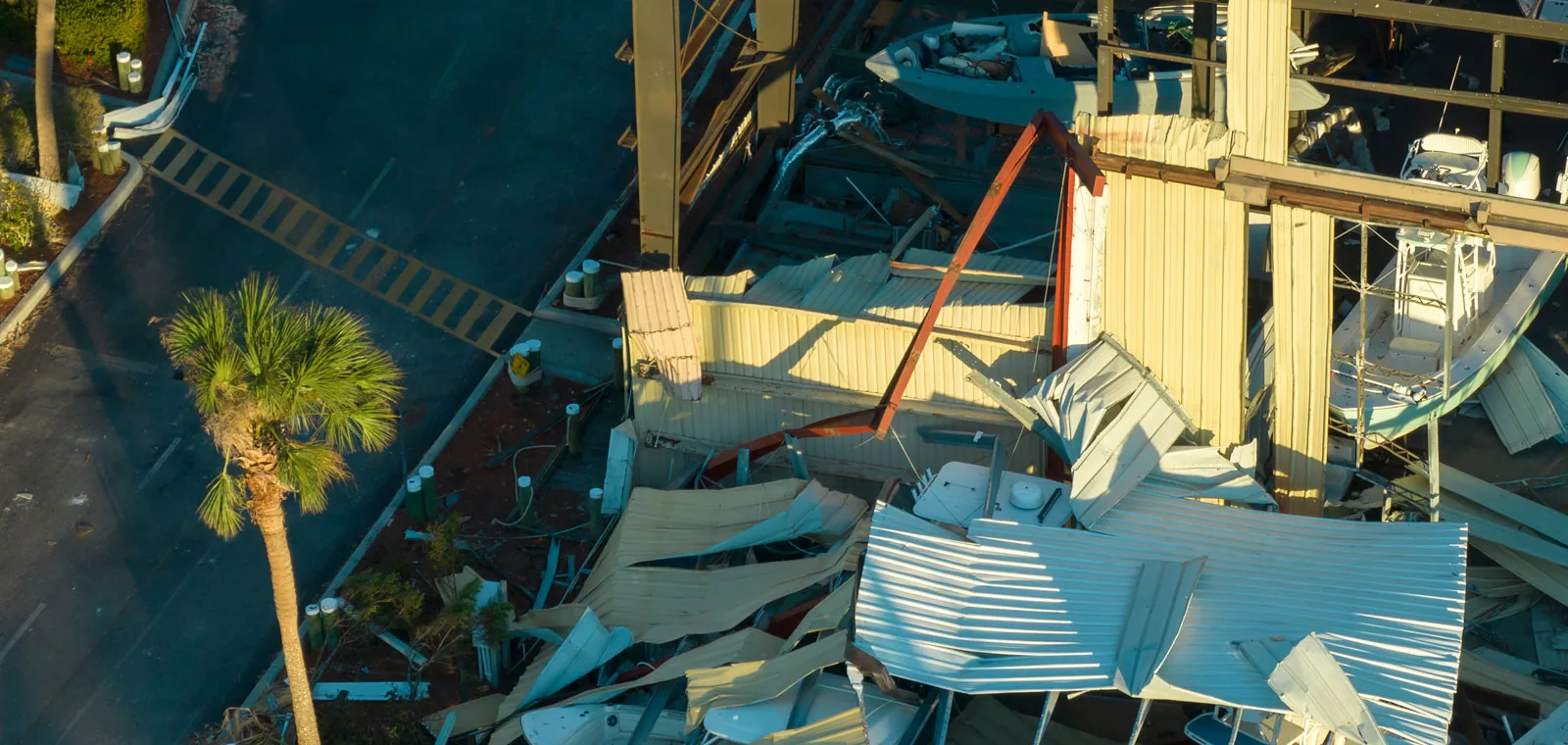
Commercial Fire Damage Roof Repair
After a roof-area fire, visible char or smoke staining may only show part of the damage. Heat can affect membranes, insulation, fasteners, deck, and rooftop equipment; firefighting water can move into the assembly or collect in low areas. We inspect from safe access points, map visible conditions, and identify what requires testing or review by a structural or fire-restoration professional. The repair scope separates roof work from interior cleanup and equipment replacement. In Bryan and College Station, active research, office, manufacturing, retail, and hospitality buildings may need a repair sequence that protects operations below.
Building access should follow the incident commander and facility safety plan. Once roof access is released, a commercial roof inspection can document the surface and define the next decisions.
Coordinate Access Before the Roof Survey
Do not enter a roof area until the building and fire-safety teams confirm it is safe. Heat may have weakened a deck or support even when the membrane appears intact, and smoke can leave residues that require controlled handling. We follow the facility's clearance, fall-protection, and contamination procedures. If a zone cannot be accessed, the report identifies the restriction and the professional assessment needed before a return visit.
The initial record notes the fire boundary, roof openings, debris, temporary coverings, damaged penetrations, and any area exposed during suppression. We photograph conditions before moving materials where safe to do so. An emergency roof response can address temporary dry-in once access is authorized. Active water entry and unstable roof conditions are prioritized with the building contact rather than treated as ordinary maintenance.
Look for Heat Effects Beyond the Burn Mark
Heat can soften or shrink a membrane, loosen adhesive, warp metal, blister coatings, and damage insulation beneath a surface that has not fully burned through. We note discoloration, exposed reinforcement, deformed flashing, lifted seams, and any change in panel shape. The survey also distinguishes direct flame contact from radiant heat and smoke deposits, since each may affect a different component. We do not remove a roof layer until the facility team approves the opening and the surrounding area has a safe containment and dry-in plan. Smoke residue is recorded separately from heat damage because cleaning may be possible where the material remains sound, while a heat-affected component may need replacement. The assessment describes observable evidence and avoids concluding that a whole roof area is compromised from one mark.
Equipment, pipe supports, and electrical conduits near the incident may require a trade inspection before roof repair. We identify penetrations that need temporary protection and the detail that must be restored after equipment work. If the membrane was cut or punctured during access, the puncture repair review can address that separate condition. The facility and restoration teams can coordinate which contractor handles debris, cleaning, and roof material removal.
Trace Water Used During Fire Suppression
Firefighting water may remain in roof depressions, travel through an opening, or enter around a damaged curb. We trace the route to drains and scuppers, note ponding or debris, and inspect the nearest seams and transitions. Interior water reports are mapped separately from the likely roof entry point. If water reached insulation, a moisture test or opening may be needed to determine whether the material can remain in place.
Drainage work and fire-related roof repairs should be listed separately when both are present. A strainer may need cleaning, while a damaged flange may require a new flashing detail. A drain and scupper assessment can document outlet conditions and any blocked overflow path. Where a transition opened during the incident, a flashing failure review can define the roof-to-wall or curb work.
Set Tests Around the Repair Decision
Testing is useful when it can change whether the owner selects a localized repair, partial replacement, or full removal. We mark proposed test areas, explain the method, and identify what each result would confirm. A core or approved cut may show layer condition; moisture mapping can help prioritize openings but should be interpreted within the tested area. If deck strength or structural capacity is uncertain, the project should obtain the appropriate professional assessment before loading materials or starting tear-off.
We also review roof plans, product records, maintenance files, and photographs made before the incident. Those records can show where previous patches or penetrations were present. They do not replace current testing, but they help the owner separate pre-existing wear from observed incident conditions. A moisture survey can identify locations for confirmation, while a condition report can preserve the test map. The proposed opening and closeout procedure should be approved before any roof layer is removed.
Scope Restoration From Substrate to Weather Surface
Fire-related repair may include removing damaged membrane, insulation, cover board, flashing, or deck, then rebuilding the assembly to a defined boundary. We identify material transitions, edge conditions, drainage, equipment supports, and temporary protection required while the roof is open. A patch may be appropriate where surrounding layers remain secure and dry. If heat, suppression water, or repeated failure reaches beyond one zone, the scope may require broader removal and replacement.
Following a fire response, coordinate with the property representative before entering the roof or handling soot, debris, or damaged equipment. Record which areas have been released for inspection and whether other trades remain active. The roofing scope should distinguish heat-affected materials from conditions merely adjacent to the event, and note when a qualified building professional must determine whether the substrate is safe to evaluate.
Protect Occupants and Return the Building to Use
Fire-related roof work can interact with interior cleanup, equipment recovery, deliveries, and temporary occupancy plans. We coordinate roof access with the facility lead, set boundaries for the work area, and confirm whether odors, dust, noise, or temporary openings affect the rooms below. Each shift has a defined dry-in point and a contact who can review concealed conditions. A building work sequence can align roofing activity with restoration and facility schedules. The team also coordinates access in College Station when that location applies.
When multiple trades remain active, the facility contact identifies the released roof boundary, emergency route, staging zone, and rooms that remain restricted. We record those limits by roof area and confirm the daily handoff names who can approve a changed condition. This gives the roofing crew a usable work area while other responders and restoration teams continue their assigned work.
Before the building returns to normal operations, the closeout records which roof areas were inspected, what repairs were completed, where temporary protection remains, and which specialist evaluations are still pending. The property lead can use that handoff to schedule follow-up without treating an unresolved interior or equipment issue as a roofing repair.
Commercial Roofing Questions
Can a roof look intact after a fire and still need replacement?
Yes. Heat or suppression water can affect concealed insulation, attachment, or deck. We identify visible conditions and recommend testing or professional assessment where results could change the scope.
Who decides when the roof is safe to enter?
The building and fire-safety teams control access after the incident. Roofing inspection begins only after they release the area and any required safety procedures are confirmed.
Does smoke staining mean the membrane has failed?
Not by itself. We document residue separately from heat deformation, open seams, or loss of attachment, then identify cleaning or replacement decisions based on material condition.
How do you account for water used during suppression?
We inspect drains and low areas, map interior reports, and test suspect layers when moisture could affect the repair boundary. The report states what was verified.
What records help with fire damage repair?
Incident and access notes, pre-event roof photos, roof plans, equipment records, water reports, and test results help define the work sequence and support the closeout file.
Document Fire-Related Roof Conditions
Once roof access is released, share the roof plan, incident timeline, photos, water reports, equipment status, and access rules. We can map observed conditions and define testing and repair options.
Related Roofing Work
Request a Roof Assessment
Tell us about the building, the roof and what you are seeing. We look at leaks, storm and wind damage, aging membranes and planned replacements on commercial properties across College Station, Bryan and Brazos County.