
Versico Commercial Roofing in College Station, TX
Versico Commercial Roofing
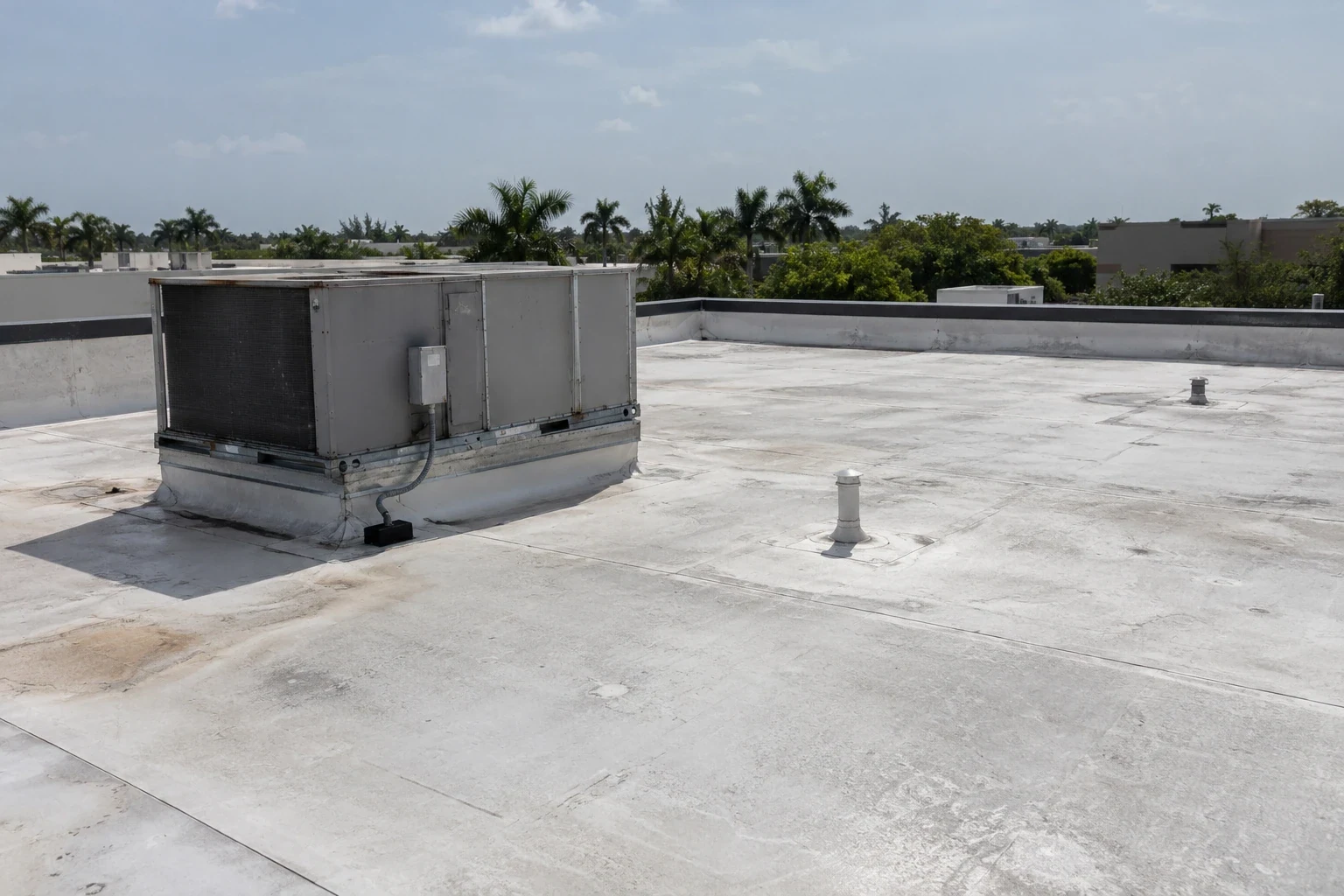
Owners comparing Versico products need an installation plan that follows the roof assembly from deck to perimeter. In College Station, TX, we document the membrane, attachment, seams, flashings, rooftop units, drains, and visible signs of moisture before recommending a repair or replacement. The result gives a facilities contact a set of conditions to compare with product records and prior work. A Northgate District roof review may involve retail, restaurants, hospitality, and mixed-use properties, where equipment service and occupant access shape the field schedule.
The June 3, 2023 storm produced an 85 mph gust measurement in the College Station record. The event gives owners a date to check service calls and photographs, while the roof inspection establishes what is present today.
Read the Versico product family accurately
Versico’s commercial system families include EPDM, TPO, PVC, and fleece-backed membranes. VersiGard EPDM, VersiWeld TPO, VersiFlex PVC, and VersiFleece are names an owner may encounter in product documents. We identify the exact sheet and assembly from submittals, markings, and physical details rather than relying on a sales description. The file should also show insulation, cover board, deck, attachment, edge, flashing, and the components needed around drains and equipment.
Each membrane brings different seam, repair, and flashing methods. EPDM seams use an approved joining approach for that system; TPO and PVC joints are hot-air welded. Fleece-backed products may be specified for particular substrate or recover conditions, which still need review before a new layer is approved. A Versico EPDM review or PVC system comparison should include the condition beneath the membrane and the project details at transitions.
Product selection also depends on how the building is used. Restaurant exhaust, cleaning chemicals, production activity, roof traffic, and frequent equipment service may affect the surface and detail requirements. We ask the property team what materials reach the roof, where service staff walk, and how often equipment is changed.
Check attachment after regional wind
The 2023 gust recorded in College Station does not establish that a particular roof experienced damage. It is a useful reference for reviewing dated work orders and checking edge conditions during a current inspection. We look at perimeter metal, corners, terminations, field seams, rooftop equipment supports, and flashing transitions. The report identifies observations by roof zone and separates visible displacement from items that require testing.
The design wind criteria and attachment pattern should match the building and its deck. We review the specified fastening rows, plate spacing, adhesive coverage where relevant, edge securement, and corner details against project documents. If a bid changes the attachment method or insulation package, the team should see how that change affects the assembly. We do not make a field adjustment by adding fasteners without confirming the deck and specification.
Wind review continues at equipment. Curbs, screens, supports, conduits, and service paths can affect membrane details and require coordination with another trade. We note loose or damaged items and confirm who will restore the flashing after equipment work. The final scope should keep roof restoration responsibility clear rather than leaving the membrane exposed after mechanical work is complete.
Inspect the surface and its repair edges
We map punctures, cuts, open seams, patches, surface wear, and areas affected by recurring foot traffic. A repair needs sound material around the defect and a boundary that can be prepared correctly. We remove loose or incompatible material, follow the selected product’s repair details, and check the finished edge for continuity. If damage follows a service route, we record the route and discuss protective walk pads or a change in access practice.
Drainage can expose a different problem than the one that first drew attention. We inspect the outlet, clamping ring, flashing, sump, scupper, and nearby membrane, then compare them with the flow path and visible ponding. Cleaning may solve a blocked outlet; a loose ring or open flashing needs repair; a low spot may need a broader design review. A drain and scupper inspection separates those items before the owner approves a membrane scope.
Where moisture is suspected below the sheet, we identify how the survey will confirm the extent. Infrared or electronic methods can guide investigation, while test cuts provide direct information about layers in a selected area. Results should be mapped so the owner can distinguish a dry zone from an area that needs removal. A moisture survey may reduce uncertainty before a repair, recover, or tear-off is priced.
Plan service around mixed-use properties
The city identifies FM 2818 as a major route for residents and businesses serving commercial and residential land uses. Across that corridor, roof access and work windows can vary by property. We confirm who can provide keys or escorts, where a lift may stage, which areas must remain clear, and whether deliveries or tenant hours restrict work. Those details help the crew enter and leave each roof zone without creating a conflict on the ground.
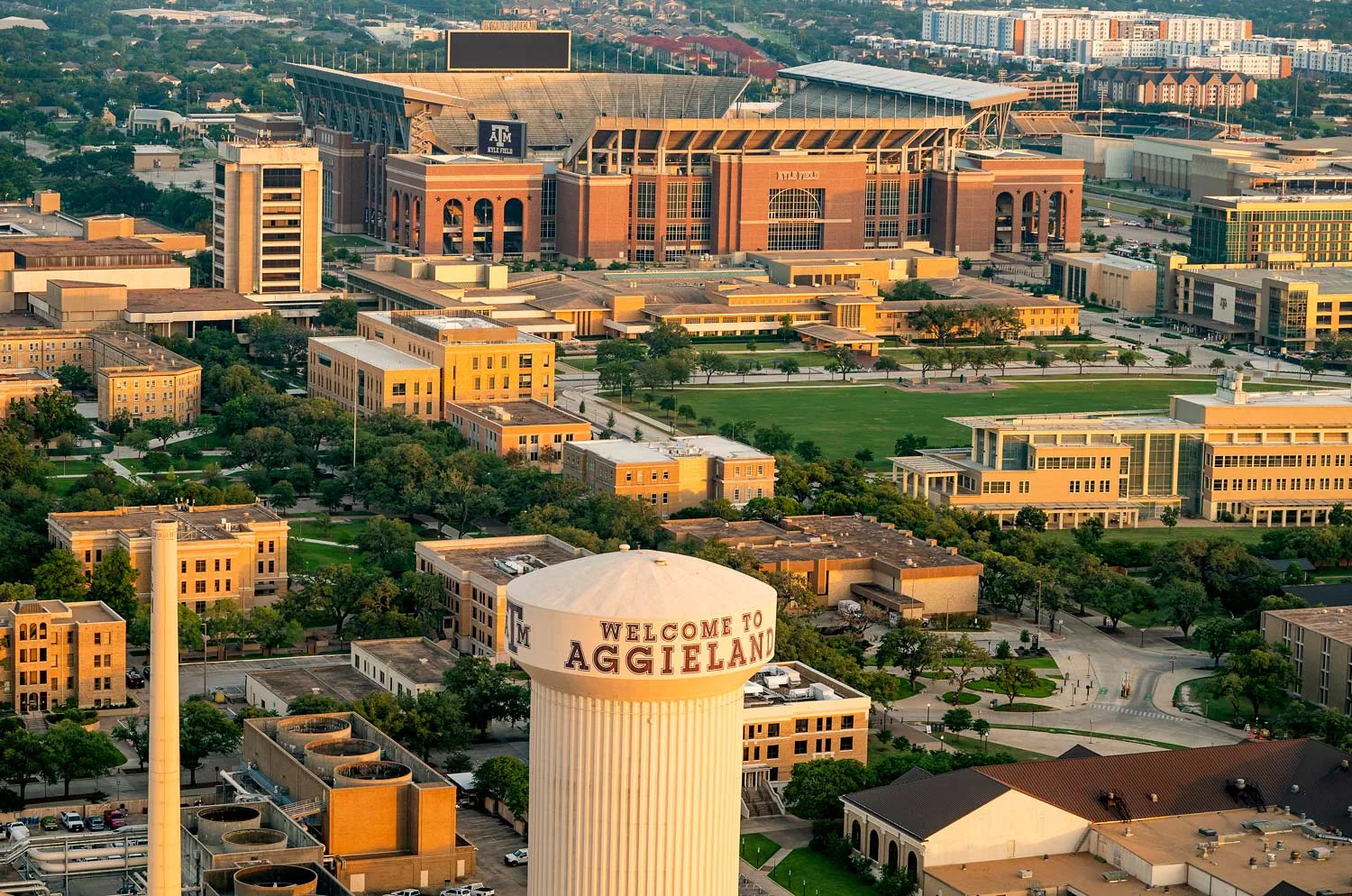
Northgate is a mixed district with restaurants, retail, hospitality, and mixed-use development. A building’s operating calendar can determine when roof inspections, deliveries, or noisy repairs fit. We coordinate with the property contact to establish hours, equipment shutdowns, and any interior protection. That plan is specific to the site; the district’s commercial mix does not tell us the condition or operating schedule of an individual roof.
During replacement, the project sequence should set a secure dry-in point at the end of each shift. We open only the area the crew can prepare and complete, then protect the roof before moving to the next section. If a hidden deck problem or wet insulation changes the plan, the owner receives the location and a decision request before work extends beyond the approved area. A replacement scope can make these steps part of the bid.
Keep system data with the maintenance file
After installation, retain the Versico product data, approved assembly, roof plan, fastening details, photographs, and maintenance instructions. Add notes from repairs, drain cleaning, equipment changes, and inspections. A manager should be able to locate the system family and previous work without relying on a name remembered from a contractor visit. When the next survey occurs, those records help identify recurring seam or flashing concerns.
Maintenance can review field seams, perimeter securement, roof paths, drains, penetrations, and equipment supports. We record what has changed since the prior visit and assign an action to each item. A preventive maintenance plan can schedule those checks around access and operations, with photographs that show the same roof areas over time.
When comparing Versico with another manufacturer, use the same area, deck, insulation, attachment, edge metal, drains, and work phasing in each estimate. A Carlisle SynTec system or GAF assembly should be evaluated against the same project details. The owner can then compare material and installation choices alongside any differences in preparation or maintenance, without mixing distinct roof scopes.
Commercial Roofing Questions
Which Versico membrane is on our building?
We check submittals, product labels, roof records, and the membrane and seam details that are accessible. If the exact family cannot be confirmed, the report says so and identifies what document or test would establish it.
Can Versico fleece-backed membrane be used on a recover?
A fleece-backed option may be part of a recover design, but the existing roof must be dry, secure, compatible, and suitable for the proposed assembly. We verify the substrate and transitions, then identify any testing needed before the scope is set.
Should the 2023 wind event trigger an inspection?
A recorded event can help the facilities team review dated photographs and service logs. We inspect the building to document present conditions at edges, seams, equipment, and flashings. The event record alone does not establish damage or replacement need.
What happens if we find moisture under the membrane?
We map the affected zone and check whether the condition extends into insulation or deck. Test results help define repair or removal limits. The proposal can separate confirmed work from an allowance for material that is still concealed.
Can we keep the property open during roofing work?
We plan access, deliveries, staging, interior protection, and roof-zone boundaries with the building contact. Each shift ends at a secure dry-in point. The schedule is adjusted for the property’s actual operating and safety requirements.
Review the Versico roof in place
Send your roof plan, system submittal, repair history, equipment schedule, and operating limits. We can inspect the assembly and organize a repair or replacement scope around verified conditions.
Related Roofing Work
Request a Roof Assessment
Tell us about the building, the roof and what you are seeing. We look at leaks, storm and wind damage, aging membranes and planned replacements on commercial properties across College Station, Bryan and Brazos County.