
Church Roofing in College Station, TX
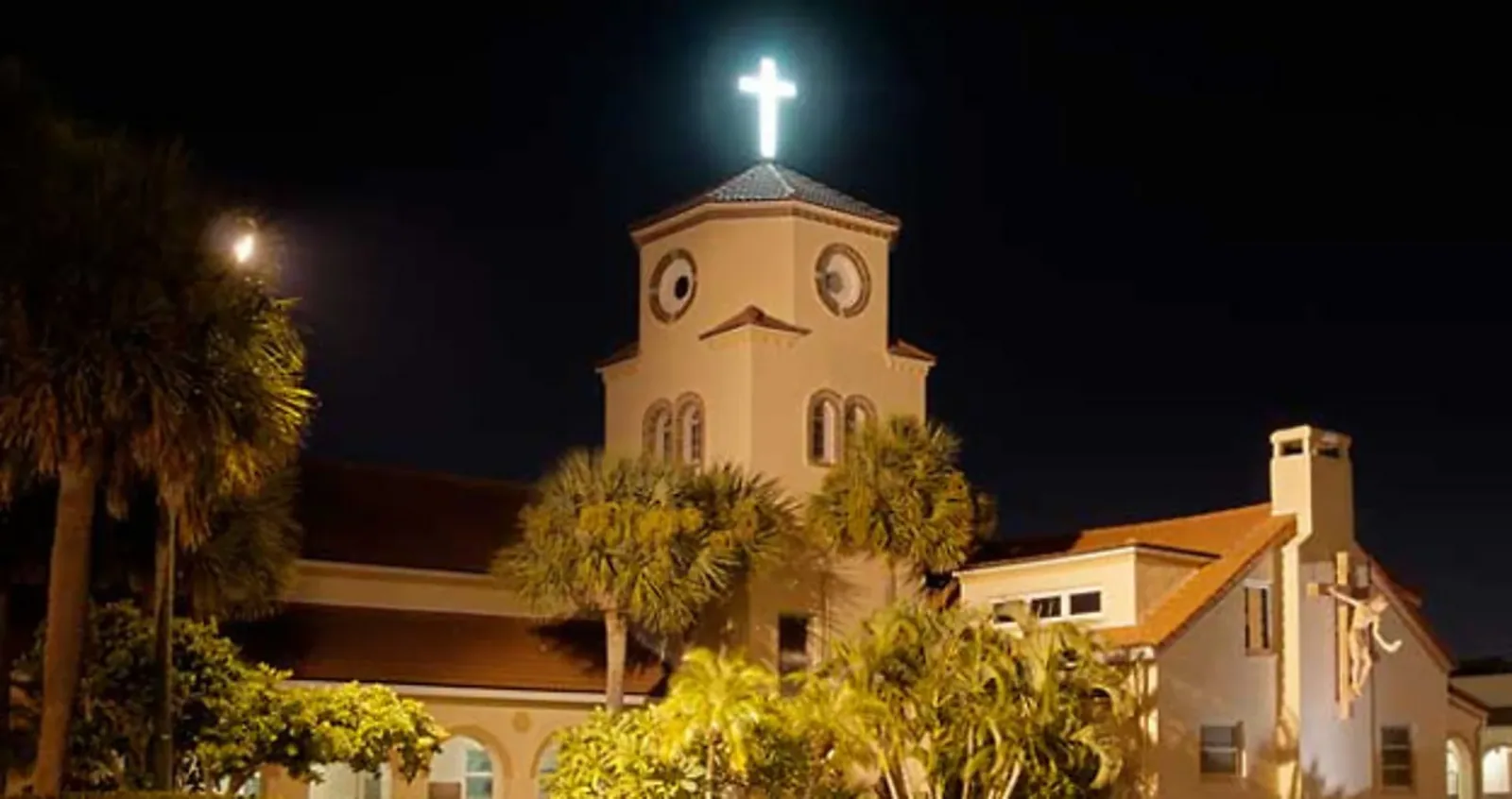
Church Roofing
Roof work at a house of worship should fit the building's regular use, volunteer activity, and access procedures. A leak above a meeting room, office, or storage area may call for different timing, but the roof source should be identified before a repair is chosen. We inspect accessible surfaces and details, document reported conditions, and coordinate with the person responsible for the property. In College Station and Bryan, each building has its own roof assembly, occupancy schedule, and maintenance history. A clear plan helps leaders protect the property while keeping decisions tied to observed conditions.
Plan around the building's weekly calendar
Before a visit, we ask when rooms are used, which entrances need to stay available, and who can provide roof access. Your building contact can identify recurring services, community activities, office hours, and any areas needing notice or interior protection. That information helps us choose a practical inspection window and organize staging without assuming the same schedule for every congregation.
If water has been reported, we record the room, date, and conditions observed, then compare those notes with roof details nearby. A ceiling mark may not sit directly beneath the opening, so we document a likely path only when the roof-side evidence supports it. The result can be added to a roof asset record for maintenance planning and later comparison.
If a room is reserved for a community gathering, the contact can flag the date and identify an alternate setup before work is scheduled. We can keep that constraint with the phase plan so the crew and building representative share the same expectation.
Review the roof assembly and transitions
Houses of worship may combine a sanctuary, offices, classrooms, fellowship areas, and additions built at different times. Those parts can create roof-height changes, intersections, and transitions that need separate inspection notes. We examine accessible seams, flashing, penetrations, curbs, edges, and drainage, then identify conditions that need repair or additional review.
Roof material influences how the details are checked. Membranes, metal panels, and older built-up assemblies have different seams and terminations. If several roof sections connect, we note the boundary between them so a repair scope does not assume that the same method applies everywhere. A commercial roof inspection can establish a record of accessible areas, reported symptoms, and any locations that remain out of reach.
Trace drainage concerns to a specific roof area
Debris, damaged connections, or a low area may influence where water remains after rain. We document visible drain and scupper conditions, nearby roof details, and any interior reports tied to that area. If ponding is reported, the record identifies its location and the available drainage path rather than assuming a single cause.
A targeted drain and scupper review can clarify whether an inlet, connection, or broader drainage condition needs attention. We also record whether access was limited by roof geometry or safety procedures. That helps the property contact decide whether a follow-up visit or additional testing should be scheduled before a larger repair is considered.
Use storm and heat history as inspection context
College Station’s July climate normals place the monthly mean high at 95.4°F, with daily highs moving from 94°F to 97°F over the month. When setting a summer access window, the property contact can account for scheduled services and community activities while the crew follows current product and safety requirements.
The April 2021 storm brought hail up to 2.75 inches across Bryan and College Station. If the congregation requests a post-storm review, share the event date, earlier roof photographs, and repair notes so the inspector can compare the current surface with the available history.
Select repair or replacement from the evidence
A local repair may fit when a defect is defined and surrounding materials remain serviceable. Restoration, recover, or replacement options need broader review of existing layers, moisture information, drainage, attachment, and repeated defects. We explain what the inspection supports and what remains uncertain, so ownership can compare scope with budget timing and the building's calendar.
A repair scope should identify the affected roof zone, the detail being addressed, and the boundary where existing material remains in place. If the surface is dry but a report suggests hidden moisture, that question needs a defined investigation rather than a larger repair by assumption. We can also note whether the area should be rechecked after work, giving the maintenance lead a concrete closeout action.
Material choice should account for the installed roof and its details. A standing seam metal roof has different attachment and transition requirements from a membrane assembly. If the property is also planning work around an office building or senior living property, we keep each asset's scope and schedule separate. No single repair method should be carried across roofs without reviewing their condition.
Coordinate staging and protect occupied areas
Before mobilization, we confirm roof access, staging locations, work hours, protected interior areas, and the contact authorized to resolve field questions. A phased sequence can identify which roof zone is active and when it is ready for closeout. The building's representative can tell us which routes, rooms, or entrances need additional coordination while work proceeds.
If concealed moisture or a different roof layer appears, we document what is visible and review the next action before broadening the scope. That keeps the project tied to field evidence and gives the property contact a clear decision point. The handoff can list completed areas, temporary conditions, remaining work, and follow-up so the building's maintenance record remains useful after crews leave.
For a congregation, the visit plan can also identify the person who will open the roof access point, any scheduled use of the rooms below, and how temporary protection will be checked at day's end. We can record a deferred detail separately from finished work, giving the building contact a clear follow-up item without disrupting the next scheduled activity.
Plan work across local properties
The Bryan and College Station area includes education, public services, health science, research, retail, hospitality, and manufacturing. If your congregation manages more than one property, share each building’s weekly use, roof access contact, assembly information, and maintenance history so visits can fit the actual calendar.
FM 2818 connects the urban area between its northern and southern SH 6 junctions. A team coordinating buildings in Bryan and College Station can consider nearby visits in one service window when each property contact can provide access. We keep roof zones, repair history, and work approvals separate for each address.
Commercial Roofing Questions
What should a church provide before a roof inspection?
Share available roof plans, leak locations and dates, access procedures, recurring building-use hours, and the person who can approve field access. Those details help us coordinate a practical inspection window.
Can roof work be scheduled between services or activities?
We coordinate work hours, staging, access routes, and occupied areas with the property contact. The sequence depends on roof conditions and the building's schedule, and can be phased when practical.
How do you assess a leak over a meeting room?
We map the room and timing first, then inspect the roof zone that could relate to the report. If the entry point remains uncertain, we note the limits of access and the next review that could resolve it.
Do you review roofs after hail or wind?
We can inspect accessible surfaces, edges, seams, and penetrations after a reported event. Regional weather is context; the property's observed conditions and history guide the recommendation.
How do you decide whether to repair or replace?
We review the existing assembly, recurring defects, drainage, available moisture information, and repair history. The recommendation explains what the evidence supports and what remains uncertain.
Plan a church roof inspection
Share the roof plan, access procedures, repair history, and the building's regular use schedule. We can coordinate with your property contact in College Station or Bryan and document a practical next step.
Related Roofing Work
Request a Roof Assessment
Tell us about the building, the roof and what you are seeing. We look at leaks, storm and wind damage, aging membranes and planned replacements on commercial properties across College Station, Bryan and Brazos County.