Hotel Roofing in College Station, TX
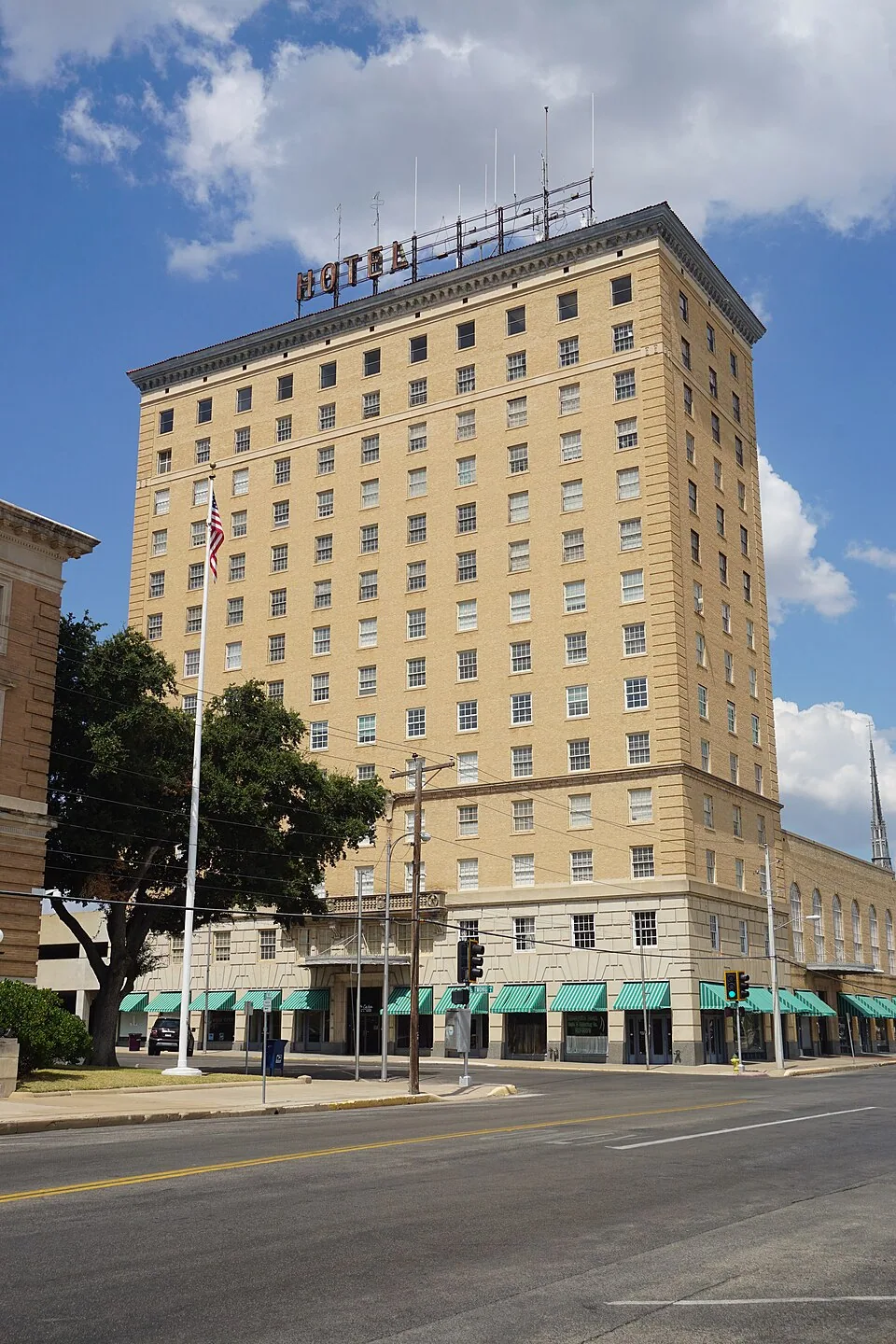
Hotel Roofing
Hotel roofs sit above guest rooms, lobbies, kitchens, meeting areas, and mechanical spaces that may be occupied across the day and night. A reported leak needs a careful route from the interior location to accessible roof details, while the field schedule must respect guest privacy, event timing, and property access rules. We review the roof assembly, prior repair history, equipment map, and manager’s constraints before describing the next step. College Station and Bryan have hospitality and mixed-use property within a broader retail, research, and office economy. Those market conditions provide context; a hotel’s roof scope should be based on its own records and observed condition. Guest complaints should be summarized for the facilities contact without exposing personal information in the contractor's general roof record.
Plan access around guest activity
The facilities contact can identify service corridors, roof hatches, guest-sensitive areas, event calendars, and equipment shutdown procedures. We confirm whether escorts are required, which areas can be photographed, and how contractors should communicate schedule changes. For a building with several wings or additions, label the roof areas so a report from one floor can be assessed against the correct assembly. Coordinate temporary interior protection with hotel staff and identify which team will install and remove it. The agreed sequence should state what work can proceed, where access is limited, and who will receive field updates. Before setting a field date, confirm event blackouts, housekeeping routes, privacy rules, and any equipment coordination that could affect staging or photography.
For an occupied hotel, the manager can identify the times when room turnover, event setup, deliveries, or kitchen service make a route unavailable. We can group observations by wing and confirm which areas require escort or notice. If work must pause during a guest event, include the restart condition and the person who will release the area so crews and staff have the same schedule.
Connect symptoms to roof details
A room-side report is a starting point, not a diagnosis. We compare the date and location with roof seams, parapets, wall transitions, drains, penetrations, and rooftop mechanical curbs that are accessible for review. The commercial roof inspection record can identify observed conditions, photographs, and areas requiring testing or additional access. If a hotel has recurring reports, note each occurrence and any weather or equipment context supplied by staff. This builds a useful pattern without assuming the source is the same each time. Label each wing or addition consistently so staff can connect a room report with the intended roof section after a renovation or change in property management.
Review rooftop units and interfaces
Hotels may have HVAC, ventilation, kitchen exhaust, plumbing vents, and communications equipment distributed across different roof zones. Each curb, pipe, or support should be considered in relation to the existing roof system and adjacent drainage. We document visible flashing and attachment conditions without moving equipment or making unapproved adjustments. When a service vendor must be present, coordinate the timing and responsibility before the roof visit. The review can also identify whether a planned equipment replacement should be paired with roof detail work, reducing the chance that later access disturbs a recently completed repair. Where drainage or roof access is limited, state the observation boundary and propose a defined next step instead of inferring unseen conditions.
Plan a post-event roof review
A severe thunderstorm on June 3, 2023 produced an 85 mph gust in College Station. After a reported event, schedule an accessible review of roof edges, rooftop supports, and exposed transitions. July average daily highs rise from 94°F at the start of the month to 97°F near its end; we can coordinate a workable access window with your facilities contact. Record the areas inspected, current conditions, guest reports, and any temporary measures before deciding on repairs.
Compare options by assembly
A hotel may have membrane roofs above guest wings and metal or other materials over canopies and service areas. We identify the system, visible condition, prior patches, drainage, and access constraints before comparing repair or replacement. A TPO assembly is only one possible roof system; it should not be specified based on property type alone. If broader work is under consideration, a replacement scope should state phasing, protection, access, and how equipment interfaces will be handled. A condition report can help the owner compare building sections and capital needs. An owner may separate repairs above guest spaces from work over kitchens, meeting rooms, or service areas when the phasing requirements differ.
Coordinate service across the local hospitality district
Historic Northgate combines restaurants, retail, hospitality, and mixed-use development. College Station's approximately 280-acre Midtown District includes existing housing, office, and retail with planned commercial growth. If your hotel is in either area, share the guest calendar, event commitments, access rules, and current construction records so the work sequence fits the property’s operations.
For each wing or addition, keep the room-to-roof map, equipment notes, and repair history with the property file. We coordinate the inspection with the manager and identify which sections can be reached during the planned visit.
Close out with the next manager in mind
The final record should note roof areas inspected, visible materials, photos, completed work, outstanding questions, access restrictions, and follow-up ownership. Avoid a blanket life estimate when the inspection did not expose the full assembly. If a hotel is renovated in phases, connect each scope to the corresponding wing or roof zone and retain earlier repair records. Nearby Northgate District properties may have different assemblies and repair histories, so we assess the hotel on its own roof conditions and records. Related restaurant and multifamily access needs may inform planning, but remain distinct. Give the hotel contact a schedule for follow-up decisions and note whether each item needs additional access, equipment-vendor input, or owner approval.
For each completed phase, note the date, roof zone, work performed, and any temporary protection removed or left in place. Keep vendor coordination and owner decisions with the related work record, then identify a target date or event for unresolved items. This helps the next facilities contact distinguish an active issue from a completed repair when the property schedule changes. Label photographs by wing and roof zone, and keep room-level details within the hotel’s facilities record for future reference as schedules evolve.
Commercial Roofing Questions
How should a hotel report a roof leak?
Record the room or common-area location, date, weather context, and any temporary action. Share the report through the designated facilities contact, who can coordinate roof access and keep guest details in the hotel’s own record.
Can inspection avoid guest areas?
The property team can identify service routes and sensitive areas. We follow the hotel’s privacy and safety procedures, and the manager can arrange any guest-facing notice before access is scheduled.
What if several wings have different roof systems?
Document each assembly and roof zone separately, including visible details, repair history, access limits, and any further evaluation needed. Keep the building identifier consistent across photographs, estimates, and closeout records.
Should rooftop equipment be moved for inspection?
Only authorized personnel should handle equipment. We coordinate with its service provider if access or testing requires their involvement, then note any outstanding vendor work or owner approval in the closeout.
Can replacement be phased during normal operations?
Phasing depends on the approved scope, access, weather, occupancy, and site controls. We establish those constraints with the property contact and identify the work area, operating impacts, and open decisions for each phase.
Coordinate a hotel roof review
Share the roof plan, guest and event schedule, equipment locations, prior leak and repair records, and access requirements. We can coordinate a field review with your property team.
Related Roofing Work
Request a Roof Assessment
Tell us about the building, the roof and what you are seeing. We look at leaks, storm and wind damage, aging membranes and planned replacements on commercial properties across College Station, Bryan and Brazos County.