
Restaurant Roofing in College Station, TX
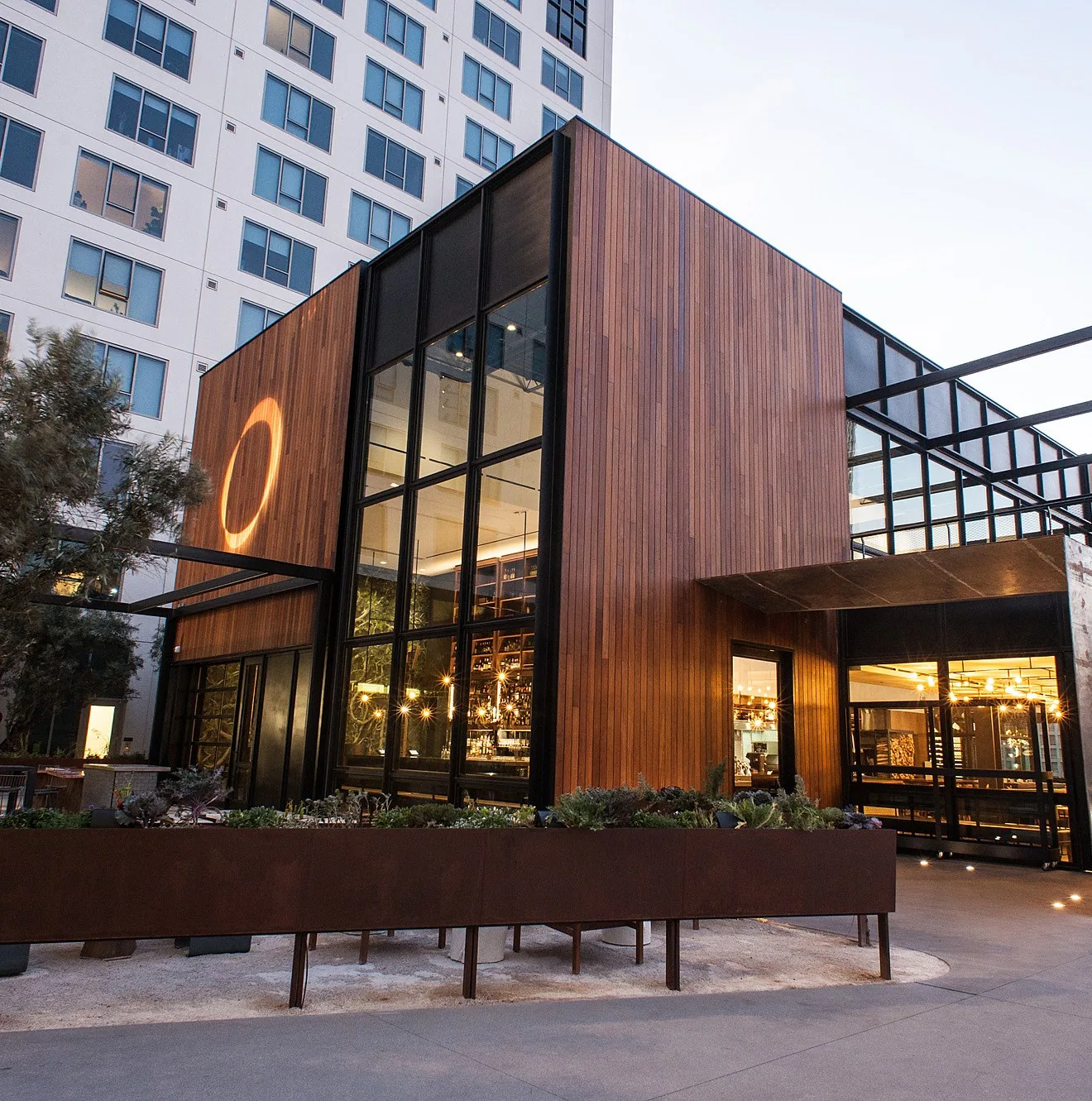
Restaurant Roofing
Restaurant roof work has to account for kitchen exhaust, rooftop refrigeration, dining hours, deliveries, and the people responsible for a property that may be part of a larger center. A reported odor, drip, or ceiling mark should be logged with time and location, then assessed against the roof details rather than assigned a cause from inside the dining room. We review available plans, previous service records, access rules, and the visible assembly before describing repairs. College Station and Bryan include a mix of restaurants, retail, hospitality, and mixed-use property, so the inspection process should be tailored to the individual building and its operating schedule. If a kitchen remodel changed exhaust equipment or duct routing, ask for the updated plan and identify which contractor is responsible for equipment connections before roof work is assigned.

Coordinate with the restaurant contact
Confirm who will open the roof access point, which areas are restricted, and when ladders, lifts, or materials can be staged. Kitchen exhaust and rooftop equipment may need an operator familiar with the building to identify units and service paths. We ask about delivery and service windows so field work can be planned with the property manager. A scheduled visit should not interrupt food preparation or guest access without agreement. If part of the roof cannot be reached, that limitation belongs in the closeout. Access planning helps the team collect useful observations while respecting site safety and operating procedures. Restaurant managers can set guest, kitchen, and delivery constraints; the owner or landlord can confirm who authorizes roof access and repairs.
At a tenant location, confirm which party manages the roof, who approves work in shared areas, and whether the center requires advance notice or a certificate before contractor access. The restaurant contact can identify operational limits, while the property manager coordinates the roof and common-area requirements. Agree on a point of contact for changes before the inspection begins.
Inspect penetrations and transitions
Exhaust hoods, duct curbs, refrigerant lines, conduit, vents, and walls create interfaces that need to be inspected as part of the full roof assembly. We document accessible flashing, seams, sealant conditions, edge metal, previous patches, and drainage near those details. A leak above a kitchen or dining area may appear away from the actual entry point, so report locations are one piece of the assessment. A commercial roof repair scope should state which detail is being addressed and what additional access or testing remains necessary. Link each interior report to its date and space, then note whether the field visit confirmed a roof detail nearby or found that more investigation is necessary.
Separate maintenance from repair
Before inspection, identify the hood exhaust curbs and nearby membrane transitions, then review them alongside drainage, penetrations, and other accessible roof details. Visible debris or a blocked inlet can be recorded as maintenance, while damaged flashing or a failed seam may require a repair scope. For a drain and scupper review, note which elements were accessible and whether observed water was standing or moving. Do not use a hose or perform testing without site authorization and a defined method. Document drain and scupper observations with locations and photographs, particularly where a canopy or addition changes the way roof sections meet.
Review the installed assembly first
A restaurant may occupy a freestanding building, a tenant bay, a historic storefront, or a newer retail shell. The roof may therefore be metal, membrane, modified bitumen, or a combination of materials. We identify visible layers and prior repairs before choosing how to address a detail. Work near exhaust ducts or refrigeration lines must be coordinated with equipment owners where movement or access is involved. Coatings or recover systems should only be considered after reviewing compatibility, drainage, attachment, and substrate condition. A planned preventive maintenance visit can document changes over time without promising that future leaks will not occur. Different restaurant buildings may use a tenant-bay roof, standalone building, or a shared retail-center system; verify the ownership and maintenance boundary before pricing.
Plan a post-storm roof review
In 2019, an EF-2 tornado east of Bryan damaged four commercial buildings and warehouses. An earlier College Station tornado damaged businesses and an apartment complex along Harvey Mitchell Parkway. After a reported storm, record the date, affected roof zones, temporary measures, and interior symptoms, then inspect accessible edges and transitions. College Station’s July normals show monthly mean highs of 95.4°F, with daily averages rising from 94°F to 97°F. We can coordinate roof access with the property contact and document current conditions before recommending repair or replacement.
Coordinate service in a year-round hospitality market
Historic Northgate includes restaurants, retail, hospitality, and mixed-use development active throughout the year. College Station's retail and service trade reaches customers beyond city limits. When scheduling a restaurant roof visit, confirm who represents the operator and property owner, which service windows are available, and where the crew can stage.
Share the roof map, lease or ownership responsibilities, equipment access rules, and maintenance history with the field contact. These details help us plan around guests and food service while keeping roof observations linked to the correct property record.
Keep the follow-up clear
A restaurant roof closeout should identify the inspected area, equipment and penetrations reviewed, visible material, photographs, work performed, and any unresolved condition. Share the findings through the property contact so kitchen and tenant teams receive the appropriate operational details. Record whether a follow-up needs additional access, testing, or a separate repair authorization. For a multi-location operator, the retail and restaurant chain guidance can help standardize records while keeping each roof’s history distinct. Owners can use the hospitality and shopping center roofing pages to plan access at properties with different operating needs. At turnover, give the manager a concise record of what was repaired, what remains open, and who should authorize the next inspection or test. Property contacts in Bryan can share the approved roof access and scheduling details before a visit.
We leave dated photographs, completed tasks, and the next approved action for each roof zone.
For phased repairs, identify the completed roof zones, temporary conditions, remaining transitions, and the next review date. Store managers can use that update to coordinate kitchen service and deliveries, while ownership retains the scope and authorization record. Keep the final note concise enough to use during a later shift handoff.
Commercial Roofing Questions
What should be shared before a restaurant roof visit?
Provide roof plans, leak dates and locations, equipment and exhaust details, access rules, previous repairs, and acceptable work windows. The property manager can confirm who owns the access and repair decisions.
Can the roof be inspected during service hours?
The property contact should confirm safe access, staging, and operational limits. We agree on the work sequence with the manager and arrange additional access or testing only when the owner approves a defined method.
Does a ceiling stain identify a failed roof detail?
No. Water can travel before appearing inside, so we review the roof assembly and reported location together. Equipment service history or a vendor’s observations may help focus the inspection.
Are exhaust and refrigeration areas part of the review?
We can document accessible curbs, flashing, seams, and nearby drainage. Coordinate equipment access with the responsible operator and identify the roof section in the work order.
What goes in the maintenance record?
Record the inspected areas, observed conditions, photographs, work performed, access limitations, and person responsible for follow-up. The manager can then route the next step through the appropriate property contact.
Plan a restaurant roof inspection
Send the roof plan, reported leak locations, kitchen exhaust and equipment details, prior work, and preferred access windows. We can coordinate a field review with the property contact.
Related Roofing Work
Request a Roof Assessment
Tell us about the building, the roof and what you are seeing. We look at leaks, storm and wind damage, aging membranes and planned replacements on commercial properties across College Station, Bryan and Brazos County.