
Commercial Roofing along FM 2818 / Harvey Mitchell Parkway, College Station, TX
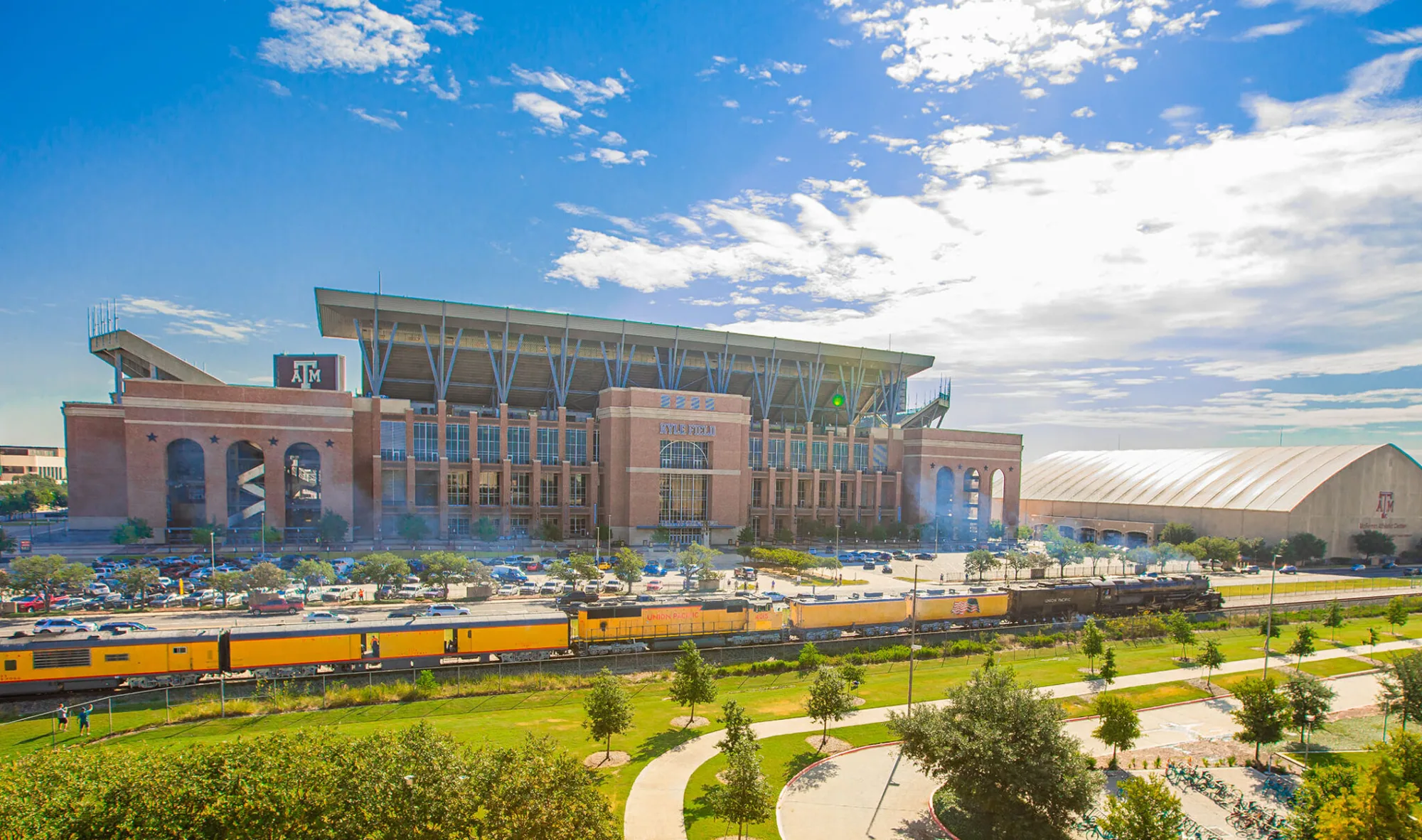
Commercial Roofing along FM 2818 / Harvey Mitchell Parkway, College Station, TX
A commercial roof along FM 2818 / Harvey Mitchell Parkway, College Station, TX sits within a corridor connecting the Bryan and College Station urban area between two SH 6 junctions. The route serves both commercial and residential land uses, so roof work may need to account for different access conditions and occupants along the way. We begin with the property’s actual use, roof assembly, and operating schedule, then set the inspection route and work boundary around field evidence.
The corridor provides access to multiple destinations and has right-of-way sufficient for a freeway-level facility. That transportation role makes it useful to coordinate visits and deliveries with the property contact, while the roof scope still depends on each building’s condition. A commercial roof inspection can document seams, flashing, drainage, and edge details before the owner decides which work can be scheduled.
Set access before the roof walk
A corridor property may have public entrances, service drives, residential access, or delivery periods that affect where a crew can stage. We confirm the right contact, safe roof access, work hours, and any areas where pedestrians or tenants need protection. A route plan also helps the field team cover each roof zone in sequence rather than returning to the same section while another area remains unchecked.
FM 2818 links commercial and residential land uses across roughly 20 miles and connects with SH 6 at both ends of the Bryan and College Station core. That broad geography can help a property manager coordinate multiple visits, but it does not make roof assemblies alike. We record the material, visible repairs, equipment penetrations, outlet locations, and access limits for each property. When a portfolio crosses the city line, a separate Bryan roof review can keep the findings tied to its own building history.
Before mobilization, the manager can provide roof plans, leak locations, past work orders, and construction or tenant schedules. We use those details to select a useful inspection window and determine whether a second visit is needed for testing or areas that cannot be reached safely.
Trace water through each roof zone
Water can move beneath a membrane before it appears inside, so the room with a stain does not necessarily sit below the roof opening. We compare the report with the roof layout and inspect seams, curbs, wall transitions, penetrations, and drainage details. Photos should show the detail and nearby roof area so the owner can identify it later without relying on a written description alone.
At a drain, we look for debris, a displaced strainer, a damaged flange, and signs that water has remained on the surface. A blocked outlet may call for maintenance; a failed membrane transition or persistent low area can require a construction scope. We distinguish those findings in the report and can coordinate drain and scupper repair with adjacent flashing work.
If moisture testing is appropriate, we explain which roof areas should be tested and what result could change the repair boundary. A localized opening over dry, stable materials may be repaired in place. Wet insulation, repeated failures, or loose attachment can shift the decision toward a broader correction, with the reason documented for the capital record.
Use corridor storm history with care
A tornado damaged businesses and an apartment complex along Harvey Mitchell Parkway in an earlier College Station event. That history makes the corridor a sensible place to include in regional storm planning, but it does not show that a particular property has damage. We inspect the reported roof, identify visible openings or displaced edge details, and separate observed conditions from items that need moisture verification.
After severe weather, perimeter attachment, coping joints, curbs, and roof-to-wall transitions deserve a close look alongside the membrane field. A lifted edge or open flashing may admit water even where the main surface appears intact. We photograph the condition before temporary protection and record where permanent repairs must follow. A storm damage response can address an opening while preserving a separate scope for work that can wait for full review.
Weather records help explain why an inspection was scheduled; the building’s own evidence determines the recommendation. We keep event timing, photos, test results, and completed work in the property record so a future reviewer can understand the sequence.
Choose a repair window or larger scope
Repair timing depends on water entry, interior use, access, and the condition of the surrounding assembly. We identify which area needs immediate protection, which correction can be coordinated with a normal work window, and which finding merits testing before the owner commits to a larger scope. This gives the property team a sequence that reflects consequence rather than treating every observation as equally urgent.
Where the existing roof is dry and secure, a recover may be considered if the assembly and applicable requirements allow it. Repeated leakage, wet insulation, weak attachment, or incompatible layers may make removal and replacement the better path. We compare material, disposal, drainage, edge work, and equipment coordination, then build a replacement scope around the conditions found at the property.
Project cost and schedule are shaped by roof area, layer count, substrate, flashing, staging, equipment access, and any tenant or trade coordination. We state the assumptions that could change the work so the owner can review proposals on a consistent basis. If the roof only needs a localized correction, commercial roof repair can preserve the remaining serviceable assembly.
Keep the corridor record actionable
For a property team overseeing more than one location, the useful record is a set of building-specific findings, not a general label for the corridor. We use a marked plan or aerial, location photographs, repair status, and notes about access. Any untested or inaccessible area remains visible as an open question rather than being blended into the inspected portion.
FM 2818 connects destinations between Bryan and College Station, but the street network is only the scheduling context. The roof record should identify the assembly, condition, and work history for each individual property. We can add follow-up dates for repair candidates and compare the next visit with the prior notes. A roof condition report can make those observations ready for maintenance and capital discussions.
Share the operating calendar, roof plans, access requirements, leak records, and any upcoming work that may change a penetration or route. We can coordinate the field review and prepare next steps that fit the property’s use and condition. For a separate site inside the city, a College Station roof review keeps its findings with its own asset record.
Commercial Roofing Questions
What does the FM 2818 corridor route include?
The review is tied to the commercial or residential property and roof selected for service. We confirm the address for dispatch and keep the recommendation specific to the building’s assembly and field condition.
Can storm history confirm that this roof was damaged?
No. It provides context for scheduling an inspection. We document the conditions visible at the property and identify any test needed before assigning a repair boundary.
How are drainage issues separated from roof leaks?
We inspect the outlet, membrane transition, slope, and nearby interior reports. Debris may call for clearing, while a failed flange or persistent low area can require a repair scope.
What records help prepare for a site visit?
A roof plan, prior repair scopes, leak dates, access instructions, and operating limits help us focus the inspection window. We also note any trade work that may have changed the roof.
When might a repair become a replacement project?
Wet insulation, recurring failures across several roof details, or weak attachment may support a larger scope. We document the findings and compare repair, recover, and removal options against the building’s needs.
Coordinate an FM 2818 roof review
Share the roof history, operating schedule, access needs, and any current leak locations. We will plan a field visit and return a clear sequence for repairs, testing, or capital work.
Related Roofing Work
Request a Roof Assessment
Tell us about the building, the roof and what you are seeing. We look at leaks, storm and wind damage, aging membranes and planned replacements on commercial properties across College Station, Bryan and Brazos County.