Commercial Roofing in Northeast Gateway, College Station, TX
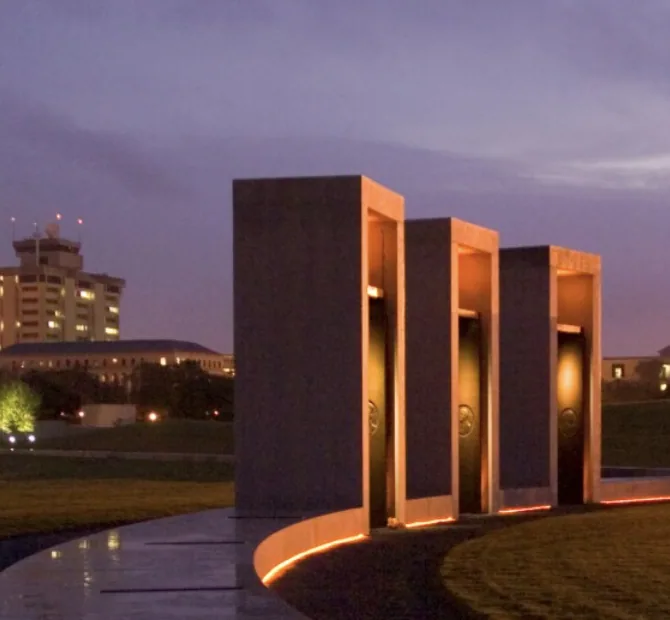
Northeast Gateway
Texas Avenue and University Drive define the broad Northeast Gateway district in College Station, TX, where existing commercial uses sit within a plan for coordinated mixed-use development. Roof work in that setting may need to fit current business operations while leaving room for renovation or added uses. We review the property and project stage first, then connect the roof assembly, drainage path, access rules, and repair history to a sequence the owner can carry forward.
The planning area is intended to complement the nearby hospitality corridor and Eastgate area. Those district relationships help frame a wider property plan, but they do not establish the condition or roof type of an individual building. A commercial roof inspection begins with the assembly and visible details on the property, documenting what is known and where further testing could change the scope.
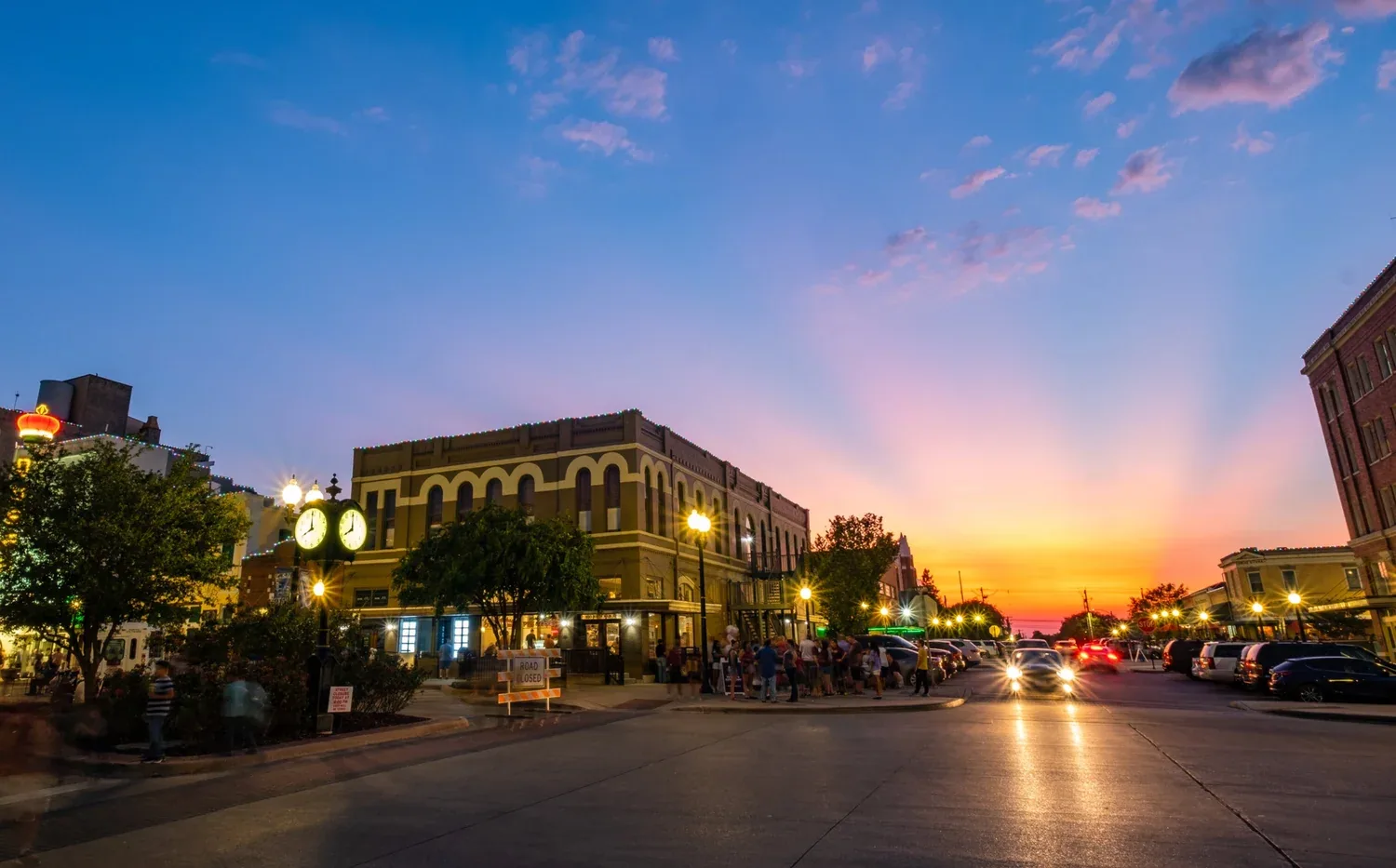
Keep the district plan and roof scope aligned
Vertical and horizontal mixed-use planning can bring different building functions into a coordinated area. For the roof team, the key question is which property or phase is under review and what must remain operational during the work. We check roof plans, tenant schedules, and access routes, then identify the roof zones that belong to the current scope. A broad district boundary is useful for planning; construction limits still need to be marked on the building.
When a renovation changes equipment, drainage, or penetrations, we coordinate the roof details with the responsible trades. Curbs and supports need compatible flashing, while new service routes should not block drains or create an unprotected path across the membrane. We document who completes each transition and what inspection closes the work. This handoff prevents the project file from treating a temporary seal as a finished roof detail.
Texas Avenue and University Drive are distinct corridors that meet within the planned area. A roof visit can use that orientation for dispatch, but the condition report identifies the property by its own roof zones and details. A Greater Northgate roof review can be managed as a separate district assignment without combining findings.
Inspect where assemblies change
Mixed-use renovations often add equipment, parapet work, or transitions between roof sections. We inspect seams, wall flashings, curb corners, penetrations, and tie-ins to older materials. A repair at one transition may solve an opening while nearby seams remain serviceable; if deterioration extends beyond that detail, we mark the larger boundary and explain why it matters. On a roof with several additions, we map each tie-in before pricing repair, separating one renovation seam from wear that continues across the larger surface.
Drainage should be reviewed before rooftop equipment is relocated. We check drains, overflows, scuppers, and low points, then compare their flow paths with planned supports or service corridors. A blocked outlet can be cleared as maintenance, while a damaged flange or membrane connection calls for repair. We can prepare drain and scupper work with the surrounding roof detail included in the same field record.
College Station’s July mean daily high is about 95°F. Heat exposure gives the manager a reason to track surface changes and movement at seams or flashing during inspection cycles, particularly after construction activity. We use that context to plan visits, then base repair timing on observed materials and conditions.
Use storm observations for the property
College Station measured an 85 mph wind gust during the June 2023 severe thunderstorm. That event is useful context when setting a post-storm inspection, while the property’s roof determines whether anything needs repair. We check the perimeter, edge attachment, coping joints, rooftop curbs, and exposed membrane transitions, then photograph any displaced component in place.
A lifted edge can create an opening even if the central roof field remains flat. We identify whether temporary protection is needed, record the location, and set a permanent repair scope after checking the connected materials. For a property affected by a storm, storm damage response can separate urgent stabilization from work that fits the next planned window.
For other events, the same field discipline applies: date the report, identify the roof area inspected, and state which observations are confirmed. We do not carry an event note from one property to another. This keeps maintenance and insurance files tied to the building owner’s own evidence.
Set an order for repair or renewal
Repair is appropriate when a confirmed defect is local and the surrounding assembly remains serviceable. Wet insulation, recurring leakage across multiple areas, poor attachment, or incompatible roof layers may support a broader capital scope. We show how each observation affects the recommended work and identify any test that could change the repair boundary before funds are committed.
A recover depends on documented assembly conditions, including moisture, attachment, edge height, and drainage limits. When removal is needed, the owner can address insulation, drainage, flashing, and equipment interfaces in one project. The estimate should account for roof area, substrate, number of layers, staging, disposal, access, and coordination with tenants or other trades. A commercial replacement scope can define those items and the work sequence. We also note whether occupied areas below each phase need protection or advance access coordination.
Some owners may schedule repairs first while a redevelopment or renovation is still being designed. We can note short-term protection separately from long-term roof decisions, then update the property record as plans become firm. For work in another College Station area, a citywide roof review can be scheduled with its own building details and access window.
Carry findings into the next phase
A useful roof record links each photograph to a marked location, describes the observed condition, and names the next action. We note what was repaired, what remains under observation, and any testing that could not be completed. When the property changes hands or a new phase begins, those notes help the next manager understand the decision without repeating the entire investigation.
The district plan supports existing commercial uses while coordinating future development. The roof file should reflect that timeline without assuming a project will change a specific building. We can organize observations by roof section and carry forward access requirements, work dates, and trade handoffs. A capital roof plan can align condition priorities with approved project timing.
Share drawings, repair history, planned equipment work, and the operating calendar. We will inspect the property and prepare next steps that respect current use and the decisions already made for the roof assembly.
Commercial Roofing Questions
Does the Northeast Gateway plan set a roof specification?
No. The district plan describes coordinated mixed-use development and support for existing commercial uses. Roof system selection depends on the property design, assembly, drainage, and maintenance requirements.
Can roof work proceed during a renovation?
Yes, with the property team’s schedule and trade sequence established. We identify roof areas that will be opened, protected, or revisited so each transition receives a final inspection.
What should be checked where an old roof meets new work?
We review the tie-in, membrane compatibility, flashing height, water path, and attachment at the transition. Photos and scope notes identify which trade completes each part.
Does the 2023 wind event mean a roof needs repair?
No. It can inform inspection timing, but the field condition drives the recommendation. We document any displaced edge or opening observed on the property.
How can repairs fit a longer redevelopment schedule?
We separate immediate water protection from work that can align with a future phase. Condition notes, access limits, and unresolved tests help the owner set a realistic capital sequence.
Coordinate a Northeast Gateway roof review
Share the property plans, roof history, work schedule, and access needs. We can inspect current conditions and prepare a repair or capital sequence for the next project phase.
Related Roofing Work
Request a Roof Assessment
Tell us about the building, the roof and what you are seeing. We look at leaks, storm and wind damage, aging membranes and planned replacements on commercial properties across College Station, Bryan and Brazos County.