
Commercial Skylight and Roof Penetration Flashing in College Station, TX
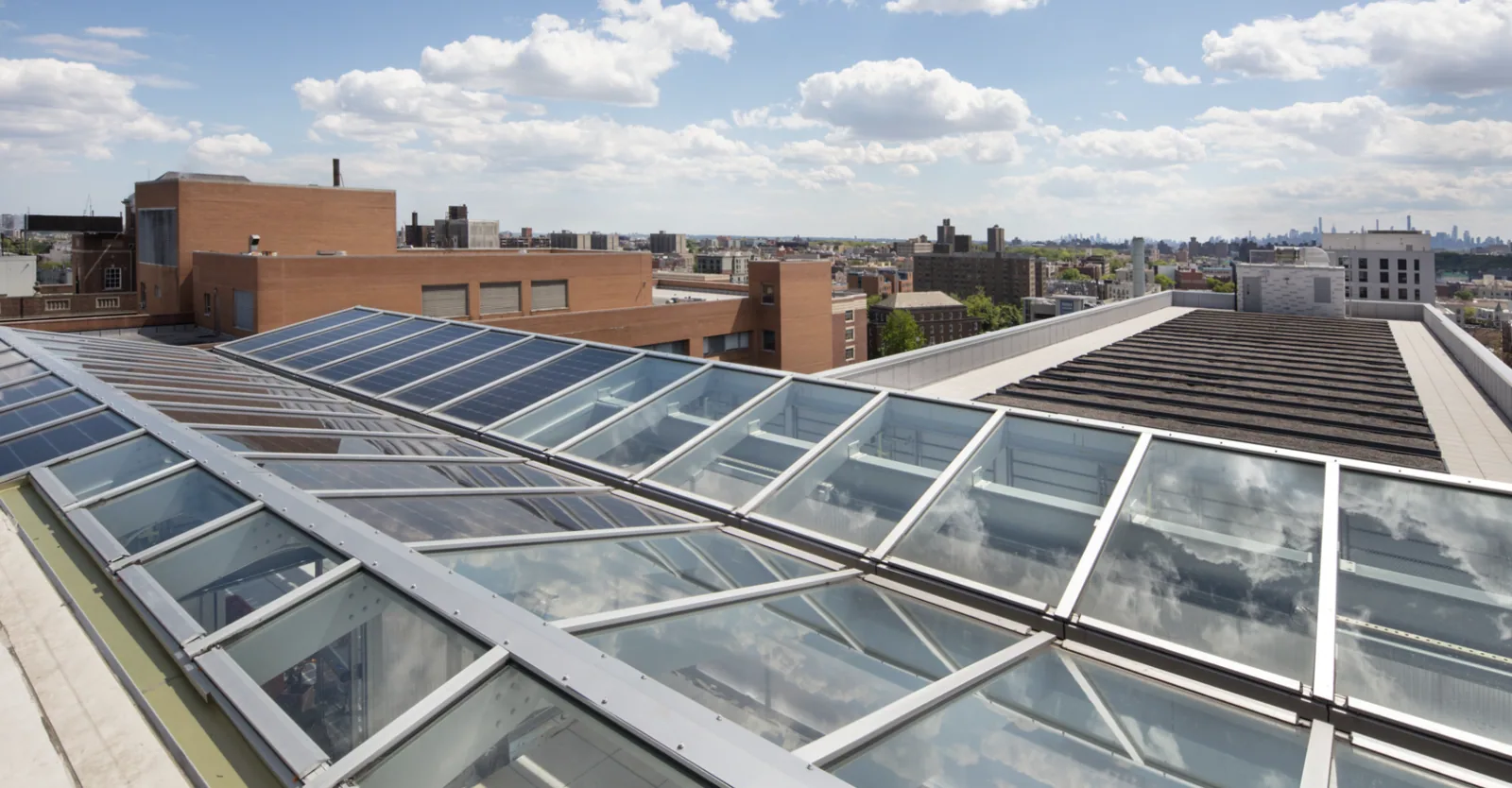
Commercial Skylight and Roof Penetration Flashing
A skylight curb, vent, or pipe penetration interrupts the roof surface and gives water another detail to cross. At an occupied commercial building in College Station, TX, we inspect the opening, curb base, flashing, nearby seams, and drainage before deciding whether a repair is localized or part of a larger condition. The review records what material is present, how the detail meets the field membrane or metal panels, and whether equipment or access restrictions affect the work. That gives the asset manager a defined repair candidate and a plan for keeping the area below protected while the opening is corrected.

Check the opening before sealing it
We start by identifying the penetration type and the roof material around it. A skylight curb may have flashing at multiple sides and corners, while a pipe boot, conduit, or equipment support has a smaller transition that can move as the roof assembly changes temperature. We look for open corners, split boots, loose counterflashing, cracks, incompatible patch material, or sealant that no longer bridges the joint. Photographs show the defect with enough roof context to locate it during a later inspection. If a curb is concealed or the roof material cannot be confirmed, we record what additional access would clarify the detail.
Water can enter at a penetration and travel before appearing on a ceiling, so an interior mark alone does not define the repair boundary. We compare the reported location with roof slope, adjacent seams, drains, and other openings. A nearby equipment curb or wall transition may be a separate repair candidate. We identify the condition at each detail rather than applying sealant broadly to every opening. When more than one roof area is involved, a field inspection can label the penetrations and record which ones need immediate work, monitoring, or testing.
Trace water at a curb or skylight
A curb flashing detail has to carry the roof membrane up and around the raised opening without leaving a weak corner or loose termination. We examine the membrane tie-in, curb base, counterflashing, fasteners, sealant, and the transition back to the field. At a skylight, we also look for damage to the curb or frame that could affect the roof connection. We distinguish roof flashing from glazing or frame work so a roofing scope does not imply that a skylight component outside the assembly has been replaced.
Roofs here experience average July highs near 94°F at the month's start and 97°F near its end, while the month's normal mean high is 95.4°F. That local heat is relevant when reviewing aging sealant, membrane movement, and exposure around rooftop openings, but it does not establish a defect on a particular building. We inspect the material and connection directly. If moisture may extend beneath the surface, an infrared survey or test opening can help determine whether the repair should include concealed materials.
Match flashing to the roof system
The repair method depends on the membrane and the geometry of the opening. A thermoplastic roof may need a welded flashing detail with a prepared surface; EPDM calls for compatible membrane and adhesive treatment; modified bitumen and built-up roofs require their own transitions and surfacing. Metal roofing has panel and curb connections that can move, so fasteners, closures, and counterflashing need to be considered together. We identify the assembly where it can be verified, then specify material and preparation that fit that system rather than covering the opening with a generic patch.
A pipe boot that has split may need replacement and a secure tie-in to sound roof material. A curb corner with separated flashing may call for removal and rebuilding of that corner instead of adding sealant above the gap. We record the patch limits, the opening affected, and any neighboring condition that remains outside the work. If recurring leaks involve multiple curbs or penetrations, a leak trace can connect interior reports with roof details, while a system review helps keep material choices consistent with the assembly.
Account for equipment and occupied rooms
Penetration work can require access beside rooftop units, power conduits, or service paths used by another trade. We confirm the roof route, equipment clearance, authorized shutdowns, escort needs, and any areas that cannot be entered during occupied hours. If a skylight sits above a sensitive room, the property contact can identify what needs protection below and when the work area can be released. We plan the sequence around those controls and note whether the repair requires a return visit under suitable surface conditions.
A roof opening can sit above laboratory, clinical, office, retail, hospitality, production, or freight uses, each with distinct access routines. We confirm the relevant routine before scheduling work at the curb or glazing. FM 2818, also known as Harvey Mitchell Parkway, connects destinations through the urban area and serves commercial and residential uses. A facility close to that corridor may need staging coordinated with a loading route or occupied entry. We confirm the approved path with the site contact and keep those access notes with the work record rather than assuming a roof opening can be reached without affecting operations.
Leave the next inspection a clear baseline
Closeout notes identify the penetration, roof section, material observed, repair boundary, and any condition that still needs review. Photographs should show the curb or boot after work and preserve enough context to locate it from the roof plan. We record whether interior reports were part of the inspection and whether concealed material was tested or remained unknown. If the same opening appears in earlier repair notes, the asset manager can compare the new detail with its condition history and decide whether monitoring or broader work belongs in the next capital cycle. A maintenance interval can focus on openings that have shown movement or recurring water entry, while leaving sound details on the regular review list. The report names the trigger for a follow-up rather than prescribing the same visit frequency for every curb.
The April 2021 event brought hail measuring one to 2.75 inches across the two-city area, but regional weather cannot establish damage to a particular skylight or penetration. We use the reported date as context and base the recommendation on the roof and flashing condition at the building. A drainage review can address nearby outlets when water collects around the opening. A maintenance visit can carry forward recurring detail checks, and a condition report can preserve the photographs and follow-up items.
Commercial Roofing Questions
Why can a skylight leak after the glazing was serviced?
The roof curb and flashing are separate from the skylight frame. We inspect both visible transitions and identify whether the condition is in the roof assembly or needs another trade's review.
Can you seal around every roof penetration during one visit?
We inspect each opening and record its material and condition before setting scope. Some details may need a compatible repair, while others may be sound or require a separate test.
How do you choose a repair for a pipe boot?
We identify the roof assembly, boot condition, movement, and surrounding material. The repair has to tie into sound compatible material and preserve the intended water path.
What access details should the property team provide?
Share roof access rules, equipment clearances, occupied hours, restricted areas, and any shutdown or escort requirement. We use them to plan a safe route to the opening.
Will a flashing repair include concealed wet insulation?
Not unless the condition is confirmed and included in the scope. We identify when a test opening or moisture survey is needed and record any concealed area that remains unknown.
Review a roof opening or curb
Send roof plans, leak locations, prior flashing repairs, occupied hours, and equipment-access requirements. We can inspect the penetration, document the assembly, and define a compatible repair boundary.
Related Roofing Work
Request a Roof Assessment
Tell us about the building, the roof and what you are seeing. We look at leaks, storm and wind damage, aging membranes and planned replacements on commercial properties across College Station, Bryan and Brazos County.