
Johns Manville Commercial Roofing in College Station, TX
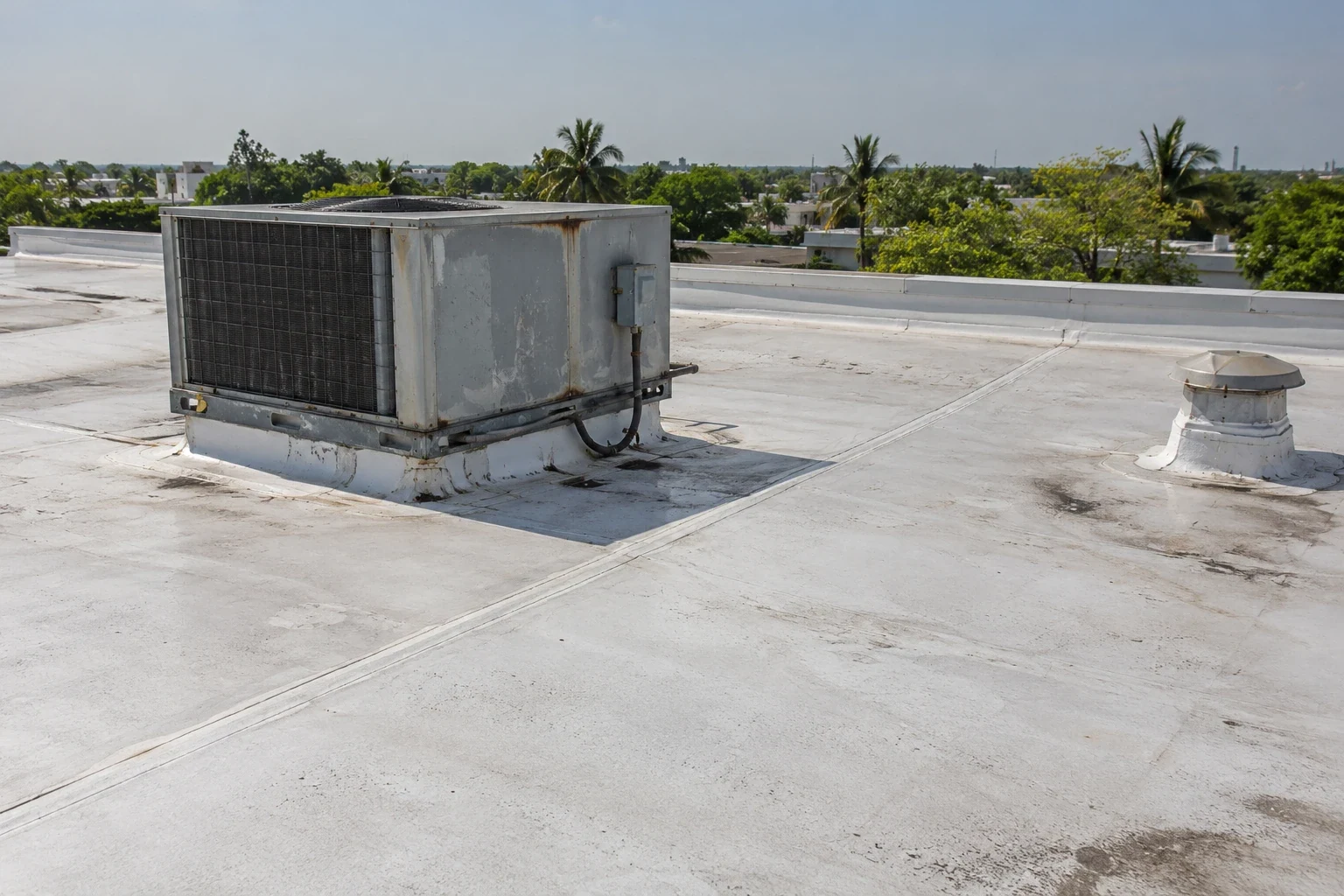
Johns Manville Commercial Roofing
A College Station roof review begins with the installed assembly, equipment locations, and the access rules the property owner provides. The owner identifies active operations so survey timing fits the building rather than a broad regional category.
Summer heat and severe weather make inspection timing and maintenance history relevant. In June 2023, a destructive College Station storm produced a recorded gust of 85 mph. We use that event as a date to compare with service logs and photographs, not as proof of a defect. The roof’s observed condition, assembly, and operating requirements guide the proposed work.
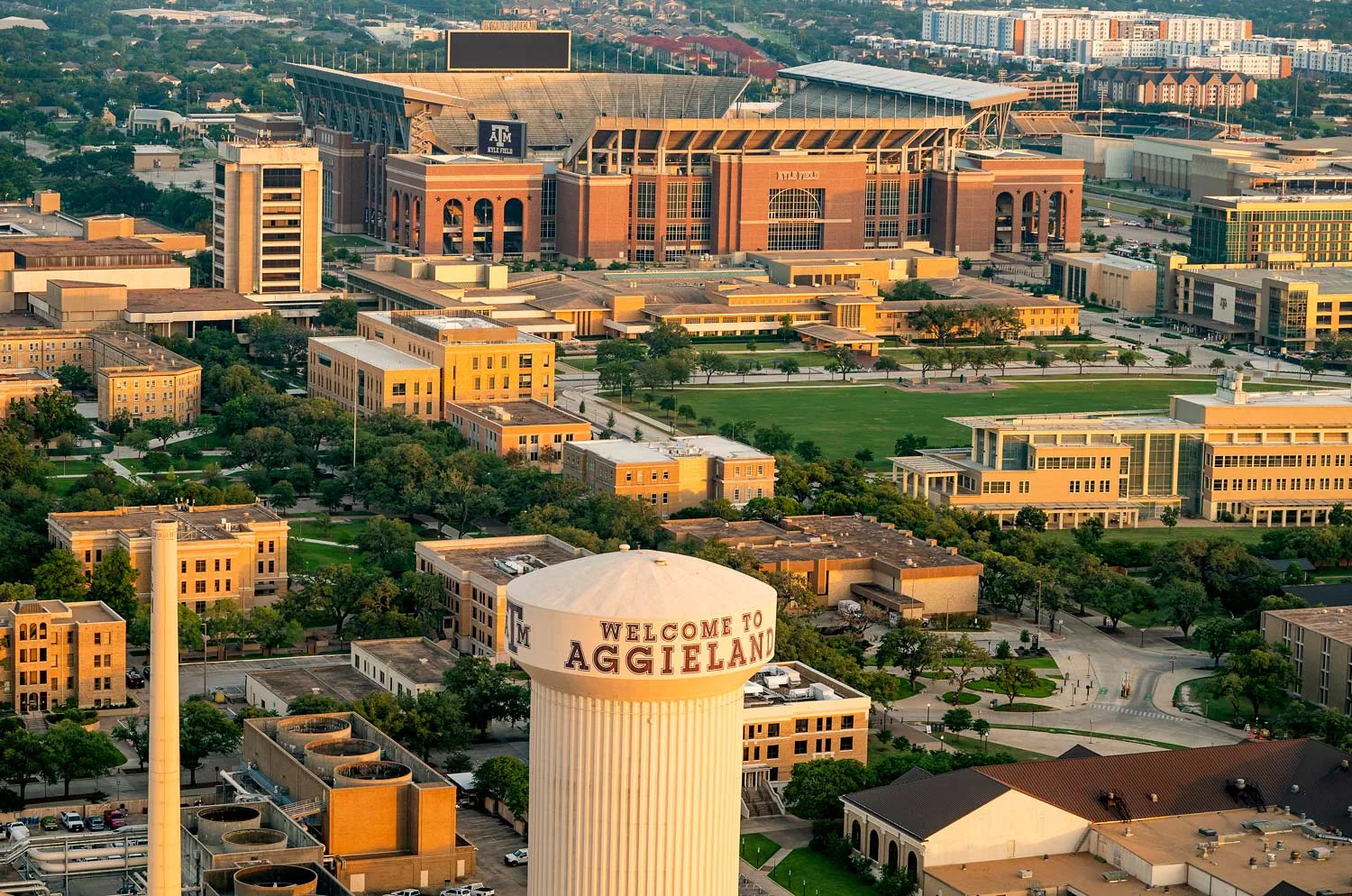
Build the scope from the submittal
Johns Manville’s commercial portfolio includes TPO, PVC, EPDM, SBS and APP modified bitumen, built-up roofing, insulation, and liquid-applied products. The design team should identify the exact system family and components in the project documents. We compare the stated membrane with substrate, attachment, cover board, insulation, air or vapor control, perimeter securement, and flashing details. A complete schedule matters because a product name by itself does not tell a facilities manager what work will occur on the roof.
For an existing JM assembly, we verify the roof layers and repair history before prescribing a new product. A field survey can distinguish an intact membrane with localized detail failures from a roof with widespread moisture, loose attachment, or deck concerns. We record the roof zones, observed conditions, and any areas that require testing. If the project file and field condition conflict, the estimate should show the question and its effect on the proposed scope instead of quietly choosing one version.
The assembly should match the building’s use. Equipment heat, exhaust, grease, chemical handling, frequent service traffic, interior humidity, and access restrictions can change the product or detail decision. For a Johns Manville EPDM roof, we examine seams, terminations, and flashing with the system’s joining methods in mind. A TPO comparison or a PVC option may address different conditions, but the selection still depends on the specification and field evidence.
Match the roof family to the property
Single-ply systems and multi-ply asphaltic roofs call for different installation planning. With TPO or PVC, the field welds, cover board, attachment, perimeter, and penetration work must form a compatible assembly. EPDM uses its own seam and flashing methods. Modified bitumen and built-up systems rely on layered construction, so the crew must sequence the base, interply, surfacing, and tie-ins without leaving transitions exposed. A built-up roof review should record the surfacing and visible ply condition rather than guessing at concealed layers.
Product recommendations follow the assembly and conditions observed at the property. We ask the owner to identify operating areas and restricted work windows, then plan a survey and proposal around those conditions. Where multiple properties share a portfolio, each scope retains its own access notes, assembly, and maintenance history.
Plan for heat and storm follow-up
College Station’s documented 85 mph gust during the June 2023 severe thunderstorm provides a useful date for reviewing edge metal, perimeter attachment, wall terminations, and equipment restraint. We inspect those details in place and photograph any movement or opening. If the property has no recorded issue from that event, we do not invent one. The same method applies after hail or heavy rain: review dated records, then describe the current roof condition on its own evidence.
Heat affects work sequencing as well as material handling. We check the actual surface and air conditions before applying adhesives, welding thermoplastics, or installing liquid materials. Manufacturer instructions govern substrate preparation, application conditions, and cure requirements. Crews divide the area into workable zones, maintain a dry-in point, and protect completed details from later trade traffic. That sequence is especially useful where a facility cannot release the entire roof in one shift.
Drainage and roof penetrations often turn an otherwise simple replacement into a detailed project. We inspect drain bowls, strainers, scuppers, sumps, and low areas, then note whether cleaning, repair, or slope correction is indicated. Curb heights and pipe flashings must accommodate the selected assembly. A drainage scope can separate outlet work from membrane replacement and show where a trade’s work must be coordinated.
Coordinate construction with building work
Work on an occupied property requires a roof-zone sequence that accounts for people and operations below. We confirm hatch access, escorts, lift locations, delivery hours, noise limits, restricted rooms, and any equipment shutdown. Before removing material, the field lead identifies the area that can be dried in before the shift ends. If moisture or deck damage changes the plan, the owner receives the location, the evidence, and the decision needed to proceed.
Johns Manville system details and project submittals should be on hand for the crew. We match the installed products with the approved documents and keep substitutions visible for review. Around curbs or wall transitions, the proposal needs to define who handles sheet-metal changes, HVAC adjustments, and final flashing. A replacement plan that assigns those details can reduce open questions during mobilization.
Compare the whole system before approval
Repair, recover, and tear-off are different scopes with different evidence needs. For repair, we define the failed detail and the compatible patch method. For recover, we test moisture and attachment, verify substrate and height transitions, and confirm that the proposed assembly can drain properly. If the layers are wet or unstable, removal may be required. The estimate should separate known work from a condition allowance and describe how testing could change quantities.
When several brands are under consideration, compare the same roof area, deck, insulation value, attachment, edge treatment, flashings, drainage changes, protection below, and scheduling assumptions. A Carlisle SynTec system or Holcim Elevate proposal can be assessed against the Johns Manville submittal using those common criteria. The result should make clear what is different in material, preparation, details, or maintenance, rather than ranking the manufacturer in general.
Our inspection and condition report can put the field observations into a useful asset file. We identify the assembly where confirmed, mark repair areas on a plan, and state what remains unknown. That helps the manager decide whether a focused repair, additional testing, or a funded replacement review belongs in the current operating plan.
If a portfolio includes manufacturing property in Bryan and projects in Navasota, keep each site’s permit, plan-review, and inspection records with its own roof assembly and repair history. Confirm those project requirements before selecting the product family or finalizing the submittal. That keeps the proposed system aligned with the building and its approval process.
Commercial Roofing Questions
What should be included in a Johns Manville roof specification?
The documents should identify the system family, membrane, insulation, cover board, attachment, perimeter, flashings, drains, and approved details. We compare those requirements with the existing deck and roof conditions, then flag missing information before the estimate is treated as complete.
Can a built-up or modified bitumen roof receive a new membrane?
Possibly, if the assembly is dry, stable, compatible, and suitable for the new loads and transitions. We inspect the surface, verify the layers where needed, and test areas that cannot be evaluated from above. Wet or weak material can require removal rather than an overlay.
Does the College Station wind record establish a roof problem?
It gives the property team a date to compare with maintenance calls and photographs. It does not establish damage at one building. We inspect the edge, field, flashings, equipment, and interior reports, then record conditions we can observe.
How should we compare two manufacturer bids?
Line up the roof area, preparation, insulation, attachment, flashings, edge work, drain changes, access, and interior protection. We identify any difference in product, method, or assumption so the asset manager can compare equivalent scopes.
What happens if testing finds moisture beneath the membrane?
We map the affected area, confirm how far the condition extends, and explain whether it changes repair, recover, or tear-off options. The estimate can separate the known scope from an allowance and show what approval is needed before concealed material is removed.
Review the Johns Manville scope
Send product submittals, roof plans, repair history, equipment restrictions, and operating hours. We can inspect the assembly and prepare a field-based recommendation for repair, testing, or replacement.
Related Roofing Work
Request a Roof Assessment
Tell us about the building, the roof and what you are seeing. We look at leaks, storm and wind damage, aging membranes and planned replacements on commercial properties across College Station, Bryan and Brazos County.