
Big-Box Retail Roofing in College Station, TX
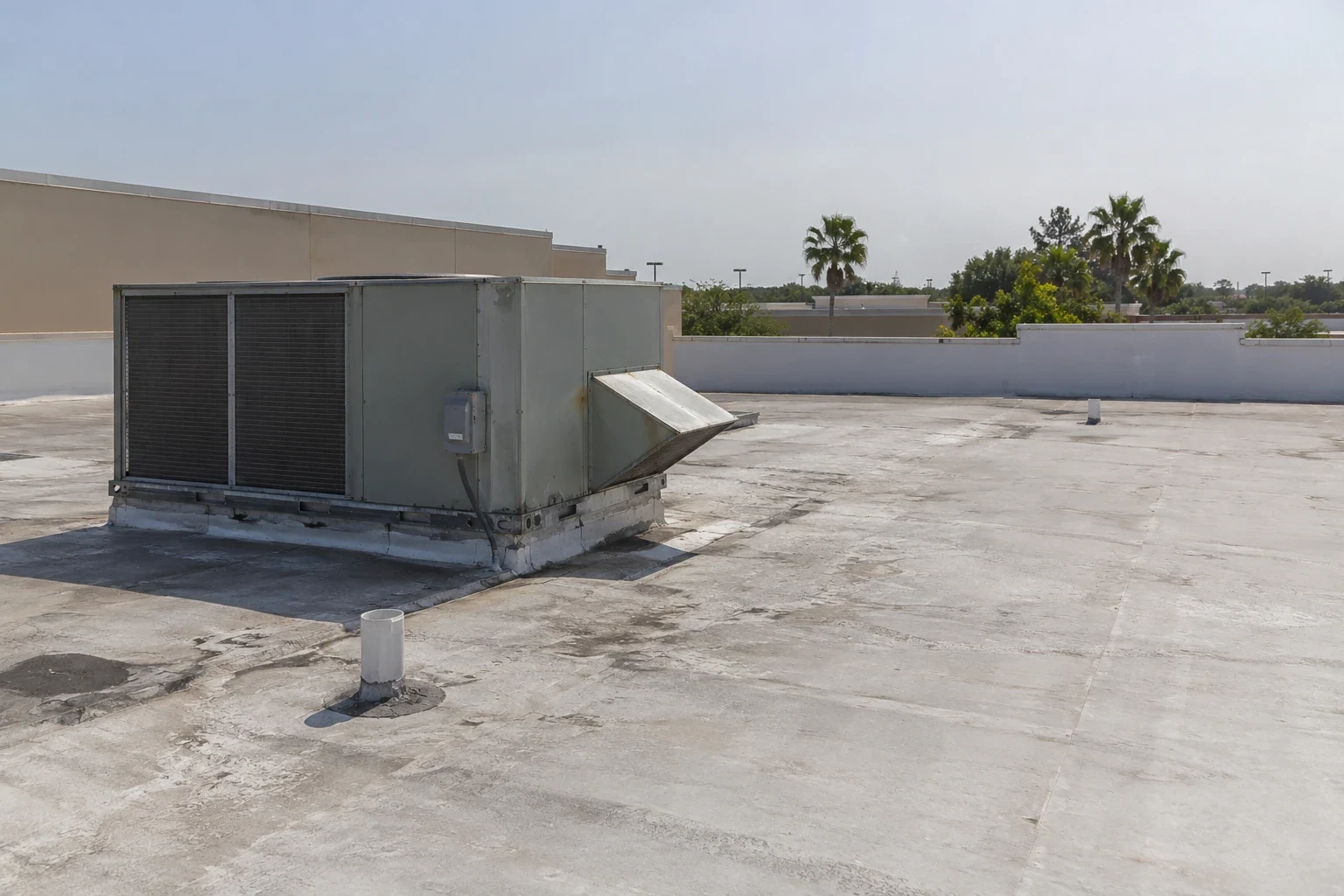
Big-Box Retail Roofing
Large-format retail roofs can combine extensive field areas with loading docks, rooftop mechanical equipment, parapets, signs, and additions built at different times. A broad roof area may make drainage and access planning central to a review, but size alone does not show whether a roof is failing. We start with the assembly and maintenance record, then map visible conditions to the appropriate roof zone. The resulting scope can separate localized service from larger capital work and note where access or operations limit observation. In College Station and Bryan, the regional commercial base includes retail and industrial property, yet each large-format building still needs its own roof history and field assessment. Use the same roof-zone labels on plans, photographs, and work orders so the next crew can locate a curb, drain, or transition without guesswork.
Coordinate work with deliveries
Receiving schedules, truck circulation, fire lanes, and rooftop access can shape when an inspection or repair is practical. Before mobilizing, confirm where lifts can stage, how the roof will be accessed, which doors or dock areas must remain clear, and who approves work near equipment or signage. We can divide a large roof into labeled zones so the property contact can connect a reported issue with a field observation. Where no direct access is available, the limitation should remain in the record instead of being filled with an assumption. A field review can then be sequenced around the operating requirements the manager identifies. Identify who can approve access near rooftop units and who will coordinate any equipment vendor; roofing personnel should not move or adjust systems outside the authorized scope. Keep equipment vendor contacts with the access plan.
Break a broad roof into inspectable zones
A large roof is easier to manage when each observation has a location, photo, and related detail. We review accessible seams, transitions, drains, penetrations, equipment curbs, edge metal, and previous repairs, then note whether further testing is needed. Interior reports are compared with the roof layout because water may travel laterally before it becomes visible. The commercial inspection process can establish this baseline and record its limits. If repeated service calls concern one zone, the history may help identify a pattern, but the cause should still be confirmed against current conditions. If a leak is reported over a dock, identify the bay, date, and active water status, then compare those details with nearby drains and roof transitions during the inspection.
Review drainage across the full footprint
Large roof fields can contain multiple slopes, sumps, drains, overflows, and discharge points. Maintenance staff should not assume that one visible inlet represents the performance of the whole roof. We document accessible drainage features, note ponding only where observed, and distinguish debris removal from repairs that require a qualified contractor. A scoped drain and scupper review can be paired with the overall assessment. The report should identify any area that could not be safely inspected and recommend a next step rather than infer how concealed drainage is configured. On an extensive roof, note the relationship among slope, drains, overflows, and low points instead of describing ponding as one undifferentiated condition.
Separate storm history from inspection findings
College Station observed an 85 mph gust during the June 3, 2023 severe thunderstorm. The Bryan and College Station area received 1 to 2.75 inch hail during the April 2021 severe storm. After a reported storm, owners can document affected roof zones and compare visible conditions with the repair scope for that building. A post-event review should note the date, observed conditions, photographs, affected zones, and any temporary measures. Repair recommendations should follow the field evidence, with testing or engineering input where the scope requires it. When additions or tenant changes altered the roof, retain earlier closeout notes and identify which area the new scope actually covers.
Compare repair and replacement alternatives
Large-format buildings may have single-ply membrane, built-up or modified systems, metal sections, and canopy interfaces. We identify visible materials and detail conditions before comparing repair, recover, coating, or replacement options. A standing-seam metal roof needs attention to panel laps, clips where accessible, penetrations, and transitions; a membrane scope has different details. A replacement plan should define tear-off assumptions, access, drainage corrections, and protection for adjacent operations. A coating is appropriate only when the existing substrate and condition support that system. Photographs taken after a reported storm should include a location reference and observation date so later comparisons do not rely on memory or weather headlines.
Use growth plans as portfolio context
College Station’s Midtown Business Park is planned for corporate, office, light industrial, manufacturing, and retail uses. Bryan has two distinct industrial settings in its economic-development inventory: the Brazos County Industrial Park and rail-served Texas Triangle Park. These properties add varied building and access needs to regional portfolios that may also include large-format stores. If an owner manages sites across both cities, coordinate visits by access readiness while keeping each roof’s system, work history, and operating hours in its own record.
For each retail property, confirm the receiving schedule, customer routes, equipment access, and staging area with the store contact. A regional visit plan can group nearby work, while the individual scope follows the roof plan and conditions found at that building.
Make the handoff usable
A closeout should map completed work to roof zones, include photographs, identify materials and repair locations, and state which items remain open. If store management changes, this record lets the next contact see what was observed and what was not. Link the report to the maintenance calendar, warranty documents if available, and the next safe access review. A shopping center roof and a distribution center roof may both need delivery coordination, while each building’s inspection findings and work boundaries stay tied to its own property. Owners with several sites in College Station can share the property list so we can coordinate visits while keeping each roof record separate. Before mobilization, confirm receiving hours, sales-floor access, and protection needs with the store contact; the approved plan should name any temporary route or customer notice.
When a building is large, an owner may need to compare current service work with phased renewal or full replacement. The comparison is useful only when it states the observed condition, scope boundaries, quantities or allowances, exclusions, and unresolved questions. We can organize a coating assessment or replacement discussion after confirming substrate compatibility and roof assembly. Do not treat a coating as a substitute for correcting active drainage or detail failures. Record the basis for each option and the next inspection point so the decision can be revisited with updated information rather than a blanket lifespan promise. A phased capital proposal should identify the next approval and records owner for each roof zone.
Commercial Roofing Questions
Does a large roof automatically need replacement?
No. A decision should follow the assembly, observed condition, repair history, drainage, and testing needed to define the scope.
Can an inspection be completed while the store is open?
The schedule depends on access, staging, equipment, and site rules. We can review those constraints with the property contact before confirming the visit.
How should a leak report be mapped?
Record the interior area, date, weather context, and any temporary action, then compare that information with accessible roof details.
Are roof coatings suitable for every retail roof?
No. Compatibility, substrate condition, drainage, and detail repairs need to be assessed before a coating is considered.
What should be included in a replacement comparison?
Document scope, assembly assumptions, access and staging needs, drainage work, exclusions, phasing, and unresolved conditions.
Review a large-format retail roof
Share the roof plan, access and delivery requirements, prior repairs, leak history, and preferred work windows. We can coordinate a field review and organize findings for your facilities team.
Related Roofing Work
Request a Roof Assessment
Tell us about the building, the roof and what you are seeing. We look at leaks, storm and wind damage, aging membranes and planned replacements on commercial properties across College Station, Bryan and Brazos County.