Flex Industrial Roofing in College Station, TX
Flex Industrial Roofing
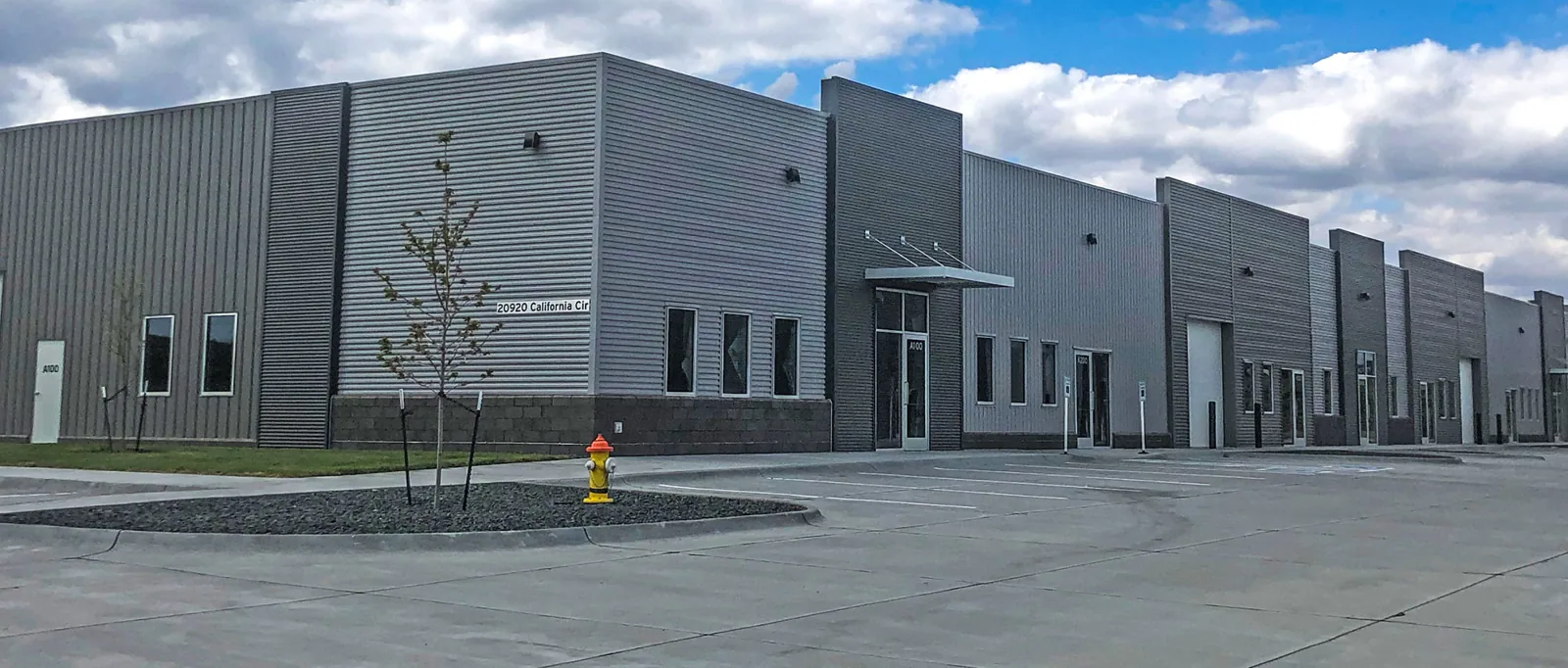
Flex industrial buildings combine office, light production, storage, and service uses under roof areas that may have different access requirements. A leak in a shop bay can affect a different operation than water near an office or shared corridor. We document roof zones, reported conditions, drainage, and repair history, then coordinate the inspection with the property manager and occupants. The College Station and Bryan market includes manufacturing and rail-served industrial property alongside offices, research, and retail. A useful roof plan has to reflect each building's actual use and assembly rather than a generic industrial label.
Map tenants, shop areas, and access responsibilities
Before scheduling, we confirm which party can authorize roof access, how occupant notices are handled, and whether service bays or delivery areas have restricted hours. The property manager can identify where tenant activity changes through the day and which routes need to stay open. Those details help us arrange staging and inspect a reported area without making assumptions about who controls each space.
If a building has several suites, we record reported leaks by unit, date, and interior location. We compare those reports with roof geometry, accessible seams, penetrations, curbs, and drains. Separate reports should remain separate until the field evidence connects them. A roof condition report can retain observations and open questions for both the manager and maintenance contact.
Before setting the sequence, identify which tenant can authorize work near its equipment, who receives schedule changes, and which roof sections serve shared space. These contacts help keep a work notice useful without giving one tenant control over a separate roof area. The manager can keep a single phase log while retaining each building's findings under its own asset record.
Where the owner controls several suites, a short responsibility list can keep repair notices, roof access, and after-hours questions with the right contact. We can organize findings by unit or roof zone without exposing one tenant's information to another.
Identify changes between roof areas
Flex properties can contain office fronts, warehouse bays, shop areas, and later additions. Those sections may have different heights, roof assemblies, equipment, or prior repairs. We note transitions and inspect accessible seams, flashing, perimeter metal, penetrations, and drainage, keeping each finding tied to the zone where it appears.
A distribution center or warehouse may share some roof-planning needs, but the mix of office and shop activity can change access and sequencing. If one portion has a different membrane or metal detail, we document that boundary before recommending a repair or tie-in. This makes later comparison more useful than a single property-wide condition label.
Trace water reports through drainage details
Drains, scuppers, gutters, curbs, and edge conditions can affect where water moves across a roof. We record visible conditions near reported leaks and note whether water appears to be collecting around an inlet or transition. A ceiling mark may be offset from the entry point, so we compare the interior report with the roof geometry before defining a repair area.
Where drainage is the primary concern, a focused drain and scupper review can identify what is visible and whether testing or further access is needed. We also note any section that could not be inspected. That gives the property manager a clear basis for coordinating another visit with occupants and maintenance staff.
Use local weather history for inspection planning
A Bryan and College Station storm report dated April 8, 2021 records hail from 1 inch to 2.75 inches. If you are reviewing a flex property after a separate storm, preserve current photos and identify the suite or production bay tied to the concern. College Station’s 1991 to 2020 July normals list a 95.4°F mean daily high, with normal highs of 94°F near the beginning and 97°F at month-end. During hot weather, confirm the crew window and tenant activity with the property contact before setting roof access. We document visible conditions and note any area that needs a closer review.
Choose repairs based on the installed system
Flex properties often join roof sections built for different phases of occupancy. We map suite lines, elevation changes, panel-to-membrane transitions, and additions before grouping repairs, since a detail on one assembly may not apply to the next. A standing seam metal system and a TPO assembly use different transition details. An adjoining office building also deserves its own condition record. The owner receives options tied to the zone and material observed, with open questions called out separately so tenant schedules and capital decisions are based on comparable scope.
Where tenant turnover changes the building’s use, record the handoff date and current operator alongside new service requests. That timeline helps the manager distinguish a recently reported symptom from an older repair history. It also gives the owner a practical list of items to verify during suite changes, such as who controls roof access and whether rooftop equipment has been altered.
Coordinate work across occupants and operating zones
Start the sequence with the owner’s tenant contact list and a roof map divided into work areas. For each area, identify the occupant who needs notice, the delivery or production period to avoid, and any rooftop equipment that must remain available. The manager can then select an order that keeps unrelated suites operating while crews address one defined section. Before work begins, confirm where materials may be staged, which doors or loading approaches must stay clear, and who communicates a same-day change. Closeout should mark each completed zone, note any temporary condition awaiting follow-up, and identify the next area only after the responsible contact accepts the handoff. That zone-by-zone record helps a multi-tenant owner connect later reports to the correct phase. At the end of each shift, the manager can confirm which access points are clear, whether any temporary protection remains, and which occupant should receive the next update. Keeping those details with the work log makes a handoff easier when property or maintenance contacts change.
Coordinate access across the Bryan and College Station area
The Bryan and College Station economy includes education-linked research, health science, offices, shops, hospitality, manufacturing, and rail-served industry. For an occupied flex property, confirm tenant contacts and active work areas before scheduling a roof visit.
FM 2818 meets SH 6 at its northern and southern ends along a roughly 20-mile route, connecting destinations across the urban area. When arranging service in College Station, share the property's entry point, roof-access procedure, and repair history so we can plan around current operations. A service-oriented retail property in the same portfolio should keep its own access plan and condition record.
Commercial Roofing Questions
Who should coordinate roof access at a flex property?
The owner or property manager can identify the person authorized to approve access and coordinate tenant notices, work hours, and staging. We confirm that contact and any site-specific procedures before scheduling.
Can you inspect a roof with multiple suites?
Yes. We record reported conditions by unit and roof zone, then compare them with accessible details. Separate reports remain distinct unless the inspection identifies a shared condition.
What if office and shop areas have different roof systems?
We document assemblies and transitions separately. The repair or replacement recommendation should reflect the material, attachment, drainage, and condition of each section.
How do you plan work while tenants are operating?
We coordinate staging, access, work zones, and communication with the property manager. A phased sequence can account for areas that need to remain open while work proceeds elsewhere.
What should the roof closeout include?
Closeout can identify reviewed zones, photographs, completed work, unresolved details, access limits, and follow-up recommendations. Those notes help the manager connect later reports with the current condition record.
Plan a flex industrial roof inspection
Share roof plans, tenant access procedures, leak history, and operating hours. We can coordinate a College Station or Bryan review with the property manager and document a practical next step.
Related Roofing Work
Request a Roof Assessment
Tell us about the building, the roof and what you are seeing. We look at leaks, storm and wind damage, aging membranes and planned replacements on commercial properties across College Station, Bryan and Brazos County.